
5 Key Benefits Of Combining General And Implant Dentistry
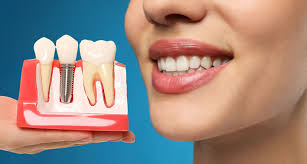
You may feel torn between fixing daily dental problems and planning for long term tooth replacement. That split can cause delay, pain, and rising costs. When you combine general care and implant treatment under one roof, you protect your mouth and your budget at the same time. Regular checkups, cleanings, and fillings keep your teeth and gums strong. At the same time, careful planning for dental implants replaces missing teeth and restores your bite. This joined approach lets one trusted team track your full health story, spot risks early, and guide each step. It also cuts confusion between offices and reduces repeat visits. If you are thinking about dental implants in Chinatown, Lower Manhattan, learning how these two services work together can calm fear and give you clear direction. The following five benefits show how this simple choice can protect your smile and your peace of mind.
1. One team understands your whole mouth
When one office handles cleanings, fillings, and implants, your records stay in one place. Your dentist knows your full story. That includes past cavities, gum problems, health conditions, and medicines.
This close view helps your dentist:
- See early signs of bone loss or gum disease that affect implant success
- Plan the right time for implant steps based on healing and work or school needs
- Match implant crowns to the color and shape of your natural teeth
The National Institute of Dental and Craniofacial Research explains that healthy gums and bone support long-term implant success. A dentist who already watches your routine health can respond fast when something changes.
2. Problems get caught early and treated fast
General visits do more than clean your teeth. They act like regular safety checks for your implants and the rest of your mouth. Each visit gives your dentist a chance to spot small changes before they turn into emergencies.
During a combined visit, your dentist can:
- Check your bite and adjust your implant crown if needed
- Watch for early gum swelling around implants and natural teeth
- Review brushing and flossing habits that protect both
Early care prevents painful infections, broken teeth, and costly repairs. You avoid the rush of finding a new office when something hurts.
3. Fewer visits and clearer plans for busy families
Life with work, school, and child care leaves little time. Keeping general and implant care in one office cuts travel, time off, and confusion.
In many cases, a combined office can:
- Schedule cleanings and implant checks on the same day
- Group imaging, such as X-rays, instead of repeating them
- Offer shared visits for parents and children when possible
Here is a simple comparison to show how this can affect your month.
| Care setup | Average visits in 6 months | Offices involved | Chance of repeated X rays |
|---|---|---|---|
| Separate general and implant offices | 6 or more | 2 to 3 | High |
| Combined general and implant office | 3 to 4 | 1 | Lower |
Numbers can vary, yet the pattern is clear. Fewer offices mean less stress and fewer chances for mixed messages.
4. Stronger long-term health and lower costs
Implants cost money and time. You want them to last. General care supports that goal. When you keep gums clean and control decay in nearby teeth, you protect the bone that holds your implants.
A joined office can:
- Set a cleaning schedule that matches your risks
- Use one long term plan that weighs costs for fillings, crowns, and implants together
- Help you spread treatment over time so your budget can handle it
The Centers for Disease Control and Prevention notes that untreated gum disease and decay can lead to tooth loss. When your dentist treats these problems early, you protect your current teeth and any implants you receive.
5. Less fear and more control for you
Dental fear is common. Meeting new providers over and over can make that fear worse. When you work with one steady team, trust grows. You know the faces. They know your worries, triggers, and goals.
Combined care can help you feel more in control because you can:
- Ask all your questions about cleanings and implants in one visit
- Review step by step plans with one dentist instead of many
- Bring family members to support you during longer visits
This steady support can help you keep appointments and finish treatment. You face fewer unknowns. That peace can matter as much as the new teeth themselves.
How to decide if combined care is right for you
Ask yourself three simple questions.
- Do you need both routine care and tooth replacement
- Do you want fewer offices and clearer plans
- Do you value long-term trust with one team
If you answer yes to even one, combining general and implant dentistry may fit you. You still have choices. You can meet the dentist, ask about training, and request a clear written plan that covers both routine and implant steps.
Take the next simple step
You do not need to choose between today’s pain and tomorrow’s smile. When you link general and implant care, you protect both. You save time. You cut stress. You give your mouth a strong base for every meal, word, and laugh.
If you are ready, start with a routine exam. Share your history, your fears, and your hopes for your teeth. Then ask how one joined plan can guide you from cleaning to implant and beyond. Your future comfort starts with that first honest talk.