
Freight Deconsolidation Services – Turning Bulk Shipments into Controlled Local Distribution
Freight Deconsolidation Services
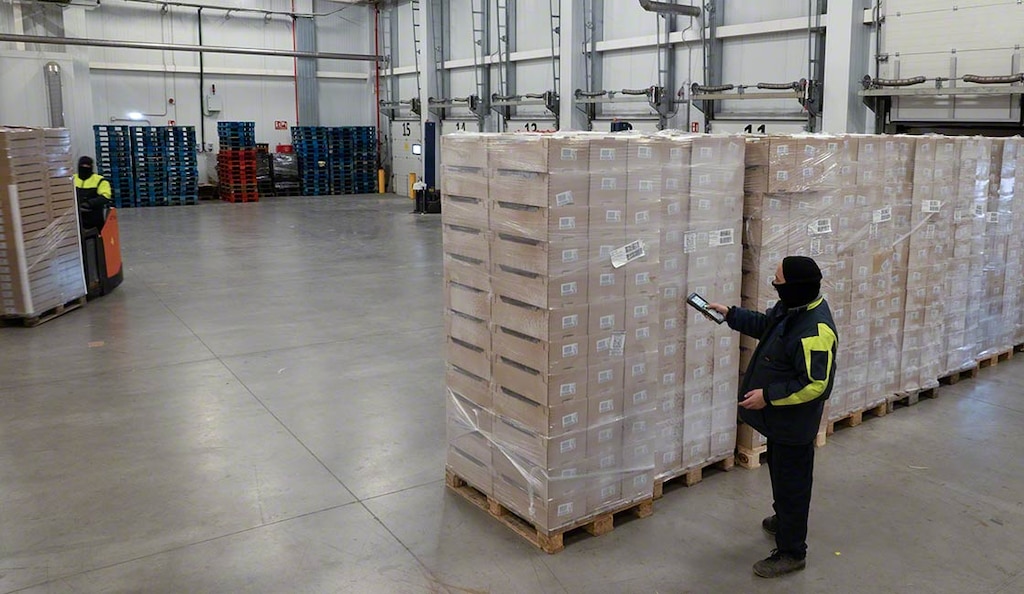
Freight Deconsolidation Services play a critical role when cargo arrives in bulk but must be delivered in smaller, destination-specific shipments. Instead of storing freight long term or sending full truckloads to a single consignee, deconsolidation breaks inbound freight into precisely routed outbound orders. This process allows businesses to maintain speed, accuracy, and cost control across regional and last-mile distribution.
For importers, retailers, and B2B distributors, Freight Deconsolidation Services are not an optional add-on. They are a structural component of efficient distribution networks that operate across multiple cities, customers, or retail locations.
What Freight Deconsolidation Services Mean in Real Logistics Operations
At an operational level, Freight Deconsolidation Services begin when a full container or truckload arrives at a hub. The cargo is unloaded, verified, sorted, and prepared for immediate outbound movement rather than long-term storage.
This model is commonly used when:
• One inbound shipment serves multiple final destinations
• Inventory must move quickly after port or rail arrival
• Delivery windows vary by customer or region
Instead of forcing freight into static warehouse inventory, deconsolidation keeps goods flowing and aligned with demand.
How Freight Deconsolidation Services Work at Distribution Hubs
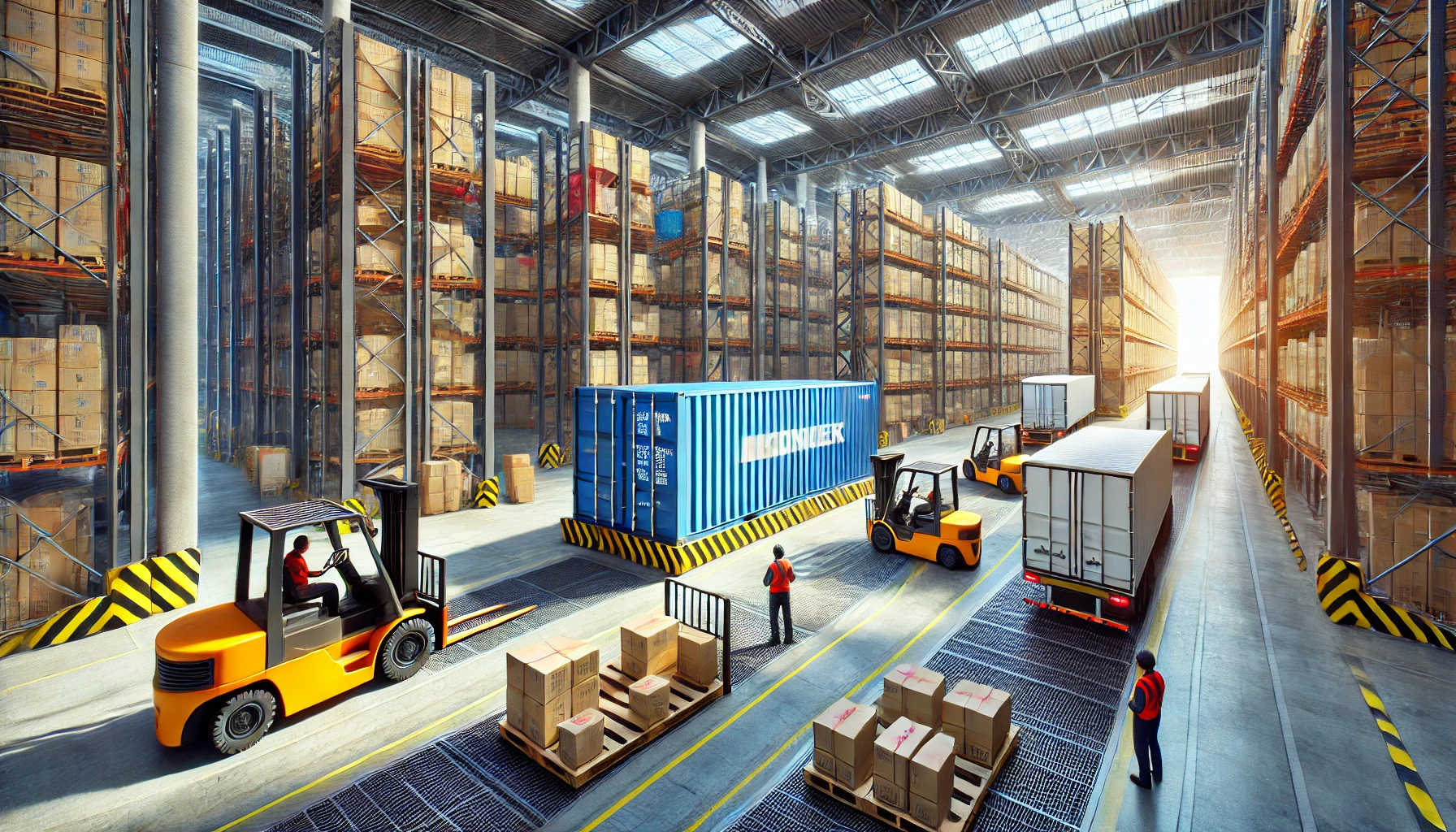
Effective Freight Deconsolidation Services rely on purpose-built hubs designed for speed and accuracy. Inbound freight is received, checked against documentation, and separated by destination or delivery route.
Typical hub operations include:
• Container or FTL unloading
• Sorting by route, customer, or delivery zone
• Preparation for local or regional outbound trucks
This structure minimizes dwell time and ensures that cargo moves forward without unnecessary handling or delays.
Operational Benefits of Freight Deconsolidation Services
The operational impact of Freight Deconsolidation Services goes beyond simple freight splitting. When executed correctly, deconsolidation improves control and reduces friction across the entire distribution chain.
Key advantages include:
• Faster last-mile delivery execution
• Reduced congestion at final delivery points
• Higher order accuracy and fewer delivery errors
Businesses gain predictable workflows instead of reactive problem-solving.
Freight Deconsolidation Services vs Traditional Warehousing
Traditional warehousing focuses on storage. Freight Deconsolidation Services focus on movement. This distinction has a direct impact on cost structure and service speed.
Compared to static storage, deconsolidation offers:
• Shorter dwell times
• Lower inventory holding costs
• Faster conversion from inbound to outbound freight
For time-sensitive goods or high-turnover inventory, deconsolidation consistently outperforms conventional warehousing models.
When Freight Deconsolidation Services Deliver Maximum Value
Not every shipment requires deconsolidation, but in the right scenarios the value is immediate and measurable.
High-impact use cases include:
• Imported goods distributed across multiple states
• Retail replenishment for store networks
• B2B deliveries with varied delivery schedules
In these environments, Freight Deconsolidation Services align transportation, labor, and delivery planning into a single controlled process.
Visibility, Control, and Technology in Freight Deconsolidation Services
Modern Freight Deconsolidation Services depend on visibility. Without accurate tracking and status updates, breaking down freight can create confusion instead of efficiency.
Advanced operators provide:
• Inbound and outbound shipment visibility
• Load-level documentation and photos
• Clear delivery status by destination
Platforms like Freitty combine operational execution with digital transparency, allowing businesses to deconsolidate freight without losing control over timelines or accountability.
Why Businesses Rely on Flexible Deconsolidation Partners
Flexibility is critical when volumes change weekly or when delivery patterns shift. Businesses increasingly choose partners that offer standardized deconsolidation processes across multiple hubs and regions.
Through Freitty.com, companies gain access to scalable Freight Deconsolidation Services that adapt to real operational demand rather than forcing rigid distribution models.
Scaling Distribution Networks with Freight Deconsolidation Services
As distribution networks expand, complexity increases. Freight Deconsolidation Services allow companies to scale without multiplying routes, carriers, or internal coordination overhead.
By centralizing inbound freight and decentralizing outbound delivery, businesses maintain speed while reducing operational strain. This balance is why Freight Deconsolidation Services have become a strategic distribution tool rather than a tactical workaround.
Conclusion: Freight Deconsolidation Services as a Strategic Distribution Tool
Freight Deconsolidation Services enable businesses to move bulk freight with precision, speed, and cost discipline. They reduce friction between inbound supply and outbound demand while supporting scalable distribution growth. Companies that invest in structured deconsolidation gain resilience, flexibility, and long-term efficiency, especially when working with experienced partners like Freitty.
