
How Pediatric Dentistry Prepares Kids For Orthodontic Treatment
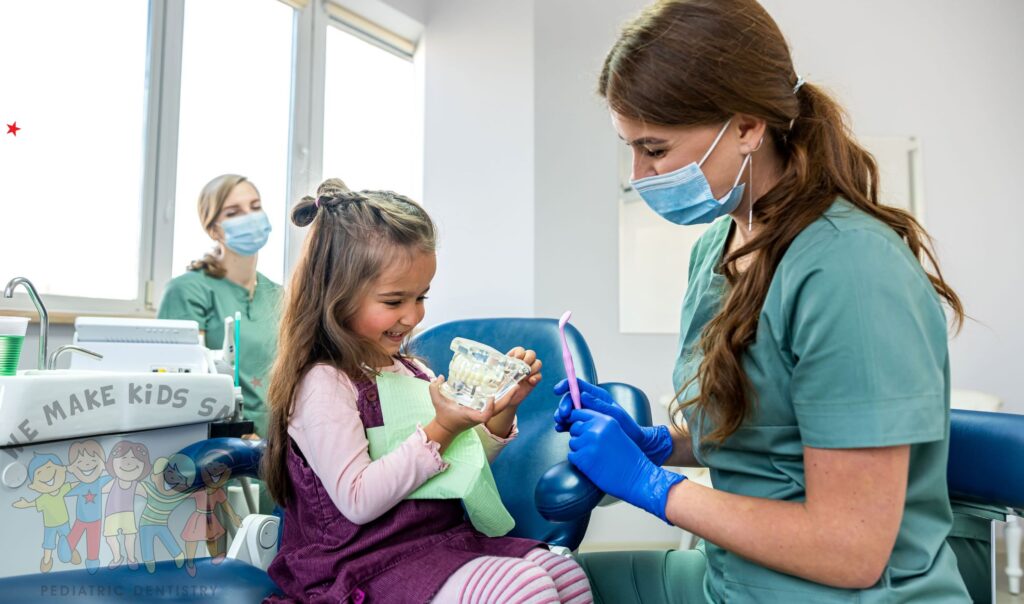
Orthodontic treatment can feel scary for a child. Braces. X-rays. Strange tools. You want your child ready, calm, and safe. That preparation starts much earlier in the pediatric dental chair. Regular visits teach your child to trust, sit still, and speak up about pain. A La Canada Flintridge dentist can spot crowding, bite problems, and habits like thumb sucking long before they cause damage. Early cleanings keep gums strong and teeth healthy. That makes future orthodontic work smoother and shorter. Pediatric care also helps you understand timing. You learn when to watch, when to act, and when to wait. You get clear steps instead of guesswork. With the right start, your child walks into that first orthodontic visit with confidence, not fear. This blog shows how early dental care shapes that path.
Why Early Dental Visits Matter For Braces Later
You help your child most when you start early. The American Dental Association explains that the first dental visit should happen by age 1 or within 6 months of the first tooth. That first visit starts a record of your child’s mouth. Each visit adds more detail. Over time, the dentist sees growth, changes, and warning signs.
These early years shape how your child feels about all dental care. When the dentist is gentle and clear, your child learns that people can work in their mouth without harm. That trust carries into orthodontic visits. Your child already knows the chair, the light, and the sounds. So fear has less power.
How Pediatric Dentists Spot Orthodontic Problems Early
Pediatric dentists watch growth. They see baby teeth fall out and adult teeth move in. They also watch how the jaws line up. They look for three common problems.
- Crowding when teeth fight for space
- Overbite when top teeth stick out far
- Underbite when lower teeth sit in front
They also check habits that push teeth out of line. Thumb sucking. Tongue thrust. Long-term bottle or pacifier use. The dentist can guide you on how to stop these habits. That small change can reduce how much orthodontic work your child needs later.
The American Association of Orthodontists recommends a first orthodontic checkup by age 7. You can see their guidance at the University of Rochester Medical Center resource on early orthodontic work here: URMC Orthodontics for Children. Pediatric dentists often suggest this visit at the right time because they know your child’s growth pattern.
Behavior Skills That Make Braces Easier
Pediatric visits teach behavior that braces demand. Braces need steady care. Your child must sit still, follow the steps, and handle short discomfort. These skills grow over time in three ways.
- Your child learns to keep the mouth open on request.
- Your child learns to breathe and relax during longer work.
- Your child learns to tell the truth about pain and fear.
Each cleaning and exam gives practice. So by the time your child meets the orthodontist, the process feels normal. This lowers stress for your child and for you.
Healthy Mouths Respond Better To Braces
Healthy teeth and gums move in a safer way with braces. Infection or decay can slow treatment and cause harm. Pediatric care keeps the mouth ready. Fluoride, sealants, and cleanings lower the risk of cavities. Gum checks catch swelling early.
Here is a simple comparison of children who keep routine pediatric visits and those who do not before braces.
| Factor Before Braces | With Routine Pediatric Care | Without Routine Pediatric Care |
|---|---|---|
| Cavity risk at start of treatment | Lower | Higher |
| Gum health | More stable | Less stable |
| Chance of treatment delays | Fewer delays | More delays |
| Comfort with dental visits | More comfort | Less comfort |
| Length of some treatments | Often shorter | Often longer |
This table does not replace advice from your child’s providers. It shows common patterns that many dentists and orthodontists see in daily work.
How Pediatric Dentists Help You With Timing
You face many questions. When should your child start wearing braces? Will early treatment help? Should you wait? Pediatric dentists guide these choices. They track jaw growth. They know which teeth should be in place at each age. They also see how quickly your child loses baby teeth.
With that insight, they often suggest three paths.
- Watch and wait when growth may fix a small issue.
- Start early orthodontic steps when a problem blocks normal growth.
- Delay braces until more adult teeth appear.
This plan protects your child from rushed treatment. It also preventslong-termg harm from waiting too long.
Building Strong Daily Habits Before Braces
Braces make cleaning harder. Food sticks. Plaque grows fast. If your child already has strong brushing and flossing habits, braces feel less harsh. Pediatric dentists train your child in three key habits.
- Brushing twice a day with fluoride toothpaste.
- Cleaning between teeth with floss or small tools.
- Rinsing after snacks and sweet drinks.
They also talk about food. Sticky candy, hard snacks, and constant sipping of juice or soda can hurt teeth. When your child hears this message often, it sinks in. Then, when the orthodontist adds new rules for braces, your child already knows how to adjust.
Emotional Support For You And Your Child
Fear of pain and loss of control can crush a child’s courage. Pediatric dentists use simple words and clear steps. They show tools before using them. They let your child ask questions. They praise small wins such as sitting still for a few minutes. These moments build strength.
You also gain support. You learn how to explain treatment at home. You learn which signs need a call to the office. You hear honest information about costs, time, and likely results. This shared plan calms worry and builds trust.
Taking The Next Step
Pediatric dentistry and orthodontics work as a team. Early visits shape healthy teeth. They also shape courage, trust, and strong habits. When it is time for braces, your child is not walking into the unknown. Your child is taking the next step in a path that already feels familiar and safe.
You can start by keeping regular pediatric visits, asking about growth, and writing down your questions. With that steady care, you give your child a strong mouth and a steady mind for every stage of treatment.