
Hair Transplant Surgery: What You Need to Know
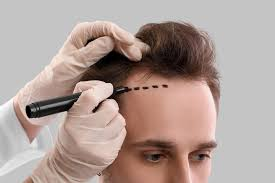
Table of Contents
- Understanding Hair Transplant Surgery
- Who Is a Good Candidate?
- Costs Associated with Hair Transplant Surgery
- Recovery Process Post-Surgery
- Potential Risks and Complications
- Finding the Right Clinic
Experiencing hair loss can significantly impact your self-esteem and daily confidence, which is why more people are exploring permanent solutions like hair transplant surgery. When considering a hair transplant clinic McLean, it is important to fully understand what to expect from the procedure, recovery, and outcomes. This comprehensive guide breaks down everything you need to know to make an informed decision about hair restoration.
Hair transplant surgery has advanced, offering natural results with minimally invasive techniques. It’s about regaining hair and confidence. Success depends on proper research, realistic expectations, and skilled professionals. Many seek transplant for effectiveness and lasting results, with planning and aftercare vital. Understanding each step helps in choosing what’s right. Whether in early hair loss stages or after failed treatments, learning about procedures aids decision-making. This article covers types, candidacy, costs, recovery, risks, and choosing a reputable specialist.
Understanding Hair Transplant Surgery
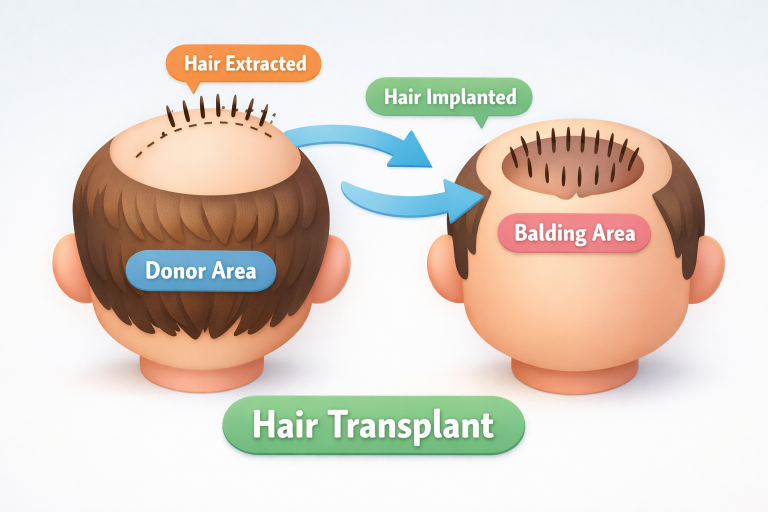
Hair transplant surgery is designed to redistribute healthy hair follicles from areas with sufficient growth, commonly the back or sides of the scalp, to those affected by thinning or baldness. This method permanently restores hair to areas of loss by leveraging your natural hair growth cycles.
Types of Hair Transplant Surgery
- Follicular Unit Transplantation (FUT): In this method, a strip of scalp containing healthy hair is removed from the donor area. The strip is then meticulously dissected under a microscope into small follicular units, which are implanted into the balding area. FUT can often yield a fuller look with fewer sessions, especially for those with significant hair loss.
- Follicular Unit Extraction (FUE): In FUE, each individual follicle is extracted directly from the scalp using specialized tools before being implanted. FUE leaves minimal scarring and has a shorter healing period, making it a popular choice for many patients.
The selection of technique depends on factors such as the degree of hair loss, hair characteristics, and your desired outcomes. A skilled surgeon will recommend the most suitable method based on these factors and your personal expectations.
Who Is a Good Candidate?
Not all individuals experiencing hair loss qualify for hair transplant surgery. Candidates who are most likely to benefit typically exhibit clear and stable hair loss patterns, such as male or female pattern baldness, possess adequate scalp donor density, maintain realistic expectations regarding outcomes, and have good overall physical and scalp health to facilitate healing and promote growth after surgery. It is crucial to consult with a qualified dermatologist or a board-certified hair restoration surgeon to evaluate overall health, hair condition, and the probability of a successful surgical outcome. For additional guidance on assessing candidacy, the American Society of Plastic Surgeons offers resources.
Costs Associated with Hair Transplant Surgery
Cost is a significant factor in deciding to undergo a hair transplant, which can vary considerably based on several factors: the severity of hair loss, the number of grafts required, the chosen technique (FUT or FUE), the surgeon’s experience and reputation, and the clinic’s location. Typically, procedures can cost between $4,000 and $15,000, and these expenses are generally not covered by insurance as hair restoration is classified as cosmetic. It is advisable to request a detailed cost breakdown during the consultation to understand what the quoted fee includes.
Recovery Process Post-Surgery
After your hair transplant, the recovery phase is critical to achieving the best possible results. Patients frequently experience some degree of scalp tenderness, mild swelling, and temporary scabbing at the donor and recipient sites. Post-operative instructions may include gentle washing, prescription medications, and avoiding strenuous activity for several days.
Expected Timeline for Recovery and Results
- Most patients can return to work within three to five days.
- Scabbing and redness typically resolve within one to two weeks.
- Transplanted hair may fall out initially, with new hair growth usually visible after six to nine months.
- Final results often take up to a year to fully develop.
If you have concerns about aftercare or recovery, refer to reputable health information from the Healthline guide on hair transplants for additional insights.
Potential Risks and Complications
Like all surgical interventions, hair transplants carry some risks. These may include infection, bleeding, scarring, and, in rare cases, suboptimal results such as uneven or unnatural hair growth. Awareness of these risks and adherence to all post-surgical care guidelines are crucial to minimizing complications.
Choosing an experienced hair restoration surgeon significantly reduces the risk of undesirable outcomes and ensures your procedure is performed safely.
Finding the Right Clinic
Selecting the right clinic is crucial for a successful hair restoration journey. Key factors to consider include the surgeon’s board certification, experience, and specialization in hair transplantation, as well as before-and-after galleries showcasing previous patient results and patient reviews that reflect the clinic’s reliability. A face-to-face consultation is recommended to understand the surgeon’s approach and establish realistic expectations for the treatment plan. Hair transplant surgery not only addresses hair loss but also aims to restore the patient’s sense of well-being and self-assurance. By comprehensively understanding the procedures and selecting a qualified clinic, individuals can proceed confidently with their hair restoration efforts.
Conclusion
In conclusion, hair transplant surgery offers a permanent and effective solution for those experiencing hair loss, restoring both appearance and confidence. By understanding the differences between FUT and FUE techniques, carefully evaluating candidacy, considering costs, and adhering to proper post-operative care, patients can maximize their chances of achieving natural, lasting results. Awareness of potential risks and the selection of a qualified, experienced surgeon are critical to a successful outcome. Ultimately, thorough research and thoughtful planning ensure that hair restoration not only addresses cosmetic concerns but also enhances overall well-being and self-esteem.