
Understanding Minnesota’s Harassment Restraining Order vs. Order for Protection
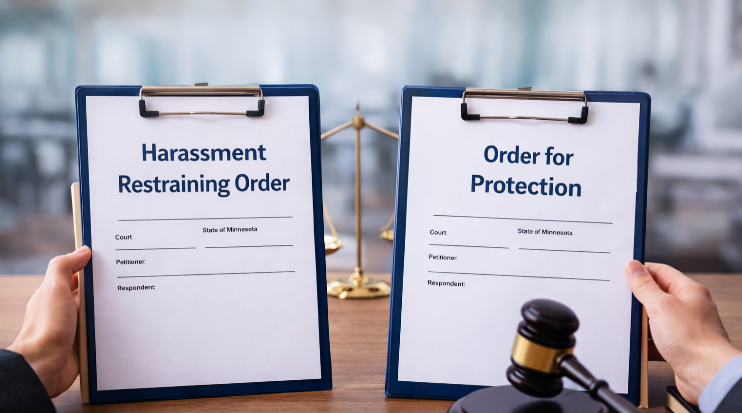
Legal protections such as restraining orders are designed to provide safety and prevent harmful interactions, but understanding the differences between them is essential. In Minnesota, two commonly used legal tools are harassment restraining orders and orders for protection, each serving a distinct purpose. Individuals facing these situations often seek guidance to navigate the legal process effectively. When consulting a criminal defense lawyer in Minneapolis, it becomes clear that choosing the correct type of order depends on the nature of the situation and the relationship between the parties involved. These legal measures are not interchangeable, and understanding their differences can significantly impact outcomes.
What Is a Harassment Restraining Order
A harassment restraining order is designed to protect individuals from unwanted or repeated behavior that causes distress or fear. This type of order does not require a specific relationship between the parties, making it applicable in a wide range of situations. Harassment may include repeated contact, threats, or actions that interfere with a person’s peace of mind. The court evaluates whether the behavior meets the legal definition of harassment before granting the order. These orders can impose restrictions such as no contact or maintaining a certain distance.
What Is an Order for Protection
An order for protection is typically used in situations involving domestic relationships where abuse or threats of harm are present. This includes relationships such as spouses, family members, or individuals who share a household. The purpose of this order is to provide immediate protection from physical harm or credible threats. Courts often act quickly in these cases to ensure safety, issuing temporary orders before a full hearing. An order for protection can include provisions related to custody, residence, and communication restrictions. These measures are more specific to domestic situations and are designed to address serious safety concerns.
Key Differences Between the Two Orders
While both types of orders aim to protect individuals, the key difference lies in the nature of the relationship and the type of behavior involved. Harassment restraining orders apply broadly and can be used in cases without a personal or domestic connection. In contrast, orders for protection are limited to situations involving domestic relationships and allegations of abuse. The legal standards and procedures for obtaining each order also differ. Understanding these distinctions is essential for determining the appropriate course of action.
Legal Process and Evidence Considerations
The process of obtaining either type of order involves presenting evidence to support the petitioner’s claims. Courts require clear documentation of incidents, communication, or behavior that justifies the request for protection. Understanding how a criminal defense lawyer challenges evidence in a case highlights the importance of thorough preparation and accurate representation. Legal professionals analyze evidence to ensure that it meets the required standards and that all relevant details are considered. This process plays a critical role in determining whether an order is granted or denied.
Importance of Professional Legal Guidance
Navigating the legal system can be complex, especially when dealing with protective orders that carry significant consequences. Professional legal guidance ensures that individuals understand their rights and responsibilities throughout the process. Attorneys provide support in preparing documentation, presenting evidence, and representing clients in court. Their expertise helps ensure that cases are handled effectively and in accordance with the law. Whether seeking protection or responding to a petition, having professional assistance is essential for achieving a fair outcome.
Conclusion
Understanding the differences between a harassment restraining order and an order for protection is essential for making informed legal decisions in Minnesota. Each serves a specific purpose and applies to different circumstances, making it important to choose the appropriate option based on the situation. With the guidance of experienced legal professionals, individuals can navigate the process more effectively and ensure that their rights are protected. Clear knowledge of these legal tools supports better outcomes and helps maintain safety and fairness in challenging situations.