
The Role Of Preventive Visits In Protecting Generational Smiles
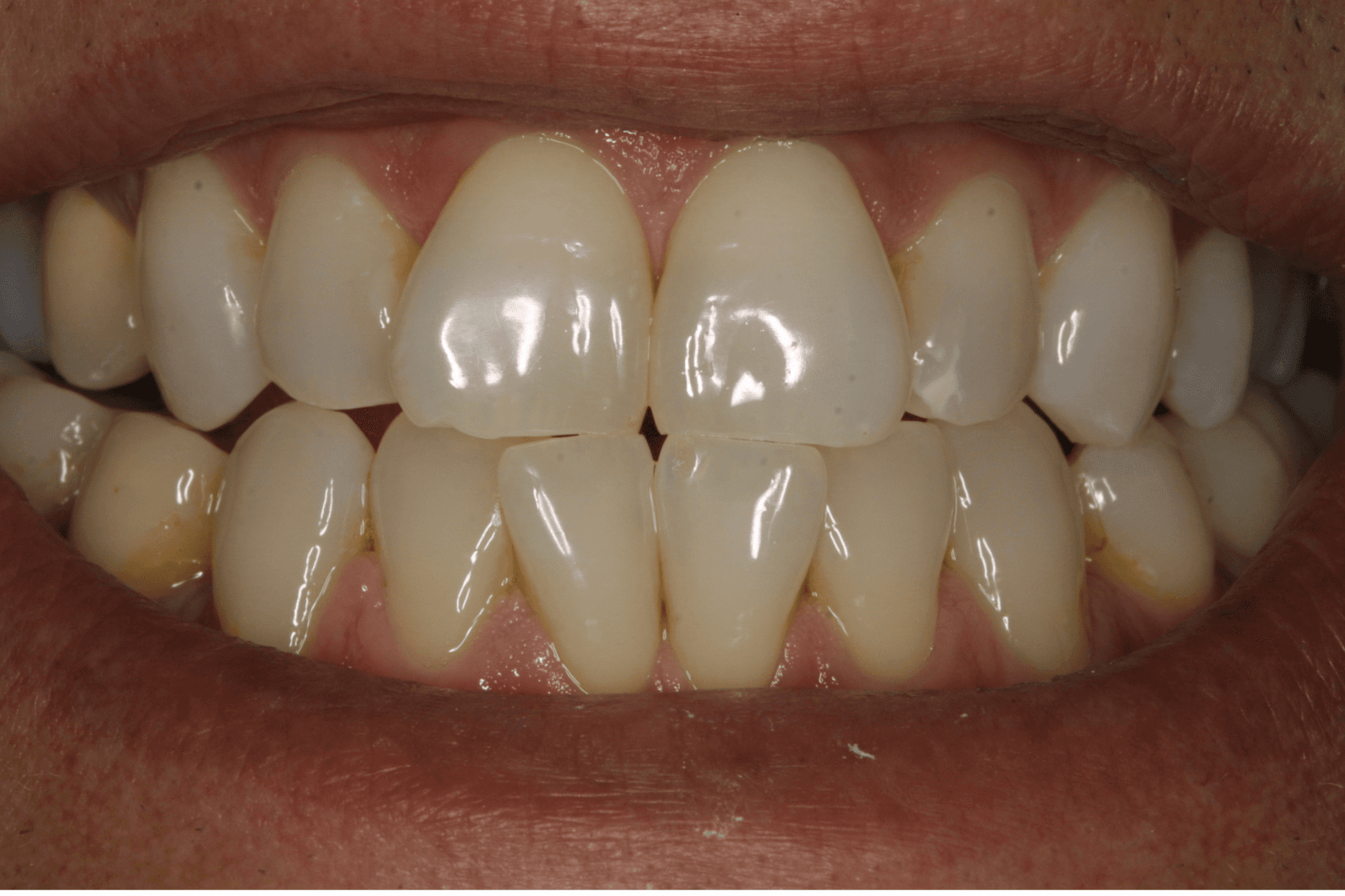
Your smile carries family stories. A grandparent’s laugh. A child’s first loose tooth. Preventive visits protect those stories. They do more than fix problems. They stop small issues before they turn into pain, cost, or loss. During a routine visit, your Garden Grove dentist checks for early signs of decay, gum disease, and wear. You learn simple steps that protect your teeth at home. You also gain a plan that fits your age, health, and daily habits. This matters for you. It also matters for your children and grandchildren. Strong teeth support clear speech, steady eating, and steady confidence. Regular checkups help you keep those strengths through every stage of life. When you show up early and often, you give your family a better chance at healthy smiles that last across generations.
Why preventive visits matter for every generation
Tooth decay is common. The Centers for Disease Control and Prevention reports that more than half of children ages 6 to 8 have had a cavity in a baby tooth. Many adults have untreated decay. Decay grows in silence. You may feel fine while damage spreads under the surface.
Preventive visits help you break that pattern. The visit gives you three things.
- Early spotting of trouble before it hurts
- Thorough cleaning that removes buildup you miss at home
- Clear guidance you can follow every day
That mix helps you protect your own mouth. It also shapes what your children see as normal care. Your choices today teach the next generation how to guard their health.
What happens during a preventive visit
A routine visit is simple. It is also powerful for long-term health. You can expect three basic steps.
- Review and talk. You share changes in your health, medicines, and habits. You also share any tooth or jaw pain. This helps tailor your care.
- Exam and possible X rays. The dentist checks each tooth, your gums, and your bite. They may use X-rays to see between teeth or under old fillings.
- Professional cleaning. A hygienist removes plaque and tartar. They polish your teeth and may apply fluoride if needed.
Each step lowers your risk of decay and gum disease. The visit also gives you time to ask questions. You can ask about brushing for a toddler, dry mouth from a new medicine, or tooth wear from grinding. Clear answers help you act early instead of waiting for pain.
How often you and your family should go
Most people need a visit every six months. Some people need more visits each year. That includes people who smoke, live with diabetes, or already have gum disease. Children need regular visits once the first tooth comes in or by the first birthday. The American Dental Association shares simple guidance on visit timing.
The table below shows a simple comparison of common schedules.
| Age group | Typical visit schedule | Main goals |
|---|---|---|
| Young children (1 to 5) | Every 6 months | Build trust, teach brushing, watch growth |
| School-age children (6 to 12) | Every 6 months | Prevent cavities, guide new teeth, support sports mouthguards |
| Teens (13 to 19) | Every 6 months | Protect against decay, discuss diet, watch wisdom teeth |
| Adults with low risk | Every 6 to 12 months | Maintain health, check early wear, support gum health |
| Adults with higher risk | Every 3 to 4 months | Control gum disease, manage dry mouth, monitor chronic illness |
| Older adults | Every 3 to 6 months | Protect remaining teeth, check dentures or bridges, prevent root decay |
How preventive care saves money and stress
Untreated problems grow. A small cavity that needs a simple filling can turn into a deep infection that needs a root canal or removal. That means more visits, more time off work, and a higher cost. Preventive visits cut that chain.
You save three key things.
- Money. Cleanings and early fillings cost less than crowns or implants.
- Time. Short visits are easier to fit into school and work schedules.
- Comfort. Early care lowers the chance of severe pain or swelling.
When you plan regular visits, you keep control. You choose care on your schedule instead of rushing during a crisis.
Building routines that protect family smiles
Preventive visits work best when you pair them with strong home habits. You can start three simple routines today.
- Brush twice a day with fluoride toothpaste for two minutes.
- Clean between teeth daily with floss or another clean aid.
- Limit drinks and snacks that coat teeth with sugar.
Children learn by watching you. When they see you brush, floss, and keep your visits, they learn that teeth matter. You can also give each child a small role. One child can set a timer for brushing. Another can mark visit dates on a family calendar. These small actions build pride and shared care.
Supporting older generations
Teeth change with age. Gums may pull back. Medicines may dry the mouth. Hands may feel weak, which makes brushing hard. Regular visits help older adults adjust. The dentist can suggest simple tools such as larger handled brushes, fluoride rinses, or custom trays.
You can help an older parent or grandparent by doing three things.
- Offer rides to visits and wait with them if that helps them feel safe.
- Keep a list of their medicines to share at each visit.
- Watch for signs such as bad breath, loose teeth, or trouble chewing.
These steps guard comfort, speech, and nutrition. They also protect connections during shared meals and talks.
Turning visits into a family habit
Preventive visits protect more than teeth. They guard stories, shared meals, and quiet smiles in family photos. When you treat routine care as non-negotiable, you send a clear message. Health matters. You matter. Your children and elders matter.
You can start now. Call to schedule the next visit for yourself. Then schedule for each child and for any older adult you support. Mark the dates. Keep them. Each visit is a small act that protects generational smiles for years to come.