
The Consultation Checklist: What Cosmetic Dentists Measure And Photograph
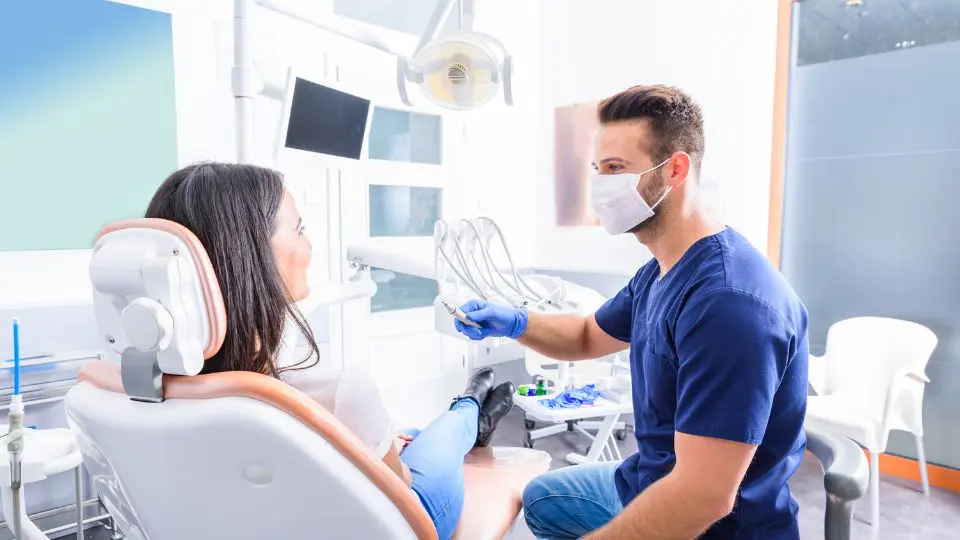
You might be feeling a mix of excitement and worry right now. You want a better smile, but the idea of a cosmetic dental consultation, with bright lights, close-up photos, and detailed measurements, can feel a little exposing. You may be wondering what they will see, what they will say, and whether you will feel judged. When you visit a dentist in Toledo oh for a cosmetic consultation, it’s normal to have these questions and concerns in mind.end
It often starts with a simple thought. You notice your teeth in a photo and wish they were whiter, straighter, or less worn. You start searching for a cosmetic dentist, then realize there is a whole process before anything is done. Because of this, you might worry that the consultation will be overwhelming or that you will be pushed into expensive treatment.
The truth is, a good cosmetic dentist uses a careful consultation checklist to protect you, not pressure you. They measure and photograph your teeth so they can understand what is really going on, explain it in plain language, and build a plan that fits your goals and budget. In other words, those cameras and measuring tools are there to give you clarity, not criticism.
So what actually happens during that consultation, and what do cosmetic dentists measure and photograph, step by step?
Why does a cosmetic dentist take so many photos of your teeth?
It can feel strange when a camera comes close to your face from different angles. You might think, “Is all this really necessary for a smile makeover consultation?” The short answer is yes, and here is why.
Cosmetic dentistry is not just about making teeth look nice. It has to respect your bite, your jaw joints, your gums, and the long-term health of your mouth. Photos reveal details that even a mirror cannot show. They allow the dentist to study your smile when you are relaxed, talking, or laughing, not just when you are sitting back in the chair trying not to move.
During a cosmetic dental consultation checklist, you can expect several sets of photographs:
First, full-face photos. These show how your teeth fit your face, lip shape, and smile line. The dentist can see whether a wider or narrower smile would suit you and how much tooth shows when you talk or rest.
Next, close-up smile photos. These capture color, shape, and alignment. They help identify staining or early tooth decay that you might not notice. For more on how decay starts, you can read about tooth decay and cavities from a trusted health source.
Finally, intraoral photos. These are detailed pictures inside your mouth. They show cracks, old fillings, wear, crowding, and gum health. These images become a visual record. You and the dentist can refer back to them to track changes and to plan treatment.
So where does that leave you emotionally? When you see your teeth on a screen, it can be confronting. A thoughtful dentist will pause, check in with you, and explain what you are seeing in a kind, straightforward way, not as a list of flaws, but as information to help you make good decisions.
What measurements are taken during a smile consultation, and why do they matter?
Once photos are done, the focus shifts to measurements. This is where the process starts to feel technical, and you might worry you are being turned into a “case” rather than a person. It helps to know what they are measuring and how it affects your choices.
Here are some of the key measurements and checks that are usually part of an aesthetic dental consultation checklist:
Tooth length and width. The dentist will look at whether your front teeth are too long, too short, or worn down. Worn teeth are very common and can be caused by grinding, acid wear, or brushing too hard. If you are curious about how tooth wear is assessed, you can explore this clear explanation of tooth wear and erosion.
Gum levels. Uneven gums can make teeth look different sizes even when they are not. Measuring gum height helps the dentist decide whether gentle gum contouring or orthodontic movement is needed so the smile looks balanced.
Bite and jaw position. Your bite is checked to see how the upper and lower teeth meet. This matters because even the best veneers or bonding will not last if your bite puts constant stress on them. Bite issues can also be linked to headaches or jaw discomfort.
Spacing and crowding. Gaps or overlapping teeth are measured. Sometimes this leads to simple bonding. Other times, short-term orthodontics or aligners are a better option before whitening or veneers.
Tooth color and staining pattern. Shade guides and sometimes digital scanners are used to map your current color. This helps set realistic expectations for whitening and for matching crowns or veneers.
Underneath all of this is a simple idea. The dentist is trying to understand whether your cosmetic goals line up with what your teeth and gums can safely handle. This is where emotional and financial concerns often come up. You may worry that every small issue will turn into another treatment suggestion.
A thoughtful cosmetic dentist will prioritize. They will distinguish between what is urgent for health, like active cavities which you can read more about through this overview of cavities and tooth decay, and what is optional for appearance. You should always feel that you can ask, “What happens if I do nothing right now?” and get an honest answer.
What should you compare before saying yes to cosmetic treatment?
Once you have photos and measurements, the conversation usually turns to options. This is where decisions can feel heavy. You might be given choices between whitening, bonding, veneers, or orthodontics, each with a different price tag, maintenance level, and impact on your natural tooth structure.
To make this easier, it helps to compare treatments using a few simple questions. How much tooth needs to be altered. How long the result is likely to last. How easily it can be repaired or adjusted in the future. The table below offers a general comparison that many people find helpful when navigating cosmetic dentist treatment plans.
| Treatment Option | Tooth Reduction | Typical Longevity | Cost Level (Relative) | Best For |
| Whitening | None | 1 to 3 years with touch ups | Lower | Healthy teeth with good shape, mainly color concerns |
| Bonding (Composite) | Minimal | 3 to 7 years | Lower to medium | Small chips, gaps, and edge repairs |
| Porcelain Veneers | Moderate | 10 to 15 years on average | Higher | Shape, color, and alignment improvements in the smile zone |
| Orthodontic Aligners | None | Long term with retainers | Medium to higher | Crowding, spacing, and bite correction |
This kind of comparison is what the best smile makeover consultation conversations feel like. Calm, informed, and focused on trade offs, not pressure. If you ever feel rushed or confused, it is reasonable to ask for time to think or for a written summary of the suggested plan.
Three practical steps to get the most from your cosmetic dental consultation
1. Clarify your “why” before you go
Take a few minutes to write down what bothers you most about your smile. Is it color, shape, crowding, old fillings, or something else. Bring a photo of a time you liked your smile, or even a smile you admire, not as a demand, but as a reference point. This gives the dentist a clear starting point and helps keep the discussion centered on what matters to you, not just what the photos show.
2. Ask for a guided tour of your photos and measurements
When the images are on the screen, ask the dentist to walk you through them slowly. For example, “Can you show me where you see wear or cracks” or “Which of these issues affect my dental health, and which are purely cosmetic.” This shifts you from feeling judged to feeling informed. It also makes it easier to separate “must do” from “nice to have.”
3. Discuss options in phases, not all at once
If you are offered a big treatment plan, ask whether it can be broken into phases. You might start with health focused care, such as treating decay or gum issues, then move on to whitening, and finally consider bonding or veneers. Phasing treatment can ease both financial pressure and emotional overload. It also gives you time to see how smaller changes affect your confidence before committing to more.
Walking away from your consultation with clarity, not confusion
A cosmetic dental consultation does not need to feel like a verdict on your smile. When you understand why photos are taken, what is being measured, and how options are compared, the process becomes less about being judged and more about being understood.
You deserve a dentist who treats those images and measurements as tools to support your decisions, not to scare you into them. With a clear consultation checklist for cosmetic dentistry in mind and a few thoughtful questions prepared, you can walk out of that first visit with a grounded sense of your choices and a realistic path toward the smile you want.
From here, your next step is simple. Choose a cosmetic dentist who is willing to slow down, show you your own photos, explain your measurements in plain language, and work with your goals at your pace. Your smile is personal. Your consultation should feel that way too.