
eSIM Japan vs Singapore: Best 2026 Travel Guide
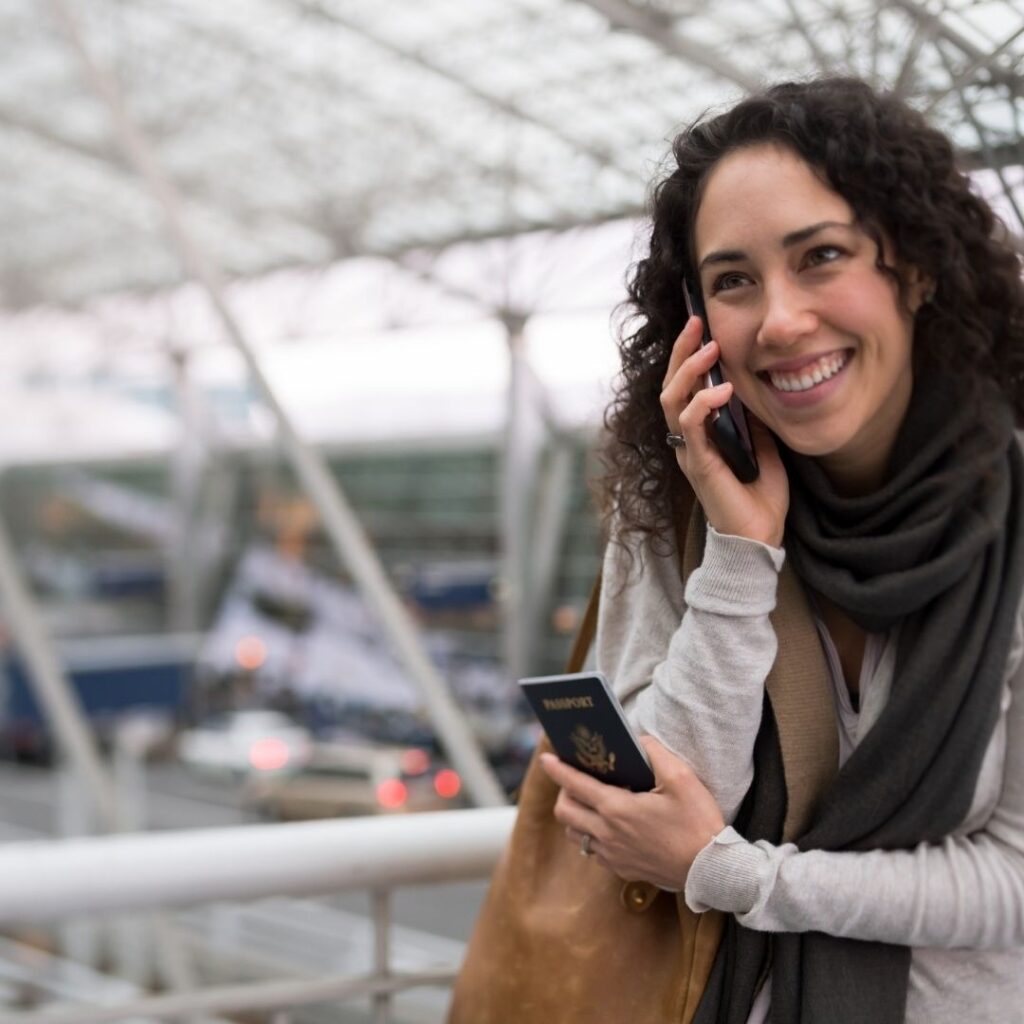
TLDR: Traveling to Japan, Singapore, or both in 2026? An eSIM gets you connected the moment you land, without the hassle of airport SIM counters or overpriced roaming fees. This guide compares connectivity needs for both destinations and helps digital nomads and travelers pick the right plan for their trip.
Why Are Travelers Choosing eSIMs Over Physical SIMs in Asia?
Travelers heading to Japan and Singapore are increasingly skipping physical SIM cards for digital ones. An eSIM activates within minutes, works across multiple trips, and avoids the long airport queues and paperwork often required for physical SIMs at Japanese and Singaporean carriers.
Both destinations draw different types of travelers, but the connectivity frustration is nearly identical. Tokyo and Osaka attract tourists and business travelers who need fast, reliable data the second they land, while Singapore pulls in digital nomads and short-term business visitors who need dependable connectivity for work calls and navigation. For travelers landing in Japan, sorting out e sim japan options before departure means skipping the SIM counter entirely and getting online the moment the plane touches down.
How Does Network Coverage Compare Between Japan and Singapore?
Japan offers extensive 4G and 5G coverage across nearly all urban and rural areas, including bullet train routes. Singapore, being a compact city-state, has near-universal high-speed coverage throughout the entire country, making it one of the most consistently connected destinations in the region.
| Factor | Japan | Singapore |
| Urban coverage | Excellent (5G widespread in cities) | Excellent (nationwide 5G) |
| Rural/remote coverage | Strong, even on bullet trains | Not applicable, fully urban |
| Average data speed | Very high | Very high |
| Typical eSIM plan cost | $5-$20 (7-30 days) | $4-$15 (7-30 days) |
| Best for | Multi-city tourists, business travel | Short business trips, digital nomads |
Who Should Consider an eSIM for These Destinations?
Digital nomads, business travelers, and tourists moving between multiple cities benefit most from eSIMs in both Japan and Singapore. Anyone who needs immediate, reliable connectivity without dealing with local carrier paperwork or language barriers should consider one before departure.
This applies especially to:
- Business travelers in Singapore needing instant connectivity for meetings and video calls upon arrival.
- Digital nomads using Singapore as a regional base while working remotely across Southeast Asia.
- Tourists exploring multiple Japanese cities like Tokyo, Kyoto, and Osaka who need consistent coverage across regions.
- Transit travelers connecting through Singapore’s Changi Airport who need quick, short-term data access.
Singapore in particular has become a popular hub for digital nomads due to its strong infrastructure and central location within Asia. Travelers planning to use the city as a base for work or onward travel often want dependable, high-speed data from the moment they arrive, and browsing esim singapore options in advance ensures connectivity is sorted before any meetings or work commitments begin.
How Do You Set Up an eSIM Before Traveling to Japan or Singapore?
Setup takes under five minutes and can be completed entirely before departure. Most providers send a QR code by email, which you scan through your phone’s cellular settings to install the profile instantly, no physical card or store visit required.
Basic setup steps:
- Choose a plan based on your destination and expected data usage.
- Purchase online and receive the QR code via email.
- Go to phone settings, select “Add Cellular Plan,” and scan the code.
- Label the eSIM clearly (e.g., “Japan Trip” or “Singapore Trip”).
- Set the plan to activate on arrival or on a specific date.
Most smartphones from the past four to five years support eSIM technology, including recent iPhone and Samsung models, so confirming compatibility before purchase is worthwhile.
What Should Travelers Check Before Choosing a Provider?
The best eSIM providers offer transparent pricing, strong local network partnerships, flexible data caps, and responsive customer support. Avoid providers with hidden fees or reliance on a single weak network partner in either country.
Key things to verify beforehand:
- Network partner names and coverage strength for each country
- Data top-up or rollover options if you run low mid-trip
- Hotspot and tethering permissions, since some plans restrict this
- Customer support availability across time zones
How Can Travel and Business Content Actually Rank Higher Online?
Ranking for travel and connectivity topics requires more than good writing, it needs structured, well-optimized content that search engines and AI overviews can easily surface. Many travel and tech businesses lose visibility simply because their content isn’t built with search intent and structure in mind.
This is particularly relevant for businesses in the travel tech space competing for visibility around destination-specific searches. Working with fully managed seo services ensures content covering destinations, connectivity options, and travel guides is properly optimized to rank in both traditional search results and AI-generated answers, rather than getting buried under more established competitors.
Final Thoughts on Choosing Between Japan and Singapore eSIMs
Both Japan and Singapore offer excellent eSIM infrastructure, but they serve slightly different travel needs. Japan suits multi-city tourism and business travel across a larger geographic area, while Singapore suits short business trips and serves as a reliable base for digital nomads working across the region.
Providers like Mobimatter have built out plans specifically designed for these travel patterns, whether it’s a two-week tourist trip across Japan or a compact business visit to Singapore. Comparing your itinerary against expected data needs before booking will save both time and money once you land.
Frequently Asked Questions
Can I use one eSIM plan for both Japan and Singapore?
Usually not under a single regional plan, since these countries are typically covered under separate country-specific plans. Most travelers purchase individual eSIMs for each leg of a multi-country trip.
Is eSIM coverage reliable on Japan’s bullet trains?
Yes, Japan’s high-speed rail network generally maintains strong 4G and 5G coverage throughout most routes, though brief signal dips can occur in tunnels.
Do I need a local address to purchase an eSIM for Singapore?
No, most eSIM providers allow online purchase and activation without requiring a local address, making it convenient for short-term visitors and transit travelers.
How much data do digital nomads typically need in Singapore?
Nomads doing regular video calls and cloud-based work typically need at least 15-20GB per month, while casual travelers checking maps and messaging apps can often manage with less.

