
San Diego Freeway Accidents: Liability Complexities on California’s Busiest Corridors
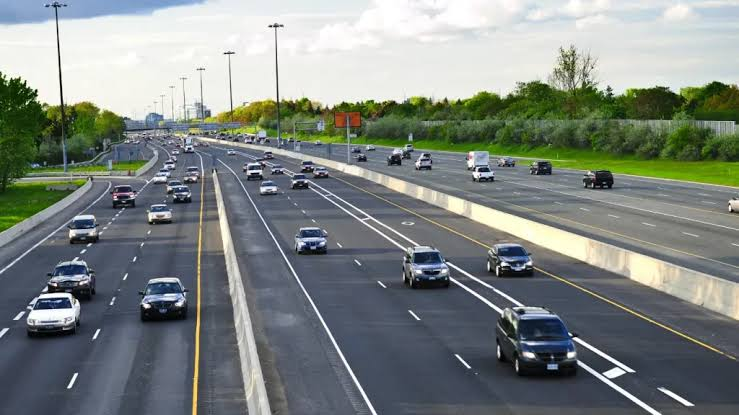
San Diego’s freeway system moves hundreds of thousands of vehicles every day, and that volume comes with a cost. The interchanges connecting I-8, I-5, and the 163 rank among the busiest and most collision-prone stretches of road in Southern California. When a crash happens on these corridors, figuring out who pays for the damage is rarely simple.
Unlike a typical two-car fender bender, freeway accidents in San Diego often involve three, four, or more vehicles moving at highway speed. Add California’s unique approach to shared fault, plus the growing number of out-of-state trucking companies passing through the region, and you get claims that can take months to sort out fairly.
Why San Diego’s Freeways Create Unique Liability Challenges
The 163 through Balboa Park narrows suddenly and drops elevation, catching out-of-town drivers off guard. The I-8/I-5 interchange handles merging traffic from three directions at once during rush hour. These design quirks, combined with heavy commuter and tourist traffic, create conditions where a single mistake can trigger a chain reaction.
When that chain reaction involves several vehicles, each driver’s insurance company usually points fingers at someone else. Investigators have to reconstruct the sequence of impacts, often using dashcam footage, black box data, and witness statements from multiple angles. That process takes time, and it directly affects how compensation gets divided.
Understanding California’s Pure Comparative Fault System
California uses what’s called a pure comparative fault rule, and it changes the math for everyone involved in a crash. Under this system, a person can recover damages even if they were mostly at fault for the accident. Their compensation just gets reduced by their percentage of responsibility.
Say a driver was found 30 percent at fault for following too closely, while the other driver was 70 percent at fault for an unsafe lane change. The first driver can still recover 70 percent of their damages. This is different from states with a stricter cutoff, where any fault above 50 percent can bar recovery entirely.
How Fault Percentages Affect Compensation
In a multi-vehicle pileup, fault rarely lands on one person. Insurance adjusters, and sometimes juries, assign a percentage to every driver involved. That means a rear driver who couldn’t stop in time might share blame with the driver who caused the initial slowdown, and with a third driver who was following too closely as well.
This gets complicated fast when there are five or six cars involved. Each insurer wants to minimize their client’s assigned percentage, which can lead to conflicting versions of events. Detailed evidence, gathered quickly after the crash, makes a real difference in how these percentages get set.
There’s also a practical reason why comparative fault matters so much in San Diego specifically. With several major freeways converging near downtown, a driver involved in a pileup on the I-8/I-5 interchange might be dealing with insurers from two, three, or even four different companies at once. Each one is running its own version of the fault calculation, and those versions rarely line up on the first pass.
Multi-Vehicle Pileups on I-8, I-5, and the 163
Freeway pileups tend to follow a pattern. A sudden slowdown, often from congestion near an interchange or an earlier fender bender, causes a chain of rear-end collisions before drivers further back can react. On the 163, the narrow lanes and limited shoulder space leave little room for evasive maneuvers.
Because these crashes happen fast, physical evidence at the scene matters enormously. Skid marks, vehicle positioning, and the extent of damage can help reconstruct which impact happened first and how each subsequent collision built on it. Without that reconstruction, it’s easy for one driver to end up unfairly blamed for damage another driver actually caused.
Weather rarely plays a role in San Diego crashes the way it might elsewhere, but sun glare during morning and evening commutes is a recurring factor on stretches of I-5 that run east to west. Combine that with stop-and-go congestion, and a driver can go from cruising speed to a full stop in a matter of seconds, with little warning for the traffic behind them.
People who have gone through this process often describe how much clarity a thorough investigation brought to their case, something reflected in the experiences shared on client testimonial pages. Real accounts from past clients can give a sense of how these multi-vehicle claims typically unfold, and what kind of documentation ended up making the biggest difference in the outcome.
When Out-of-State Commercial Vehicles Enter the Picture
San Diego sits along major freight corridors, which means commercial trucks registered outside California regularly pass through on I-8 and I-5. When one of these vehicles is involved in a crash, the claim gets a new layer of complexity.
Out-of-state carriers often operate under different insurance requirements than California-based companies. Their policies may have different coverage limits, and their claims adjusters may not be familiar with California’s comparative fault rules at all. Some carriers also try to apply their home state’s laws to the negotiation, even when the crash happened here.
Federal motor carrier regulations add another wrinkle. Commercial drivers are subject to hours-of-service limits and maintenance requirements that don’t apply to passenger vehicles. If a truck driver was fatigued or the vehicle had a known mechanical issue, that evidence can shift liability significantly, but it usually requires a records request that goes beyond a standard insurance claim.
There’s also the question of who actually owns the truck. Many commercial vehicles on I-5 and I-8 are leased, and the driver may work for a staffing agency rather than the company whose logo appears on the trailer. Sorting out which entity bears responsibility, the carrier, the leasing company, or the driver’s direct employer, can take weeks of records requests before a claim even reaches the negotiation stage.
Building a Strong Claim After a Freeway Accident
The first hours and days after a freeway crash matter more than most people realize. Photos of vehicle positioning, contact information from witnesses, and a copy of the official collision report all help establish what actually happened before memories fade or vehicles get repaired.
Medical documentation matters just as much. Insurance companies often argue that injuries were pre-existing or unrelated to the crash, especially in multi-vehicle accidents where it’s harder to pin down which impact caused which injury. Seeing a doctor promptly, and following through with recommended treatment, creates a clear record that ties the injury to the collision.
It also helps to avoid recorded statements with an insurance adjuster before understanding how fault is likely to be divided. Adjusters are trained to ask questions that can be used to shift blame, even subtly, and an early misstep can affect the entire claim.
Repair estimates deserve a second look too. In a multi-vehicle crash, damage from separate impacts can overlap on the same panel of a car, making it hard to tell which collision caused what. A qualified appraiser who understands the sequence of events can separate that damage more accurately than a standard estimate written for a single-impact claim.
Working With an Attorney Who Knows Local Roads
Not every personal injury case requires legal help, but multi-vehicle freeway accidents involving comparative fault disputes usually benefit from it. An attorney familiar with San Diego’s specific interchanges and traffic patterns can spot inconsistencies in an insurer’s version of events more quickly than someone reconstructing the scene from scratch.
Local knowledge also matters when a commercial truck is involved. Understanding which regulations apply, and how to request the right records from an out-of-state carrier, often requires experience specific to these kinds of claims. A San Diego personal injury lawyer who regularly handles freeway accident cases will already know which agencies to contact and what documentation tends to hold up.
Conclusion
Freeway accidents in San Diego rarely have a simple cause or a simple resolution. Between California’s comparative fault rules, the sheer number of vehicles that can be involved in a single incident, and the added complexity of out-of-state commercial carriers, these claims demand careful documentation and a clear understanding of how fault gets divided.
Anyone who has been through a multi-vehicle crash on I-8, I-5, or the 163 should focus first on documenting the scene and seeking medical care. From there, understanding how comparative fault applies to the specific circumstances can make the difference between a fair settlement and one that shortchanges the true cost of the accident.