
How CPAs Assist With Government And Municipal Accounting
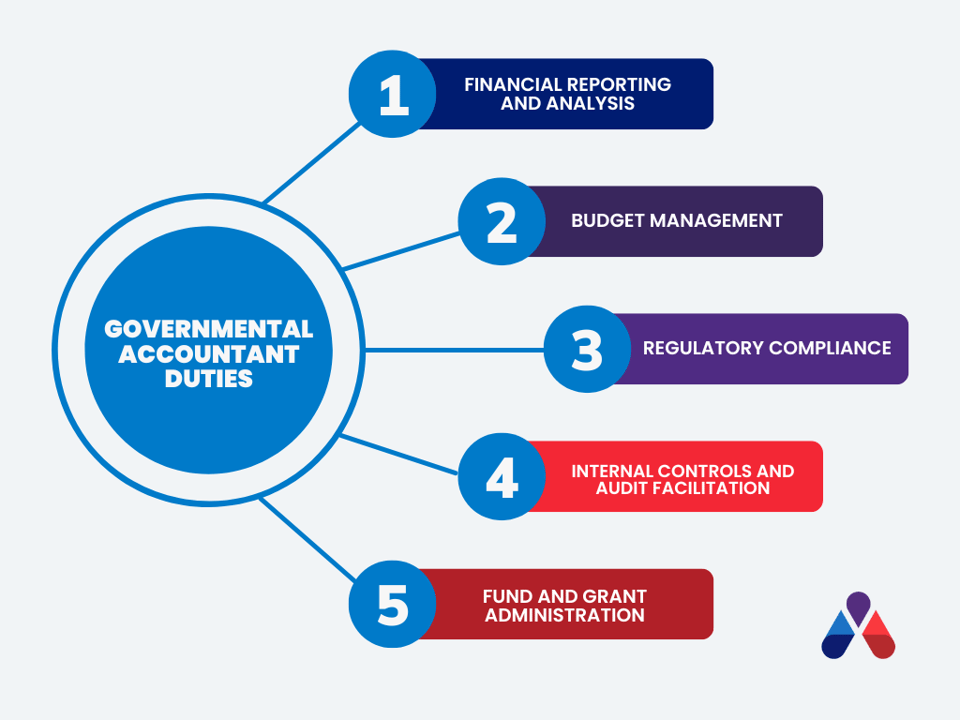
Government and municipal accounting pressures you every day. You face strict rules, public scrutiny, and constant budget stress. One mistake can damage trust and trigger audits. You need clear books, clean records, and reports that stand up to review. You also need support that respects taxpayer money. A CPA in Lynchburg, VA understands these demands and stands between you and costly errors. This support helps you track grants, manage funds, and meet state and federal rules. It also helps you explain numbers to councils, boards, and residents in plain language. When you work with a CPA, you do not hand off control. Instead, you gain a partner who helps you plan, check, and report with confidence. This blog explains how a CPA can support your government or municipal office, reduce risk, and protect public trust.
Why Government And Municipal Accounting Feels So Hard
Your work does not stop with paying bills and recording receipts. Public money comes with extra weight. You must follow state law, federal rules, local ordinances, and internal policies. You must also answer to residents who expect honesty and clear reporting.
A CPA trained in government work understands standards from bodies such as the Governmental Accounting Standards Board. You still make choices. Yet you gain a guide who helps you avoid mistakes that lead to findings, paybacks, or loss of grants.
Key Ways A CPA Supports Your Daily Work
A CPA can step into many parts of your accounting cycle. You decide what you keep in house and what you ask the CPA to handle.
Common support includes:
- Setting up or cleaning your chart of accounts
- Recording and tracking grants and restricted funds
- Preparing bank and fund reconciliations
- Reviewing payroll records and benefits costs
- Helping staff follow written procedures
This work removes confusion. It also makes it easier for you to train new staff and keep work moving when people leave.
Budgeting And Long Term Planning Help
Public budgets are public promises. You must show how each dollar supports services like roads, water, safety, and parks. A CPA can help you shape a budget that matches real revenue and real costs.
Support often includes:
- Projecting tax and fee revenue
- Estimating salary, overtime, and benefit costs
- Planning for debt payments and capital projects
- Setting up multi year financial plans
A CPA can also help you explain hard budget choices in clear words. You can walk into council meetings with simple charts and straight answers. That reduces tension and builds trust.
Grant Management And Compliance
Grants bring resources. They also bring rules. Miss one rule and you may have to repay money. You may also lose access to future funds. A CPA can help you set up systems that track each grant from award to closeout.
Support can cover:
- Reviewing grant agreements before you accept funds
- Setting up separate accounts and cost centers
- Preparing draw requests and reports
- Helping you get ready for single audits under federal rules
You can read more about federal grant rules in the Uniform Guidance from the U.S. Office of Management and Budget. A CPA uses these rules to protect your office from disallowed costs and findings.
Internal Controls And Fraud Prevention
Most fraud in government offices comes from weak controls, not from complex schemes. Simple steps reduce risk. A CPA can review your current processes and point out gaps that expose you to theft or misuse.
Key control improvements include:
- Segregating duties for cash receipting and disbursement
- Requiring dual approval for large payments
- Locking down user roles in your accounting system
- Documenting step by step procedures
The Government Accountability Office publishes the Standards for Internal Control in the Federal Government. These ideas also help state and local offices. A CPA can translate these standards into clear steps for your staff.
How CPAs Differ From General Bookkeepers
You may ask why you need a CPA when you already have a bookkeeper or clerk. The roles are not the same. The table below shows simple differences.
| Function | Bookkeeper Or Clerk | CPA With Government Focus |
|---|---|---|
| Daily Transaction Entry | Records receipts and payments | Reviews entries for accuracy and compliance |
| Financial Reporting | Prepares basic reports from system | Prepares or reviews GASB based statements and notes |
| Budget Support | Provides numbers on past spending | Builds forecasts and funding plans |
| Grant Compliance | Tracks receipts and payments | Aligns spending with grant rules and audit needs |
| Internal Controls | Follows set procedures | Designs and tests controls to reduce risk |
| Audit Support | Gathers documents | Prepares schedules, answers questions, guides fixes |
You still need strong internal staff. Yet a CPA adds oversight, planning, and structure that your staff may not have time or training to provide.
Support During Audits And Reviews
Audits can feel harsh. You may fear public reports and media questions. A CPA can help you prepare before auditors arrive. That reduces findings and stress.
Support may include:
- Preparing lead schedules and reconciliations
- Reviewing prior findings and tracking fixes
- Coaching staff on how to answer questions
- Helping you respond in writing to any new findings
When you walk into an audit with clean records, you protect your reputation and your staff. You also show residents that you treat their money with care.
Training And Support For Your Team
Turnover hurts small governments and departments. Each time someone leaves, you lose knowledge. A CPA can help by training new staff and creating simple guides.
Useful training topics include:
- How to code invoices and receipts
- How to handle cash and deposits
- How to use your accounting software
- How to spot and report red flags
Written guides and checklists keep work moving even when people move on. That protects you from gaps and late reports.
Choosing The Right CPA For Your Office
Not every CPA understands government work. When you look for help, ask clear questions.
Consider asking:
- How many government or municipal clients do you serve
- What standards do you follow for government accounting
- How do you support grant management and audits
- How will you work with our existing staff
You deserve a partner who respects your time and your limits. You also deserve straight talk about risks and options.
Protecting Public Trust Through Strong Accounting
Your work touches every resident. It shapes roads, safety, schools, water, and daily life. Strong accounting is not just about numbers. It is about trust. When you bring in a CPA with government experience, you give yourself structure, support, and a clear path through complex rules.
You stay in charge. Yet you no longer carry the weight alone. That balance protects your staff, your elected leaders, and the people you serve.
