
How Veterinary Checkups Extend The Life Of Your Pet
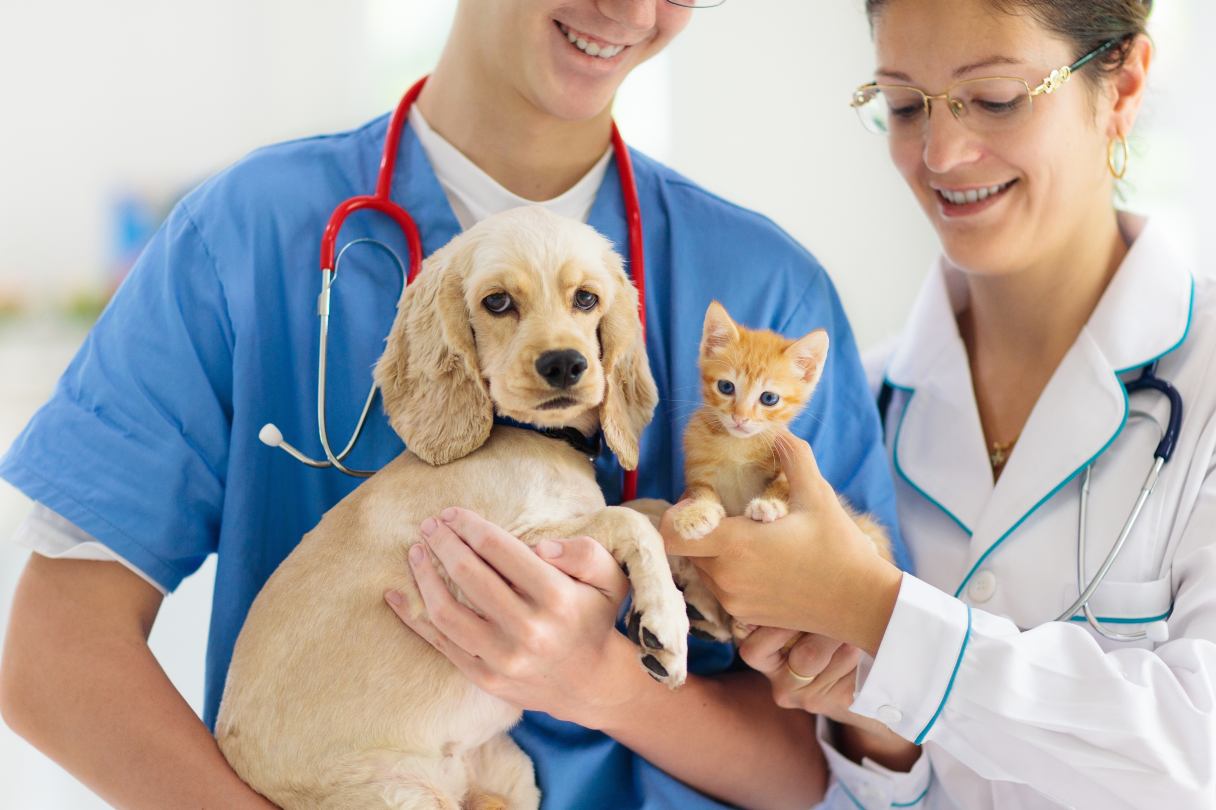
Your pet is a cherished part of your family. Regular veterinary checkups play a crucial role in ensuring their health and longevity. Visits to a North West San Antonio veterinarian can add years to your pet’s life. These visits offer more than just routine vaccinations. They allow the vet to detect early signs of diseases. Identifying issues before they become serious can save your pet from unnecessary pain. It also saves you from emotional distress. A checkup includes a thorough physical exam. Additionally, it reviews your pet’s diet and exercise routine. If adjustments are needed, the vet can recommend practical changes. The goal is to maintain your pet’s well-being. Proactive care helps you enjoy more joyful moments together. Don’t wait for problems to appear. Make regular veterinary visits a priority. Your pet’s extended life and happiness depend on it.
Importance of Regular Checkups
Regular checkups are more than just routine visits. They serve as a foundation for your pet’s health. Vets can catch problems early. These include dental issues, obesity, and early-stage illnesses. Addressing these can prevent bigger health challenges. This is essential for extending your pet’s life.
What to Expect During a Checkup
A typical checkup is comprehensive. It involves checking your pet’s weight, temperature, and general appearance. The vet assesses your pet’s eyes, ears, and teeth. They listen to the heart and lungs. Vets may also examine the skin and coat. Each checkup is an opportunity to detect issues.
Routine Vaccinations and Preventive Care
Vaccinations protect your pet from severe diseases. They are a critical part of preventive care. The vet will review your pet’s vaccination schedule. This ensures your pet is protected against prevalent diseases. Rabies, distemper, and parvovirus are some examples.
Why Early Detection Matters
Detecting diseases early is pivotal. Early treatment leads to better outcomes. It reduces the impact of diseases on your pet’s life. For example, early detection of arthritis allows for treatments that enhance mobility. These treatments extend your pet’s active years.
Diet and Exercise Recommendations
Diet and exercise play key roles in your pet’s health. Vets provide personalized recommendations. They help manage weight and prevent obesity-related diseases. A balanced diet and regular exercise keep your pet healthy and happy.
Cost of Ignoring Checkups
Skipping checkups can lead to higher costs later. Undiagnosed issues can become emergencies. Emergencies are more expensive and stressful. Regular checkups help avoid these situations. They are a wise investment in your pet’s health.
Checkup Frequency Guidelines
Checkup frequency depends on your pet’s age and health. Young pets need more frequent visits. Older pets also require close monitoring. Here is a simple guideline:
| Pet Age | Checkup Frequency |
|---|---|
| Puppies/Kittens (0-1 year) | Every 3-4 weeks |
| Adults (1-7 years) | Twice a year |
| Seniors (7+ years) | Three times a year |
For more information on pet health, visit the American Veterinary Medical Association.
Building a Relationship with Your Vet
Visiting the vet regularly builds a relationship. This helps the vet understand your pet’s unique needs. A trusting relationship ensures your pet gets the best care possible. Vets can offer advice specific to your pet’s lifestyle and health.
Conclusion
Regular veterinary checkups are vital. They ensure your pet’s long, healthy life. Vets detect problems early and provide preventive care. Keeping up with checkups saves you money and worry. Prioritize these visits for peace of mind. Your pet deserves the best care you can provide.