
How Weather Patterns in the Hudson Valley Impact the Timing of Roof Replacement for Beacon, NY Residents
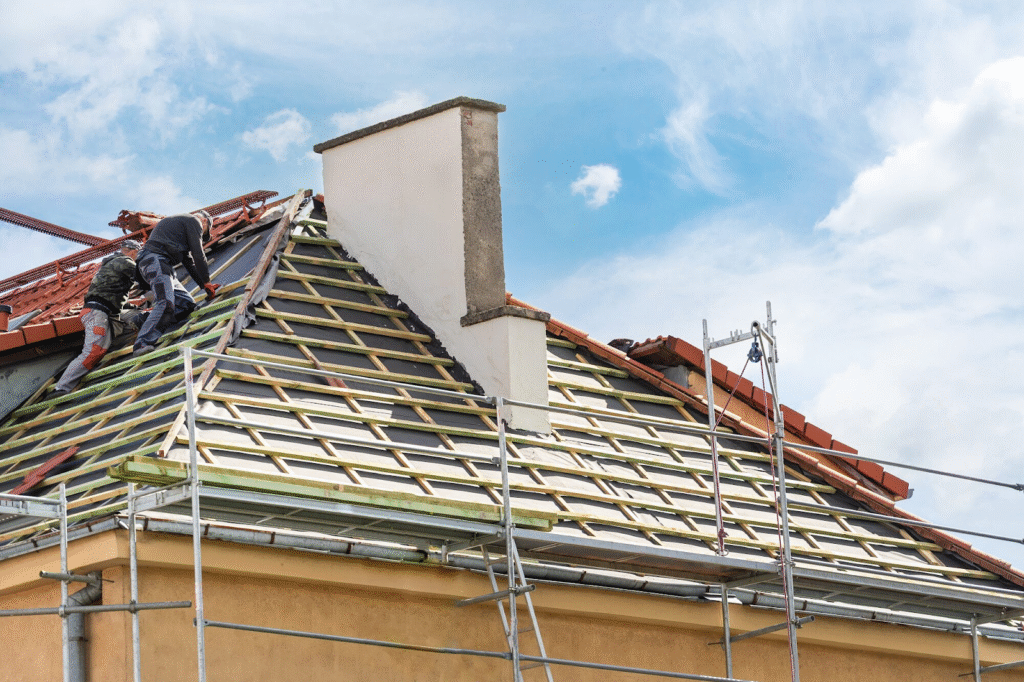
Living in the Hudson Valley offers a beautiful landscape, but it also brings weather conditions that can be hard on residential roofs. Beacon, NY, experiences a mix of heavy snow, freezing temperatures, rainstorms, high humidity, and seasonal wind events. All of these factors affect how long a roof lasts and when homeowners should consider a full roof replacement. Many Beacon residents notice that their roofs age faster or develop issues during transitional seasons, which makes timing extremely important. When planning a ROOF REPLACEMENT FOR BEACON, NY, understanding the local weather patterns helps ensure that installation happens during the safest and most efficient window of the year.
The Hudson Valley’s climate is known for quick temperature shifts, especially in the spring and fall. These shifts can cause roofing materials to expand and contract, weakening shingles and flashing over time. For homeowners, this means staying proactive about the condition of their roof and recognizing how each season impacts the scheduling of a replacement. Whether you have an asphalt shingle roof, metal roofing, or architectural shingles, the environment plays a huge role in lifespan and performance.
How Winter Conditions Influence Roof Replacement Timing
Winter in Beacon, NY is one of the most challenging seasons for roofing. The cold temperatures and heavy snow make it difficult to safely install new roofing materials. Contractors often avoid scheduling a full ROOF REPLACEMENT FOR BEACON, NY during the coldest months because shingles can become brittle and adhesives may not seal properly. Snow and ice buildup can also create unsafe working conditions, leading to delays or rushed installations that compromise quality.
Beacon’s winter weather typically lasts from December through March, with January and February being the coldest and snowiest months. During this period, many homeowners also start to notice roofing issues caused by ice dams. Ice dams form when melting snow refreezes along the roof’s edges, trapping water under the shingles. While repairs may be possible in winter, full replacements are typically scheduled for late spring or early summer. This ensures that materials bond correctly and installation crews have a safe workspace.
Additionally, winter storms in the Hudson Valley often bring strong winds, which can lift loose shingles and worsen existing roof problems. By the time spring arrives, a small winter issue may have turned into a major leak, making it more important for homeowners to inspect their roofs and plan replacements early in the year, before the busy season begins.
The Impact of Spring and Summer Weather on Roof Replacement Scheduling
Spring is one of the most popular times to schedule a ROOF REPLACEMENT FOR BEACON, NY, but it also comes with challenges. While temperatures are warmer and snow has melted, spring can be unpredictable. The Hudson Valley is known for heavy rainfall in April and May, along with occasional storms that may lead to short-term delays during installation. However, spring weather usually provides the moisture and warmth needed for adhesives to bond properly, ensuring that shingles sit securely on the roof deck.
Summer is generally considered the ideal season for roofing projects in Beacon. The consistently warm temperatures make it easier for roofing contractors to complete projects quickly and efficiently. The longer daylight hours also allow crews to get more work done each day. However, Beacon’s summers can be hot and humid, which may impact installation times. Roofing materials can soften in extreme heat, making them vulnerable to scuffing. Still, experienced roofing professionals adjust their workflow to avoid problems and ensure quality results.
Homeowners should also consider the increased demand for roofing services during spring and summer. Many contractors book their schedules months in advance. Planning ahead can help residents avoid delays and secure the most favorable installation dates. By scheduling early, homeowners also protect their property before the intense summer heat or late-summer storms cause additional damage.
How Fall Weather Complements Roof Replacement Projects
Fall is another excellent time to schedule a ROOF REPLACEMENT FOR BEACON, NY because temperatures are mild and humidity levels drop. Contractors favor fall installations because shingles adhere quickly in cool, dry air. Beacon’s fall weather tends to be stable, with fewer rainstorms and less severe heat. These conditions create the perfect environment for long-lasting roofing performance.
However, fall also brings its own considerations. Windy days may cause delays, and falling leaves can clutter gutters and roof surfaces, requiring cleanup during installation. Homeowners must also plan early because fall is one of the busiest seasons for roofing companies. Many Beacon residents rush to replace aging roofs before winter snow arrives. A well-timed fall replacement helps ensure your roof is ready to withstand heavy storms, frigid temperatures, and ice buildup.
Beacon’s fall season typically runs from September to November, giving homeowners a short but favorable window for replacements. Choosing this time can help extend the lifespan of your new roof, reduce the risk of weather damage during installation, and improve long-term energy efficiency.
Seasonal Storms and Their Role in Roof Damage and Replacement Needs
The Hudson Valley is known for its powerful storms, especially during late summer and early fall. Tropical storms and remnants of hurricanes frequently move through the region, bringing heavy rain, strong winds, and occasional hail. These storms cause significant wear and tear on roofs, often leading homeowners to schedule a ROOF REPLACEMENT FOR BEACON, NY sooner than expected.
High winds can rip shingles away, loosen flashing, and expose the roof deck to moisture. Hail, while less common in Beacon than in other areas, can still damage shingles by cracking or denting them. These issues may not be immediately visible, but they weaken the protective barrier and shorten the roof’s lifespan. After any major storm, homeowners should schedule an inspection to determine whether repairs or a full replacement is needed.
The increased frequency of extreme weather events also means that Beacon residents must stay vigilant year-round. Climate change has contributed to more unpredictable storm patterns, making it even more important to understand how the weather influences roof performance. By recognizing storm-related vulnerabilities, homeowners can plan ahead and ensure their roof replacement is not just reactive but strategic.
Seasonal Planning: Choosing the Best Time for Roof Replacement
When deciding the best time to schedule a ROOF REPLACEMENT FOR BEACON, NY, homeowners should consider not only weather conditions but also contractor availability and the age of their roof. Most roofing contractors recommend avoiding winter installations unless absolutely necessary. Spring and fall remain the preferred seasons due to mild temperatures and predictable weather, while summer is excellent for those who plan early and can accommodate heat-related scheduling adjustments.
Roofing experts also encourage Beacon residents to take proactive steps before extreme weather hits. For example, scheduling a replacement in early fall ensures your home is protected from winter storms. Planning a spring replacement helps you address winter damage early and avoid further deterioration. Meanwhile, summer gives you a chance to replace your roof before the active storm season arrives in late August or September.
Every roof is unique, and the best time for replacement depends on factors such as roof age, material, and condition. What remains constant is the importance of aligning your project with seasonal weather patterns in the Hudson Valley. By doing so, you ensure a smoother installation process, better material performance, and long-term durability.
Conclusion
A successful ROOF REPLACEMENT FOR BEACON, NY depends heavily on understanding the weather patterns that shape the Hudson Valley region. Each season affects roofing materials differently, influencing installation timing, contractor availability, and the long-term durability of your roof. By planning your replacement around seasonal weather patterns—whether it’s avoiding the harsh cold of winter, taking advantage of the mild conditions in spring and fall, or preparing early for summer storms—Beacon homeowners can protect their properties and extend the life of their roofing systems. Staying informed and proactive ensures that your roof replacement is completed at the right time, with the best results, and with long-lasting protection for your home.

