
Top Tips For Maintaining Good Oral Hygiene Between Dental Visits
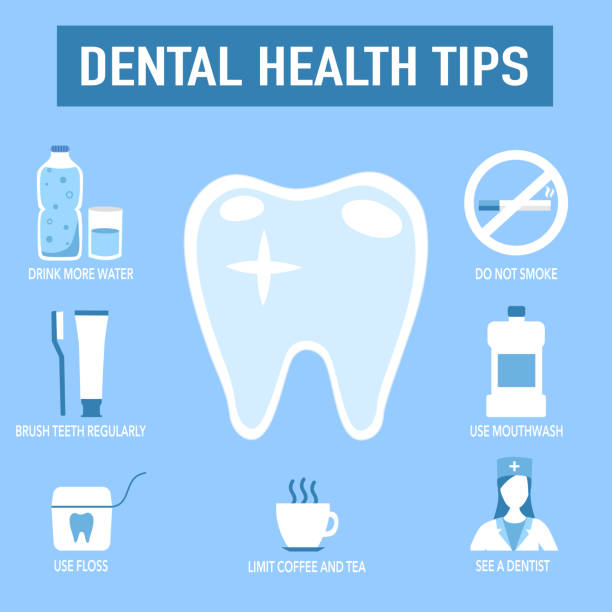
Your mouth needs steady care, not just a quick cleaning every six months. Between visits, your daily habits either protect your teeth or slowly damage them. Small choices build up. Missed brushing, rushed flossing, or constant snacking can lead to decay, pain, and costly treatment. Regular checkups and services like cosmetic dentistry in Denton tx help. Still, what you do at home matters more. This guide gives clear steps you can use today. You will learn how to brush with care, clean between teeth, and control plaque. You will see how food, drinks, and tobacco change your oral health. You will also learn when a problem needs urgent care. The goal is simple. Keep your mouth clean. Keep your breath fresh. Keep your teeth strong for as long as possible.
Build a Strong Daily Brushing Routine
Brush two times each day. Morning and night. That pattern protects every family member.
Use these three steps.
- Brush for two full minutes
- Use a soft bristle toothbrush
- Use fluoride toothpaste
First, place the brush at the gumline. Use short strokes. Clean the front, back, and top of each tooth. Do not scrub hard. Gentle pressure works better and hurts your gums less.
Next, change toothbrushes every three to four months. Old bristles bend and stop cleaning well. A child who bites the brush may need a new one sooner.
Finally, help young children. You can guide their hand. You can also brush your own teeth at the same time. That simple act teaches by example.
Clean Between Teeth Every Day
Food hides where your brush cannot reach. That trapped food feeds bacteria. You then face bleeding gums, bad breath, and decay.
Use one of these three tools.
- Dental floss
- Floss picks
- Interdental brushes
Slide the floss between teeth. Curve it in a C shape around each tooth. Move it up and down. Do not snap it into the gums. A small sting or a little blood at first is common. Steady flossing often stops bleeding within a week.
If floss feels hard to use, choose floss picks or small brushes that fit between teeth. The best tool is the one you will use each day.
Choose Food and Drinks That Protect Teeth
What you eat touches your teeth many times each day. Sugar and acid hit the surface over and over. That stress erodes enamel and feeds decay.
Use this simple rule of three.
- Limit sweet drinks
- Cut back on sticky snacks
- Add tooth friendly foods
First, drink water instead of soda, sports drinks, or juice most of the time. If you drink them, have them with a meal, not as a slow sip across the day.
Next, reduce candy, gummies, dried fruit, and chips. These cling to teeth and stay in the mouth longer.
Then, add foods that support enamel. Cheese, plain yogurt, nuts, and crunchy fruits and vegetables like apples and carrots help clean the surface and give your body calcium.
Understand Common Habits That Harm Your Mouth
Some daily actions quietly damage teeth and gums. You may not link them to oral health at first.
- Smoking or any tobacco use
- Vaping with or without nicotine
- Chewing ice or hard candy
Tobacco stains teeth, dries the mouth, and raises your risk for gum disease and oral cancer. Vaping dries the mouth and can irritate tissues. Chewing ice or hard candy can crack teeth.
You can see clear facts about tobacco and oral health from the National Institute of Dental and Craniofacial Research. That source explains how smoke and smokeless products change your mouth.
Use Fluoride and Mouth Rinses the Right Way
Fluoride strengthens enamel. It makes teeth more resistant to acid. Most people get fluoride from toothpaste and local drinking water.
Follow three key habits.
- Use a pea-sized amount of fluoride toothpaste
- Spit after brushing
- Do not rinse with water right away
Spitting without rinsing leaves a thin coat of fluoride on your teeth. That coat keeps working after you finish brushing.
Some people also use a fluoride mouth rinse. Your dentist may suggest this for a child with many cavities or for an adult with weak enamel. Always follow the label and your dentist’s advice.
Know What To Expect Between Dental Visits
Regular visits catch problems early. Home care reduces the number and size of those problems. Both parts work together.
The table below shows a simple comparison.
| Habit | If You Keep It | If You Skip It |
|---|---|---|
| Brush twice each day | Lower plaque and fewer cavities | More plaque and higher decay risk |
| Floss once each day | Cleaner gums and fresher breath | Bleeding gums and bad breath |
| Limit sugary drinks | Stronger enamel and fewer fillings | More erosion and more dental work |
| Regular dental checkups | Early problem detection | Late detection and higher costs |
Watch for Warning Signs and Seek Care Early
Do not wait for severe pain. Small signs can point to a growing problem.
- Gums that bleed often
- New spots on teeth
- Constant bad taste or breath
- Sensitivity to hot, cold, or sweet food
- A sore that does not heal within two weeks
Call your dentist if you see these signs. Fast action can prevent infection, tooth loss, and higher bills.
Support Good Habits for the Whole Family
Healthy mouths start at home. Simple routines protect children, teens, adults, and older adults.
- Set a regular brushing time for the house
- Keep floss and brushes where everyone can see them
- Use a timer or song for two minutes of brushing
Each small act shows care and respect for your body. With steady habits between visits, you give your dentist less damage to fix and more health to maintain.