
Why Animal Hospitals Are Leaders In Community Animal Welfare
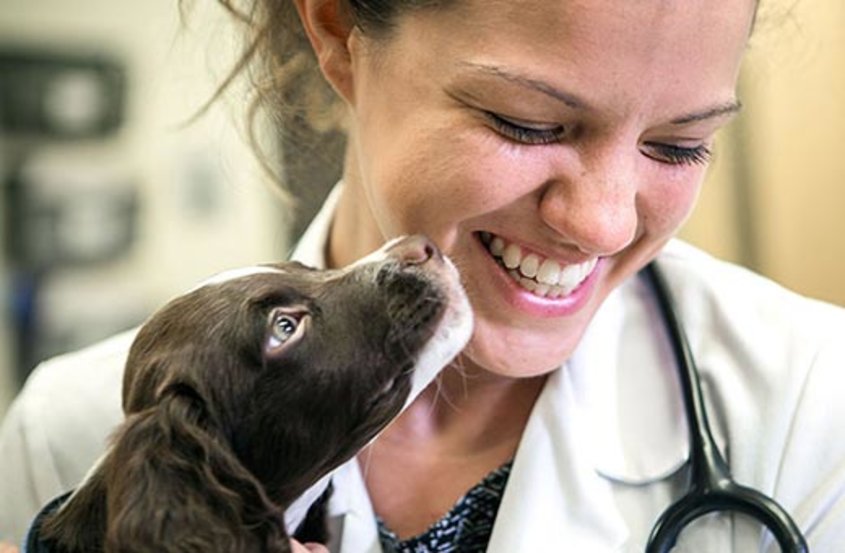
You see the impact of animal hospitals every day, even if you do not notice it. These clinics do more than treat a sick pet. They hold together the safety net that protects animals in your community. An animal hospital in Bedford, for example, does three hard things at once. It gives urgent care, supports routine health, and works with shelters and rescue groups. This mix keeps animals out of pain. It also eases strain on families who are already stressed. Many hospitals run low cost vaccine days, help control disease, and guide owners through hard choices. Some offer quiet support when you face end of life care. Each service protects both animals and people. When you look closer, you see that animal hospitals are not just medical centers. They are anchors for community animal welfare.
How Animal Hospitals Protect Community Health
Animal hospitals protect both pets and people. You feel this most during a crisis. A sudden injury. A strange cough. A bite. In those moments, you need fast help and clear answers.
Animal hospitals do three key things for public health.
- They stop the disease before it spreads.
- They treat urgent problems that could harm people.
- They teach you how to keep your home safe.
Vaccines for rabies, distemper, and parvo are not just for pets. They protect children, older adults, and your neighbors. The Centers for Disease Control and Prevention explains that strong rabies control in pets is one reason human rabies is now rare in the United States. That safety comes from steady work inside animal hospitals.
Everyday Care That Prevents Suffering
Routine care may feel small. A yearly exam. A stool check. A talk about diet. Yet this care stops slow, hidden problems before they explode into emergencies.
In a single visit, your animal hospital can
- Check weight, teeth, skin, and joints
- Test for heartworm and other parasites
- Update vaccines and parasite preventives
- Review behavior changes at home
Each step cuts the risk of pain, infection, and early death. Each step also cuts the cost you face later. Prevention costs less than surgery. It costs less than long hospital stays. It also keeps animals present and stable in their homes, which helps local shelters stay open for the hardest cases.
Partners To Shelters And Rescue Groups
Animal hospitals stand beside shelters, not apart from them. This shared work keeps homeless animals from falling through the cracks.
Hospitals often
- Provide spay and neuter surgery for shelter pets
- Give vaccines and microchips before adoption
- Offer treatment for injury, neglect, or cruelty cases
- Advise on disease outbreaks in crowded shelter spaces
The American Veterinary Medical Association reports that most households now share life with at least one pet. This demand puts pressure on shelters. Animal hospitals ease that pressure through medical support, staff training, and shared planning. This quiet teamwork saves lives that you never see on the news.
Support For Families During Hard Times
Pet health is family health. When a pet is sick, your sleep, work, and mood suffer. Money worries can grow fast. Animal hospitals face this reality every day and respond with steady care.
Many hospitals now offer
- Payment plans or links to aid groups
- Clear cost estimates before treatment
- Low-cost vaccine or spay and neuter events
- Grief support after loss
This support helps you make choices based on care, not panic. It also lowers surrender rates. When families can keep their pets, shelters see fewer drop-offs, and communities stay more stable.
Education That Reaches The Whole Community
Animal hospitals also teach. They explain what your pet needs in plain words. They share guidance with schools, shelters, and local leaders.
Common outreach efforts include
- School visits on safe pet handling
- Workshops on bite prevention
- Q and A sessions about new diseases or parasites
- Fact sheets in waiting rooms and online
This simple education prevents bites, reduces fear, and supports kind treatment of animals. It also builds trust between residents and local health workers, which matters when a crisis hits.
What Animal Hospitals Do: A Simple Comparison
| Service Type | Common Example | How It Helps Your Pet | How It Helps Your Community |
|---|---|---|---|
| Preventive care | Yearly exam and vaccines | Catches disease early and cuts suffering | Lowers the spread of disease and clinic crowding |
| Urgent and emergency care | Treatment for injury or sudden illness | Protects life and reduces lasting damage | Reduces trauma for families and shelter surrender |
| Shelter and rescue support | Spay, neuter, and medical care for strays | Gives adoptable pets a stronger start | Controls overpopulation and street animals |
| Public health work | Rabies vaccine and bite checks | Protects pets from deadly disease | Prevents human infection and fear after bites |
| Family support | Cost talks and grief support | Guides you through hard choices | Stabilizes homes and protects mental health |
How You Can Support Community Animal Welfare
You play a direct role in this shared work. Your choices today shape the health of animals and people around you.
You can
- Keep regular checkups at your animal hospital
- Stay current on vaccines and parasite prevention
- Spay or neuter your pets
- Ask your veterinarian about low-cost options if you feel stuck
- Respect leash laws and clean up after your pets
Each action protects more than one life. It supports your pet, your family, and your neighbors. It also gives your animal hospital the steady base it needs to keep leading this quiet, steady work for community animal welfare.