
3 Key Advantages Of Relying On A General Veterinarian
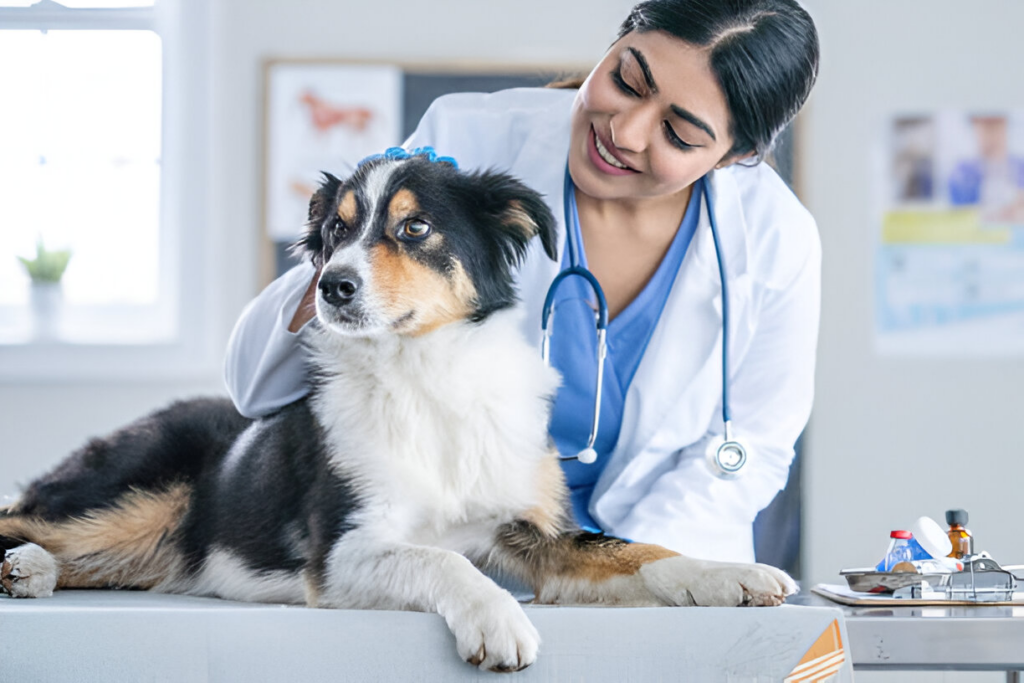
You want your animal safe, comfortable, and heard. You also want clear answers without pressure. A general veterinarian gives you that steady anchor. This blog explains 3 key advantages of relying on a trusted North Calgary vet for routine visits and urgent concerns. You will see how one clinic that knows your animal’s history can catch problems early, guide treatment, and support you through hard moments. You will also see how regular care with the same team can lower costs, reduce stress for your animal, and give you faster help when something feels wrong. Finally, you will learn how a general vet coordinates with specialists when needed, so you are not left alone to sort through confusing choices. You deserve clear guidance. Your animal deserves a calm, skilled team that understands both medical facts and your daily reality.
1. A General Vet Knows Your Animal’s Story
When you stay with one general vet, you build a shared story. That story protects your animal.
Your vet keeps records of:
- Vaccines and parasite control
- Past injuries and surgeries
- Food, weight, and behavior changes
- Allergies and drug reactions
Over time, patterns appear. A small change that might seem minor can stand out when your vet compares it to last year’s visit. According to the American Veterinary Medical Association, routine checkups help catch trouble early, when treatment is easier and less harsh.
This long view helps your vet:
- Notice slow weight gain or loss
- Spot early joint pain or dental pain
- Track chronic issues like skin problems
Most of all, your vet learns how your animal acts when well. Then even small shifts stand out. You do not have to repeat your story at every visit. You can focus on what changed since last time.
2. General Care Can Lower Stress And Costs
Sticking with one general vet can reduce stress for you and for your animal. It can also protect your budget.
Your animal feels the room, smells, and voices. A known clinic and team can calm a scared dog or cat. That calm visit helps your vet do a better exam. It also helps you share details without feeling rushed.
Routine care with a general vet often costs less than urgent or specialist visits. Regular exams and simple tests can stop small problems from turning into crises that need emergency rooms or long hospital stays. The Centers for Disease Control and Prevention also remind owners that regular vet care protects both animals and people from shared diseases.
Here is a simple comparison of general care and emergency or specialist care.
| Type of Care | When You Use It | Typical Cost Level | Stress Level For Animal | Who Knows The History |
|---|---|---|---|---|
| General Vet (Primary Care) | Routine exams, vaccines, mild illness, follow up | Lower | Lower | One team that knows the full story |
| Emergency Clinic | Severe injury, sudden breathing trouble, heavy bleeding | Higher | Higher | New team that may not know your animal |
| Specialist | Complex heart, eye, cancer, or surgery cases | Higher | Medium | Uses records sent from your general vet |
You still need emergency and specialist care at times. A general vet does not replace them. Instead, your general vet helps you avoid some crises and prepares you when a crisis hits.
To control costs, you can ask your general vet to:
- Explain which tests are most urgent
- Plan care in steps, starting with the basics
- Help you understand long term costs for chronic diseases
Clear planning lowers fear. It also helps you choose care that fits your money limits and your animal’s needs.
3. Your General Vet Guides You Through Specialists
Some problems need a specialist. Heart disease, complex fractures, cancer, and rare nerve issues often need extra training and tools. You should not have to face that maze alone.
Your general vet can:
- Spot when a problem is beyond routine care
- Suggest the right type of specialist
- Send records, test results, and history to that specialist
- Help you understand the specialist’s plan
This team approach protects your animal from gaps in care. Your general vet stays involved, handles follow up, and watches how your animal responds over time. You avoid repeating tests when possible and reduce mixed messages.
Here is how this partnership often works.
| Step | Role Of General Vet | Role Of Specialist |
|---|---|---|
| 1. First Concern | Examines your animal. Runs basic tests. Rules out common causes. | Not yet involved. |
| 2. Referral | Explains why a referral helps. Sends full records and questions. | Reviews records before the visit. |
| 3. Specialist Visit | Stays in contact if needed. | Performs advanced tests. Sets a focused treatment plan. |
| 4. Ongoing Care | Handles daily care, refills, and checkups. | Rechecks as needed and adjusts the plan. |
You gain a clear chain of support. Your animal gains a safety net that covers both complex treatment and daily needs.
How To Get The Most From Your General Vet
You can strengthen this partnership with a few simple habits.
- Book yearly exams. For older animals, ask if twice a year is better.
- Bring a list of concerns, even small ones.
- Share any changes in food, water, bathroom habits, or behavior.
- Ask for a plain language summary of the visit.
- Keep copies of key records and lab reports.
You do not need to wait for a crisis. If something feels wrong, call your general vet. Early contact can prevent pain and fear for your animal.
Bottom Line
Relying on a general veterinarian gives you three core strengths. You gain a team that knows your animal’s story. You reduce stress and control costs through steady routine care. You also receive a guide who stands with you when specialist care is needed.
Your animal depends on you. You deserve clear support from a trusted general vet who stands with you through every stage of that animal’s life.