
3 Reasons Your Pet Benefits From Routine Lab Work
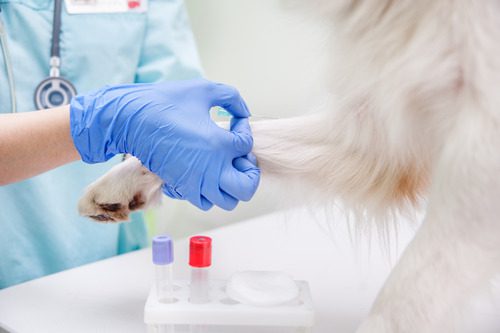
You watch your pet closely. You notice small changes in sleep, play, or appetite. Still, many hidden problems grow in silence. Routine lab work gives you a clear view inside your pet’s body before sickness takes control. It turns guesswork into facts. It uncovers early kidney strain, liver trouble, infection, and blood sugar changes long before obvious signs show. Then you and your veterinarian in Northern San Diego can act fast, plan treatment, and protect your pet’s comfort. Routine tests also create a baseline. Future results can be compared to this “normal,” so even tiny shifts stand out. That means fewer surprises, fewer crises, and more control for you. This blog shares three clear reasons to schedule routine lab work now, not later. You will see how simple blood and urine tests support longer life, steadier energy, and a safer path through every stage of your pet’s life.
Reason 1: Lab work finds silent disease early
Many common problems in pets start quietly. The organs keep working. Your pet keeps eating and playing. The damage grows in the dark.
Routine lab work shines a light on this hidden damage. Common tests include:
- Complete blood count to check red cells, white cells, and platelets
- Chemistry panel to check kidney, liver, and electrolytes
- Urinalysis to check kidney function, infection, and crystals
- Thyroid test for older cats and dogs with weight or mood changes
Each test tells a clear part of the story. Together, they show patterns that you cannot see from the outside. For example, a normal appetite can hide early kidney strain. A normal walk can hide slow joint inflammation. A normal mood can hide blood sugar swings.
The U.S. Food and Drug Administration explains that routine blood tests help track organ function and detect disease before signs appear. You can read more about how vets use blood tests at the FDA’s pet health page at https://www.fda.gov/animal-veterinary/animal-health-literacy/what-you-should-know-about-your-pets-blood-work.
Here is a simple look at how early lab work can change your pet’s path.
| Condition | Without routine lab work | With routine lab work |
|---|---|---|
| Kidney disease | Often found after weight loss and thirst. Organs already weak. | Found when values just start to rise. Diet changes can slow damage. |
| Diabetes | Found after accidents in the house and big weight change. | Found when blood sugar edges up. Early care can limit crises. |
| Liver trouble | Found after vomiting or yellow gums. | Found when enzymes rise. Toxins and drugs can be adjusted. |
| Thyroid disease | Found after heart strain or behavior shifts. | Found at first hormone change. Medicine can protect the heart. |
Early knowledge gives you three strong gifts. You gain time to act. You gain more options. You gain a better chance to keep your pet at home and out of the emergency room.
Reason 2: Baseline results guide every future visit
One set of lab results is helpful. A line of results over months or years is powerful. That line is called a baseline trend.
When your pet is young and seems healthy, routine lab work creates that baseline. The numbers on the report become your pet’s personal “normal.” Not every pet fits the textbook. Some have kidney values near the high end yet stay stable for years. Others have liver values near the low end yet stay steady. Your vet needs to know what is normal for your pet, not just what is normal on a chart.
Later, new test results can be compared to that baseline. Even a small change can warn of trouble. For example:
- A slow rise in kidney values over two years
- A small drop in red blood cell count over several tests
- A new trace of protein or blood in urine that was once clear
Each shift might seem minor if you see it once. In contrast, a pattern over time signals real stress inside the body. That pattern can guide your vet to repeat tests, change food, add supplements, or adjust medicine before your pet feels sick.
The American Veterinary Medical Association stresses the value of routine wellness visits and lab work to create baselines and catch disease early. You can see their guidance for pet owners at https://www.avma.org/resources/pet-owners/petcare/general-pet-care.
Here is how baseline testing supports long term decisions.
- For puppies and kittens Routine tests confirm safe growth, rule out hidden infection, and guide vaccine timing.
- For adult pets Baselines help explain new weight changes, thirst, or mood shifts.
- For senior pets Trends show how fast organs are aging and when to adjust pain control, diet, or activity.
You gain a record that follows your pet through every life stage. That record speaks clearly even when your pet cannot.
Reason 3: Routine lab work can lower cost and stress
Many people fear lab work because they expect high cost and hard news. The truth is often the opposite. Routine tests can cut long term cost and deep stress.
First, early care usually costs less than emergency care. A bag of special food, a simple medicine, or a short recheck visit often costs less than an overnight stay with fluids and close monitoring. Second, early answers prevent long weeks of worry. You do not need to guess if your pet’s slowed play is “just age” or a warning sign. You know.
Routine lab work also supports safer use of common medicines. Some drugs for pain, seizures, or behavior need regular checks of liver and kidney values. Without these checks, your pet can suffer quiet organ damage. With them, your vet can adjust doses or switch drugs before harm occurs.
Here is a simple comparison.
| Approach | Short term effect | Long term impact |
|---|---|---|
| No routine lab work | Lower cost today. Less time at the clinic. | Higher risk of late diagnosis, crisis visits, and painful surprises. |
| Yearly lab work for healthy adult pets | Small planned cost. Short visit for samples. | Better chance to prevent crises, plan care, and control total cost. |
| Twice yearly lab work for seniors or sick pets | More frequent checks. Closer watch on change. | Better comfort, safer use of drugs, and fewer emergency visits. |
You also protect your own heart. Sudden loss leaves deep regret. Many people look back and wish they had checked sooner. Routine lab work cannot stop every illness. It can give you the peace of knowing you did not wait in the dark.
How to talk with your vet about lab work
You do not need to know every test name. You only need to ask clear questions and share your goals for your pet.
Use these three steps at your next visit.
- Ask which lab tests fit your pet’s age, breed, and health.
- Ask how often tests are needed and how results will be used.
- Ask what changes at home should trigger extra testing.
You can bring a short written list of your pet’s recent changes. Include sleep, appetite, thirst, weight, mood, and any new lumps or bumps. That simple list, paired with routine lab work, gives your vet a clear map.
Your pet counts on you to notice signs and to speak up. Routine lab work gives you the facts to back that care. It supports longer life, steadier comfort, and fewer harsh surprises for both of you.