
4 Myths About Dental Implants Debunked By Experts
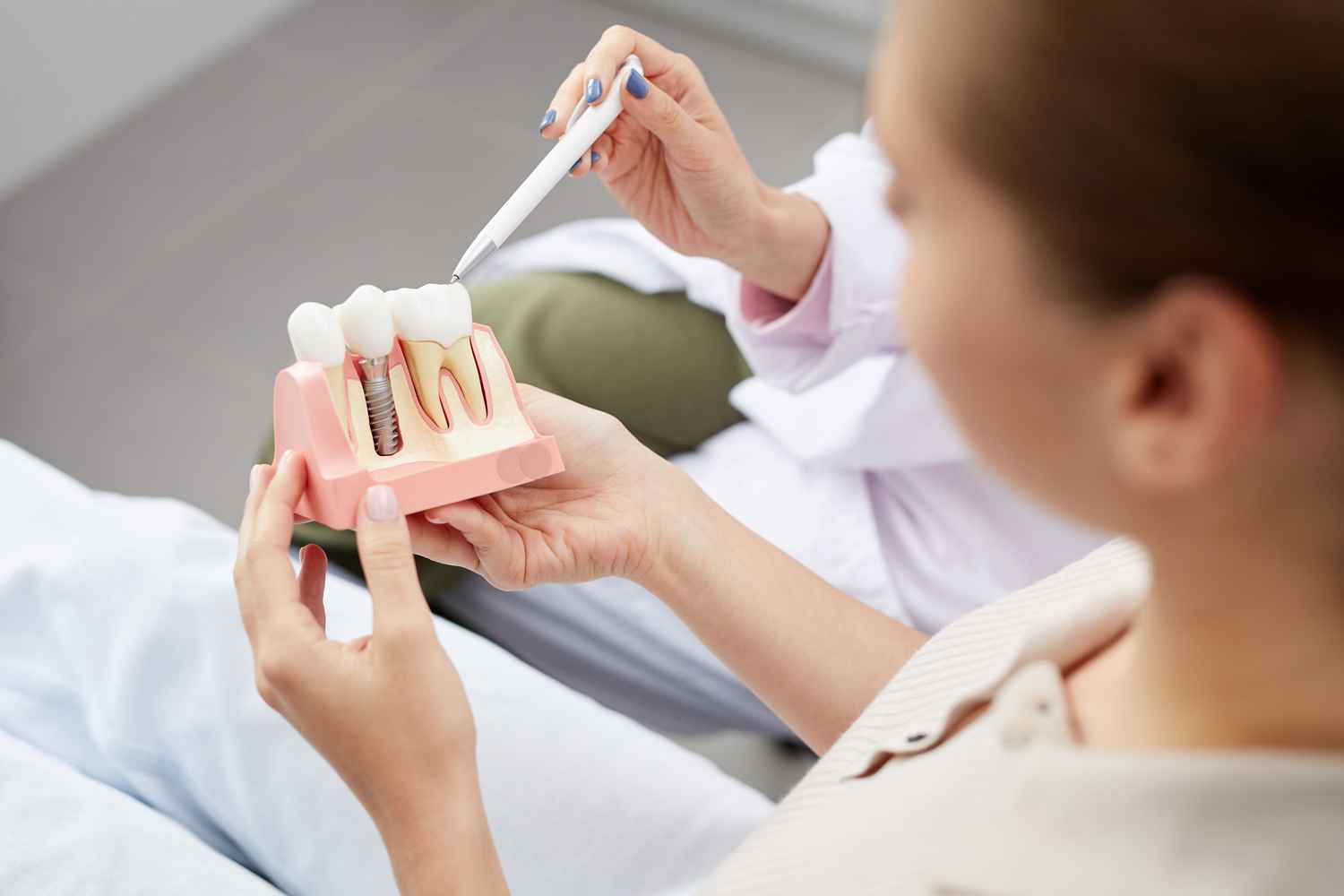
Dental implants can feel scary. You hear stories about pain, long recovery, and huge bills. You may worry you waited too long, or that your health problems rule you out. These thoughts can freeze you in place and keep you from fixing your teeth. This blog cuts through those fears. It shares what a periodontist in West Houston and other specialists see every day with real patients. You will see which common beliefs are true and which are flat-out wrong. You will also learn what to expect before, during, and after treatment. You deserve clear answers, not guesswork or pressure. When you understand the facts, you can choose the best path for your mouth, your body, and your budget. Let us start by exposing four myths that cause the most confusion and regret.
Myth 1: “Dental implants hurt too much”
Pain fear is strong. It keeps many people from care for years. Yet most patients say the implant visit felt easier than a tooth removal.
Here is what you can expect.
- You receive numbing medicine in the gum.
- You stay awake, but you should feel pressure, not sharp pain.
- You go home the same day with clear steps for care.
You may feel soreness for a few days. Simple pain pills and cold packs often control this. You can eat soft food and return to normal life fast. According to the National Institute of Dental and Craniofacial Research, most people heal well when they follow care steps and keep the mouth clean.
Fear grows in silence. When you ask your dentist or surgeon about pain control, you take that fear apart. You can also plan extra support at home for the first day. That support brings comfort and lowers stress.
Myth 2: “I am too old for dental implants”
Many older adults think implants are only for younger people. That belief is false. Age alone does not rule you out.
What matters is your health and your jawbone. Your care team will look at:
- Blood pressure and heart health
- Diabetes control
- Smoking history
- Bone strength in your jaw
Research shows that healthy adults in their 70s and 80s often do well with implants. The key is good planning and close follow up. You may need extra steps to build up your bone. You may also need tighter blood sugar control before surgery. These steps help your body heal.
Missing teeth can affect chewing, speech, and social life at any age. When you restore teeth, you can eat more foods, keep your jaw strong, and smile without dread. That change supports your health and your peace of mind.
Myth 3: “Dental implants always fail”
You may hear stories about implants that came loose or infected gums. Those stories are real, but they are not the full picture.
With proper planning and care, implants have high success rates. Studies shared by university dental schools report success for most patients over many years. One key factor is your daily home care. Another is regular cleanings and checks. For example, the American Dental Association’s MouthHealthy site stresses brushing, flossing, and checkups for long term results.
Here is a simple comparison to help you see how implants stack up against other tooth replacement options.
| Option | How it stays in place | Helps protect jawbone | Common lifespan with good care | Daily care needs |
|---|---|---|---|---|
| Single dental implant with crown | Post in jawbone | Yes | 10 years or more | Brush and floss like a natural tooth |
| Fixed bridge | Cemented to nearby teeth | No | 5 to 10 years | Extra cleaning under bridge |
| Removable partial denture | Clips to teeth | No | 5 years or more | Remove and clean daily |
| Full removable denture | Rest on gums | No | 5 to 7 years | Remove, soak, and clean daily |
No tooth option lasts forever. Yet implants stand out because they join with bone. This bond helps protect your jaw from shrinking after tooth loss.
Failure risk rises with smoking, poor oral care, and missed visits. You can lower that risk when you quit smoking, brush and floss each day, and see your dentist as planned. You and your care team share control of success.
Myth 4: “Dental implants cost too much for normal people”
Cost fear is real. Many people shut down the idea without asking for numbers or options. This can lead to more tooth loss, gum disease, and higher costs later.
Here are cost truths that many patients do not hear.
- Implants often cost more at the start, but they may last longer than bridges or dentures.
- Some plans cover part of the crown or part of the surgery.
- Many clinics offer payment plans so you can spread costs over time.
You can also compare long term costs. A bridge may need to be replaced more than once. Dentures may need relines and new sets as the jaw changes. Each change adds to the total over your lifetime. When an implant stays strong, it can reduce repeat work and repeat cost.
Here is a simple way to think about it. You can ask your dentist for a written plan that lists:
- All steps you need
- Fees for each step
- What your plan pays, if you have coverage
- What you would pay out of pocket
You can then compare this to the cost of a bridge or denture over ten years. Clear numbers remove guesswork and fear.
How to decide if dental implants are right for you
Myths lose power when you replace them with facts and a plan. You can start with three simple steps.
- Schedule a full exam and share your health history.
- Ask about all tooth replacement options, not just implants.
- Request written costs, timelines, and home care steps.
Trust grows when your questions are welcome and answered in plain words. If you feel rushed or confused, you can seek a second opinion. Your teeth affect how you eat, speak, and relate to people you love. You deserve clear facts and steady support, not fear and delay.