
Why Preventive Dentistry Is The Secret To Long Term Cosmetic Success
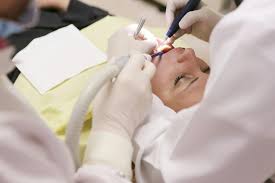
You want a bright, steady smile that lasts. Cosmetic work can help, but it will not stand strong without a healthy base. Preventive dentistry is that base. It guards your teeth before problems spread. It also protects the money and time you already spent on whitening, bonding, or veneers. Routine cleanings, exams, and simple home care stop quiet damage that can crack, stain, or loosen cosmetic work. Regular checkups let your Annapolis family dentist spot small changes early. This includes tiny chips, gum swelling, or bite issues. Early care means quick fixes instead of large repairs. Preventive dentistry also lowers pain, fear, and surprise bills. You gain control. You keep your real teeth longer. You stretch the life of every cosmetic treatment. In this blog, you will see how small habits, steady visits, and honest talks with your dentist protect both health and beauty.
Cosmetic Dentistry Needs A Strong Foundation
Cosmetic care changes how your smile looks. Crowns, veneers, bonding, and whitening can hide stains and repair chips. They cannot cure tooth decay or gum disease. If decay grows under a crown, or if gums pull away from a veneer, the work fails. You pay twice. You also face pain and infection.
First, you need healthy teeth and gums. Your dentist checks for decay, weak enamel, gum pockets, and bite problems. Then cosmetic plans sit on a clean, stable base. This order matters. You would not paint rotten wood. You should not place veneers on decayed teeth.
Preventive dentistry keeps that base strong every year. It turns cosmetic work from a short fix into a long term success.
How Prevention Protects Your Cosmetic Work
Preventive care includes three simple parts.
- Home care every day
- Routine dental visits
- Early care for small problems
First, home care. You brush twice a day with fluoride toothpaste. You clean between teeth once a day. You limit sugary drinks and snacks. These steps cut plaque and acid that eat enamel and stain bonding or veneers.
Next, routine visits. A professional cleaning removes hardened plaque that brushing misses. A dentist or hygienist checks your gums, teeth, and existing cosmetic work. They look for loose edges, rough spots, and early color change.
Finally, early care. When your dentist sees a small cavity near a veneer, or gum redness around a crown, they treat it fast. You avoid root canals, extractions, and full replacement of cosmetic work.
The science supports this. The Centers for Disease Control and Prevention reports that untreated decay and gum disease remain common. Both conditions damage natural teeth and shorten the life of restorations like crowns and fillings. Prevention fights that damage before it touches your cosmetic work.
Numbers That Show Why Prevention Matters
You may wonder how much prevention really changes outcomes. Here is a simple comparison based on common clinical patterns for adults with cosmetic work.
| Care Pattern Over 10 Years | Average Dental Visits Per Year | Common Outcomes | Estimated Major Repairs |
|---|---|---|---|
| Strong preventive care | 2 cleanings and exams | Small fillings, minor polish of veneers, stable gums | 0 to 1 major repair of crowns or veneers |
| Irregular care | 1 visit or less | More decay, gum loss, stain around cosmetic work | 2 to 3 major repairs or replacements |
| Crisis only care | Visits only for pain | Infections, cracked teeth, lost restorations | 3 or more major repairs, extractions more likely |
This table does not show exact numbers for every person. It shows a pattern seen in many patients. Regular cleanings and exams cut the number of large repairs. They also protect your comfort and your budget.
Key Preventive Habits That Support Cosmetic Results
You do not need complex routines. You need steady habits.
- Brush twice a day with fluoride toothpaste
- Use a soft brush to protect enamel and cosmetic surfaces
- Clean between teeth once a day with floss or interdental cleaners
- Rinse with a fluoride or alcohol free mouthwash if your dentist suggests it
- Limit sugary drinks and sticky snacks
- Drink water during and after meals
You should also protect your teeth from force. If you grind or clench, ask about a night guard. Grinding can chip veneers, crack crowns, and wear natural teeth. A simple guard often prevents that harm.
The National Institute of Dental and Craniofacial Research explains that daily brushing and cleaning between teeth, along with regular dental visits, lower tooth loss and gum disease risk across life stages.
Children, Teens, And Family Cosmetic Goals
Preventive dentistry helps your whole family. It also shapes future cosmetic needs.
For children, sealants and fluoride protect growing teeth. Fewer cavities now mean fewer fillings later. Fewer fillings mean stronger teeth for whitening or bonding when they are older. Straight teeth are easier to clean. Early orthodontic checks can prevent crowded smiles that stain or wear unevenly.
For teens, sports guards protect teeth from hits. One hit can break a front tooth and lead to crowns for life. A simple guard cuts that risk.
For adults, clean gums support bridges, implants, and dentures. When gums stay healthy, these restorations last longer and look better. Your smile stays even. Your bite stays strong.
Planning Cosmetic Work With Prevention In Mind
Before you start cosmetic treatment, talk with your dentist about a prevention plan. Ask clear questions.
- What do I need to fix first to protect this work
- How often should I schedule cleanings and exams
- What home care steps matter most for my type of treatment
- What signs should make me call you right away
Then keep your plan in writing. Place it near your bathroom sink. Share it with family so they support your habits. Treat every cleaning visit as part of your cosmetic treatment, not as a separate task.
Take Control Of Your Smile’s Future
Cosmetic dentistry can boost your confidence. Preventive dentistry keeps that confidence steady. You protect what you already paid for. You avoid painful surprises. You keep choices open as you age.
You do not need perfect teeth to start. You only need a choice to protect what you have. Small daily steps and regular visits build a strong base. That base holds your cosmetic work for years. Your smile tells your story. Make that story one of steady care, not crisis repair.