
Why Pet Owners Trust General Veterinarians For Everyday Needs
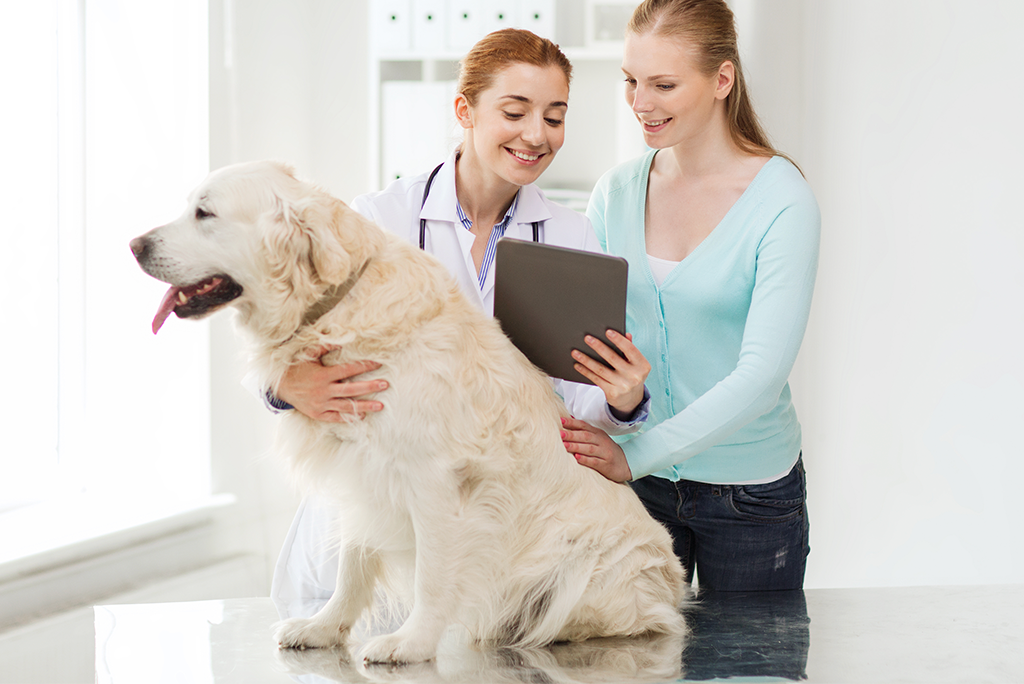
You love your pet. You watch every change. You notice small limps, new lumps, odd smells, and quiet moods. You need someone who sees those details and treats them as urgent. That is why you turn to your general veterinarian. This trusted clinic is your first stop for answers, comfort, and clear next steps. Your veterinarian knows your pet’s history. Your veterinarian tracks vaccines, weight, diet, and behavior. Your veterinarian spots patterns that you might miss. Eaton Rapids animal health services build this trust visit by visit. Routine exams, basic tests, and simple treatments protect your pet from slow damage. They keep small problems from turning into emergencies. You do not have to guess. You can ask hard questions. You can share fears without shame. Your veterinarian listens, explains, and acts. That steady care is why pet owners depend on general veterinarians for everyday needs.
Your General Veterinarian Is Your First Line Of Protection
You see your general veterinarian for most needs. You go there for vaccines, ear infections, sore joints, and stomach upset. You also go there when something just feels off.
Your veterinarian helps you by
- Checking your pet from nose to tail at regular visits
- Catching early signs of pain, disease, or stress
- Giving clear steps you can follow at home
The American Veterinary Medical Association explains that routine exams help find disease before it becomes severe. Early care reduces suffering. It also lowers costs over time.
Everyday Needs Your General Veterinarian Handles
Most pets never need a specialist. They need steady, simple care from a clinic that knows them well. Your general veterinarian covers three main needs.
1. Prevention And Wellness
- Vaccines for rabies, distemper, and other diseases
- Heartworm tests and year round prevention
- Flea and tick control
- Spay and neuter surgery
- Nutrition and weight guidance
The Centers for Disease Control and Prevention stresses that vaccines and parasite control protect both pets and people.
2. Common Illness And Injury
- Skin infections and hot spots
- Ear infections
- Upset stomach and vomiting
- Mild injuries and wounds
- Short term pain or limping
Your veterinarian can run simple tests. Your veterinarian can treat most of these problems in the clinic. You leave with a plan you can follow.
3. Ongoing Conditions
- Arthritis
- Diabetes
- Thyroid problems
- Heart disease that is stable
- Chronic skin problems
Your veterinarian adjusts medicine, diet, and exercise. You get one point of contact who tracks changes over months and years.
When A General Veterinarian Is Enough And When You Need More
You may wonder when a general veterinarian is the right choice and when a specialist or emergency clinic is better. The table below gives a quick guide.
| Need | General Veterinarian | Specialist Or Emergency Clinic |
|---|---|---|
| Routine vaccines and wellness exams | Yes. Best first choice | No. Not needed |
| Mild skin, ear, or stomach issues | Yes. Often handled in one visit | Only if problem does not improve |
| Chronic conditions such as arthritis or diabetes | Yes. Can manage and monitor | Sometimes for complex or rare cases |
| Sudden collapse, trouble breathing, heavy bleeding | Call first. May refer to once | Yes. Go to emergency care at once |
| Cancer that needs advanced treatment | Yes. For first tests and guidance | Yes. For advanced surgery or chemo |
| Dental cleanings and simple extractions | Yes. Often handled in clinic | Needed only for complex jaw or bone issues |
Your general veterinarian knows when your pet needs more. You do not have to decide alone. You start at the clinic you trust. You get clear advice about the next step.
Why Trust Grows With One Main Clinic
Trust grows when one team sees your pet again and again. That steady link helps in three ways.
- History. Your veterinarian knows what is normal for your pet. Sudden change stands out fast.
- Safety. Your clinic knows past reactions to drugs, vaccines, or foods. That reduces risk.
- Comfort. Your pet learns the smells and sounds of the clinic. Fear often fades with time.
You also gain confidence. You know how the staff talks. You know what things cost. You know how to reach them after hours. That cuts panic when something scares you.
How To Work With Your General Veterinarian
You play a strong role in your pet’s care. You can make each visit count.
- Write down questions before the visit
- Bring a list of your pet’s food, treats, and medicines
- Share even small changes in sleep, play, or bathroom habits
- Ask what signs should trigger a call or urgent visit
- Schedule the next checkup before you leave
Honest talk builds respect. Your veterinarian cannot read your mind. Clear words from you help your pet.
Everyday Care That Protects Your Whole Family
General veterinarians protect more than pets. They also guard the people who live with them. Many infections can pass between animals and humans. Regular exams, vaccines, and parasite control lower that risk.
Routine care may feel simple. It is not small. It guards comfort, safety, and peace in your home. When you walk into your general veterinary clinic, you bring worry. You leave with a plan. That steady support is why pet owners trust general veterinarians for everyday needs.