
Why Animal Hospitals Are Equipped For Complex Diagnostics
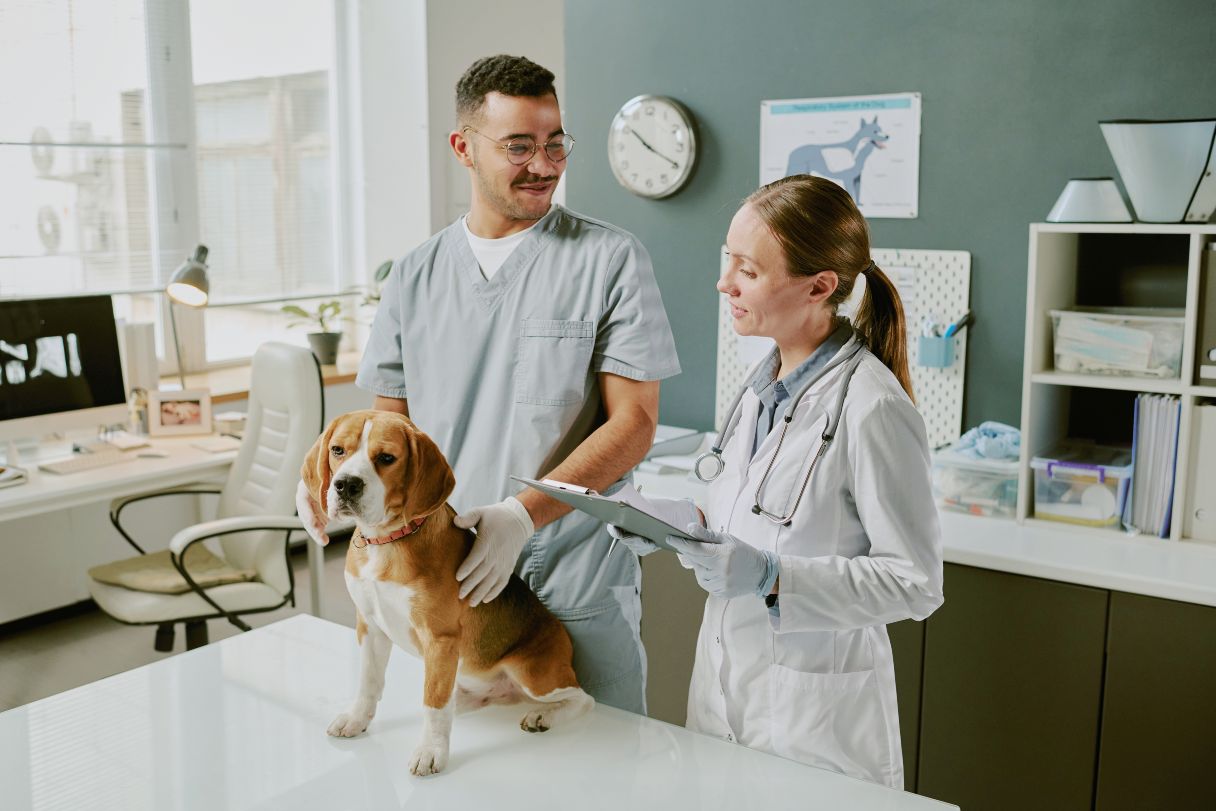
You know when something feels off with your pet, but you cannot tell what it is. They stop eating, limp without a clear injury, breathe differently, or just seem quieter than usual. That kind of change sits with you. You watch closely, second guess yourself, and hope it passes. When it does not, you need more than a basic exam from a veterinarian in Lake Forest, CA. You need answers that are clear, fast, and grounded in real evidence.
That is why animal hospitals are built for more than routine care. They are set up to investigate hard cases, sort through vague symptoms, and find problems that do not show up on the surface. Advanced veterinary diagnostics can reveal fractures, internal bleeding, organ disease, tumors, infections, and nerve issues that a physical exam alone cannot confirm. The goal is simple. Find the cause, choose the right treatment, and avoid losing time on guesswork.
Animal hospitals are designed to handle diagnostic uncertainty
A regular checkup can catch many common issues, but some problems hide well. A dog with belly pain may have swallowed a toy, developed pancreatitis, or be dealing with a mass. A cat that loses weight may have thyroid disease, diabetes, cancer, or kidney trouble. The signs overlap, and that is where stress builds. You are worried, your pet is uncomfortable, and every hour without a clear answer feels longer than it should.
An animal hospital is equipped for this kind of uncertainty because it brings several tools and specialists into one place. Bloodwork, urinalysis, ultrasound, X rays, CT scans, MRI, and pathology all help narrow the possibilities. Many hospitals also have teams trained to read those results in context, including radiologists, internists, surgeons, and emergency clinicians. If one result points in a new direction, the next step can happen quickly.
This matters because symptoms do not always tell the full story. Limping can mean a soft tissue strain, but it can also point to a bone lesion. Coughing can be kennel related irritation, but it can also signal heart disease or fluid in the lungs. Seizures may come from toxin exposure, metabolic disease, or a structural brain problem. Without imaging or lab testing, treatment can become trial and error, and that often costs more time, more money, and more suffering.
Diagnostic imaging gives veterinarians a view they cannot get from an exam alone
One of the biggest reasons an animal hospital diagnostic center can manage complex cases is imaging. X rays help identify fractures, chest disease, and some intestinal blockages. Ultrasound shows soft tissue structures in motion, which helps with abdominal pain, pregnancy, heart concerns, and organ changes. CT and MRI go deeper when the case involves the skull, spine, joints, nasal passages, or brain.
You can see how these tools are used through diagnostic imaging services in a veterinary teaching hospital. The value is not only the equipment itself. It is the ability to pair that equipment with trained interpretation. A blurry picture or a subtle finding means very little without someone who knows what to look for.
That same principle applies to lab testing. A sample may need culture, toxicology, pathology, or molecular testing. In some cases, veterinarians work with specialized labs, including USDA animal health laboratory resources, to confirm infectious disease, support surveillance, or investigate unusual results. When a case is rare or severe, that extra layer of testing can change the treatment plan completely.
Complex diagnostics reduce guesswork and protect your pet from the wrong treatment
It is easy to think diagnostics add cost, and they do, but missed diagnosis has a cost too. If a pet is treated for stomach upset when the real problem is an obstruction, the delay can become dangerous. If back pain is assumed to be arthritis but the cause is a disc problem pressing on the spinal cord, waiting can lead to worse damage. If a lump is treated like inflammation without cytology or biopsy, cancer may keep growing quietly.
This is where a full service veterinary hospital earns its value. The point is not to order every test. The point is to choose the right test based on the symptoms, exam findings, and risk level. Good diagnostics are targeted. They help rule in what fits and rule out what does not.
| Situation | Basic Approach Only | Animal Hospital Diagnostic Approach |
|---|---|---|
| Vomiting with abdominal pain | Symptom relief and monitoring | Bloodwork, X rays, ultrasound to check for blockage, pancreatitis, or organ disease |
| Limping that does not improve | Rest and pain medication | Orthopedic exam, radiographs, possible CT to assess fracture, ligament injury, or bone disease |
| Seizures or sudden neurologic changes | Supportive care only | Lab testing, blood pressure, advanced imaging, and specialist review to find metabolic or brain causes |
| Weight loss with vague symptoms | Diet change and observation | Bloodwork, urinalysis, imaging, and possible biopsy to check for endocrine disease, kidney issues, or cancer |
Practical steps help you use veterinary diagnostics wisely
1. Track the small changes.
Write down when symptoms started, how often they happen, and what has changed in eating, drinking, bathroom habits, movement, and energy. Video can help, especially for coughing, limping, or seizure episodes. Those details guide the first round of testing and reduce wasted time.
2. Ask what each test is meant to rule out.
You do not need a medical lecture. You need a clear reason. Ask whether a test is looking for an emergency, confirming a likely diagnosis, or helping avoid a riskier procedure. That conversation makes the plan feel less overwhelming and helps you prioritize if cost is a concern.
3. Use an animal hospital when symptoms are unclear, severe, or not improving.
If your pet has persistent pain, trouble breathing, repeated vomiting, sudden weakness, seizures, or symptoms that keep returning, basic treatment may not be enough. This is where veterinary diagnostic services can make the difference between managing symptoms and actually finding the cause.
Better answers bring better treatment decisions
When your pet is sick and the signs do not add up, you are not overreacting by wanting stronger diagnostic support. You are responding to the fact that many serious conditions look vague at first. Animal hospitals are equipped for complex diagnostics because pets cannot explain what hurts, and surface symptoms often hide deeper problems.
If your pet’s condition feels unresolved or harder to understand than it should, seek care through an animal hospital that can perform imaging, lab work, and specialist evaluation in one setting. Clear answers lead to better treatment, and your pet deserves that chance.