
6 Tips For Helping Kids Build Confidence In The Dental Chair
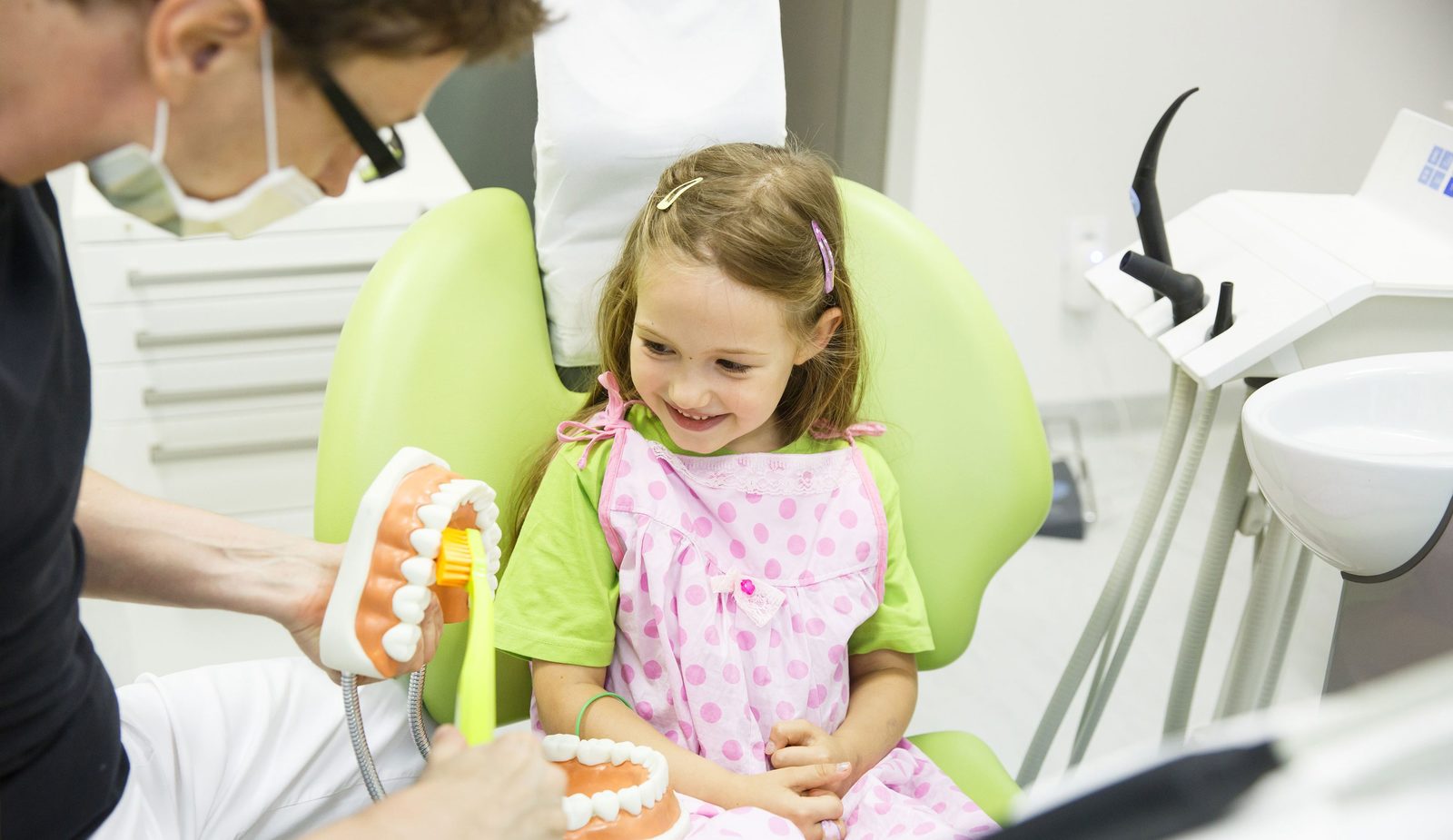
You want your child to feel safe in the dental chair. You also want strong teeth and a calm visit. Both are possible. Many children fear the sound of tools or the sight of a mask. Some remember a rough visit. Others simply fear the unknown. You cannot erase every worry. You can guide your child through it. This blog shares 6 clear steps you can use before, during, and after an appointment. Each step helps your child feel prepared, heard, and in control. These ideas work in any office, including Greenlawn cosmetic dentistry. You will learn how to use simple words, small choices, and steady comfort. You will also see how your own body language shapes your child’s courage. With the right plan, the dental chair can become a place of strength instead of fear.
1. Use simple, honest words before the visit
Your child deserves the truth. Still, your child also needs calm truth. You can describe what will happen in short steps.
- Say what the dentist will do in plain words.
- Skip scary words like “shot” or “drill.”
- Use words like “clean,” “check,” and “count.”
For example, you might say, “The dentist will count your teeth and clean away the sugar bugs.” You do not need long talks. You need clear and steady talks. This helps your child trust you. It also lowers surprise during the visit.
Use this information to answer questions in a calm way.
2. Practice the visit at home
Practice turns fear into something your child can handle. A short “pretend visit” at home can help a great deal.
- Let your child lean back in a chair.
- Count their teeth with a clean spoon handle.
- Use a small mirror so your child gets used to the view.
Next, switch roles. Let your child act as the dentist and you as the patient. This role play gives your child control. It also shows that the dental chair is a place for teamwork, not punishment.
3. Build a simple comfort plan
Your child needs a plan for what to do when fear rises. A comfort plan gives that structure. Keep it short and clear.
Work with your child to choose:
- A signal to pause, such as raising a hand.
- A small comfort item, such as a soft toy.
- A short phrase to repeat, such as “I can do this.”
Share this plan with the dental team at the start of the visit. A good pediatric team respects that signal. This shows your child that adults listen. That sense of control builds confidence over time.
4. Use your body language as a steady anchor
Children watch faces. They copy what they see. If you look tense, your child will feel unsafe. If you stay steady, your child feels more secure.
During the visit:
- Keep your shoulders loose.
- Relax your jaw and hands.
- Use a calm, even voice with few words.
Instead of saying, “Do not be scared,” you can say, “You are doing hard work. I am right here.” Your tone should match your words. This mix of quiet and respect gives your child strength.
5. Offer small choices that give real control
Fear grows when a child feels trapped. Simple choices help your child feel some control without changing the care.
You can let your child choose:
- Which toy to bring?
- Which hand to rest on your arm?
- Which song to listen to during cleaning?
You can also ask the dentist if your child can choose the flavor of toothpaste or fluoride. Many offices offer options. Small choices can turn the visit into a shared project.
Examples of helpful and unhelpful choices
| Choice Type | Helpful Choice | Unhelpful Choice |
|---|---|---|
| Before visit | “Do you want to bring your bear or your car?” | “Do you want to go to the dentist or stay home?” |
| During visit | “Do you want the blue bib or the green bib?” | “Do you want the dentist to clean your teeth?” |
| After visit | “Do you want an apple slice or cheese when we get home?” | “Do you want candy now that you are done?” |
Helpful choices keep the needed care in place. Unhelpful choices suggest that care is optional. That can grow fear and delay treatment.
6. Praise effort after every step
Confidence grows from effort, not from perfection. Your child may cry or grip your hand. Your child may still finish the visit. That effort deserves respect.
After the visit, point out specific actions:
- “You sat in the chair even when you felt scared.”
- “You used your hand signal and then kept going.”
- “You opened your mouth wide so the dentist could help you.”
Avoid labels like “You are so brave” alone. Tie your praise to actions. This teaches your child that courage is something they do, step by step.
Why steady dental visits matter for children
Regular checkups prevent pain and infection. They also keep small problems from turning into large ones. The National Institute of Dental and Craniofacial Research notes that tooth decay is common in children. Yet it is also preventable.
When your child gains confidence in the dental chair, you protect more than teeth. You protect sleep, school days, and self-respect. Each calm visit writes a new story in your child’s mind. The tools stay the same. The story changes from fear to strength.
You cannot remove every hard moment. You can prepare with clear words, shared plans, and steady praise. With these six steps, you help your child face the dental chair with growing courage each time.