
The Role Of General Dentistry In Supporting Cosmetic Transformations
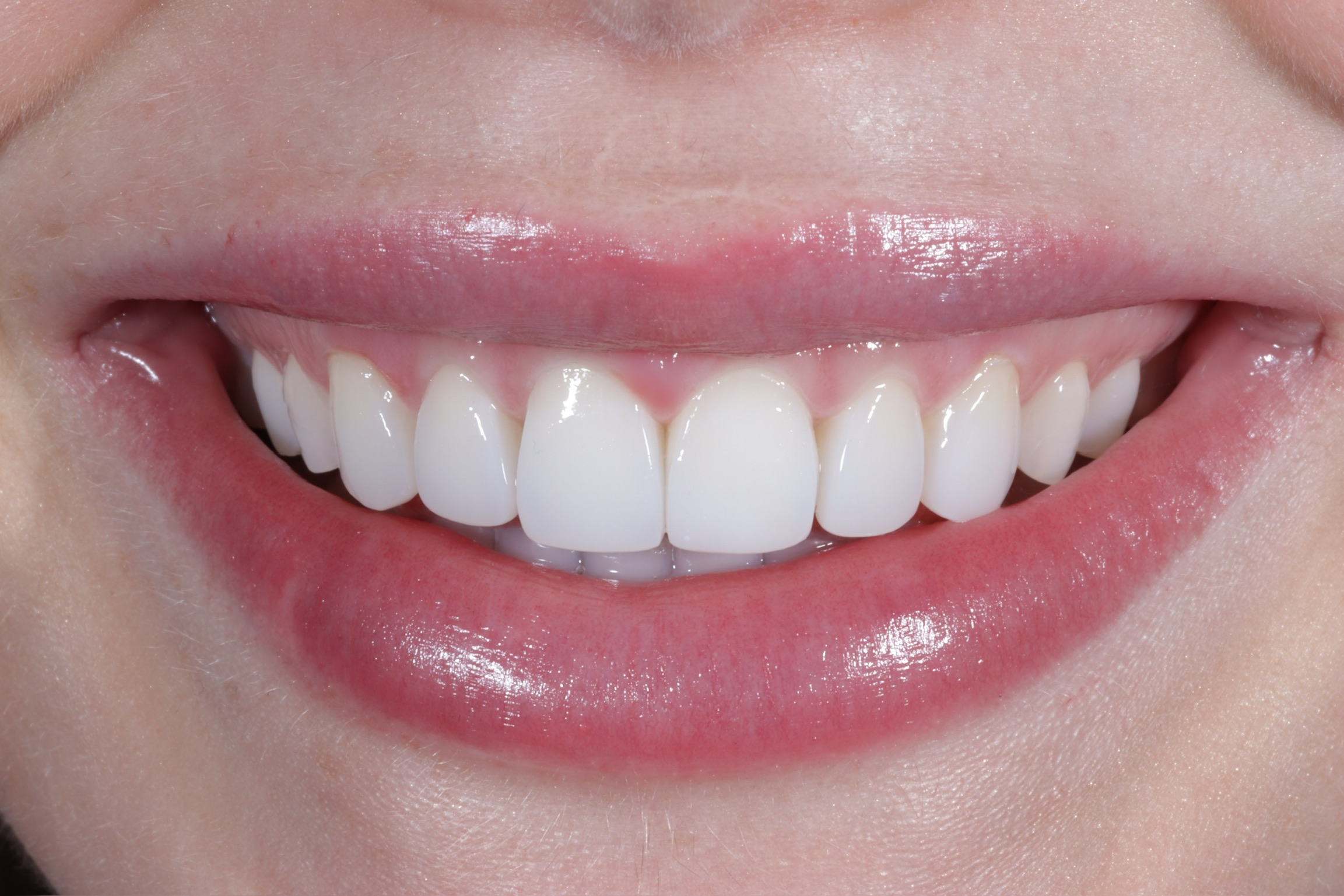
Your smile tells people how you feel before you say a word. When you think about changing it, you may picture whitening, veneers, or clear aligners. Yet real cosmetic change starts with strong, healthy teeth and gums. General dentistry gives you that base. It finds early decay, quiet infections, and bite problems that can ruin even the best cosmetic work. It also keeps your mouth steady so cosmetic treatment lasts. At a trusted dental office in Commack, routine exams, cleanings, and simple repairs come first. Then cosmetic steps build on that care. This order protects you from pain, extra costs, and repeat work. It also helps you feel safe as you move toward the smile you want. This blog explains how basic care and cosmetic changes work together and why you should never skip that first layer of support.
Why healthy teeth come before cosmetic change
Cosmetic work covers what people see. General dentistry protects what you feel every day. You need both. If decay, gum disease, or clenching sit under new cosmetic work, problems grow. Then fillings fail, veneers crack, or teeth shift. You face more treatment and more time in the chair.
General care does three key things before any cosmetic plan.
- Finds hidden problems with exams and X rays
- Removes plaque and tartar that cause decay and gum disease
- Repairs chips, cavities, and broken fillings so teeth can hold cosmetic work
This steady base keeps cosmetic changes stable. It also lowers your risk of sudden pain or infection in the middle of treatment.
What general dentistry includes
General dentistry covers the routine care you need through life. It is not fancy. It is steady and protective.
- Regular exams and cleanings
- Cavity checks and fillings
- Root canal treatment to save teeth
- Simple extractions when teeth cannot be saved
- Crowns to protect weak or cracked teeth
- Care for sore jaws, grinding, and clenching
The Centers for Disease Control and Prevention explains that untreated decay and gum disease lead to tooth loss and pain. Those same problems also shorten the life of cosmetic work. When you control them, you protect both your health and your investment.
How general care shapes cosmetic choices
Your general exam should come before any cosmetic plan. During that visit, the dentist looks at three things that shape your choices.
- The health of your gums and bone
- The strength and shape of each tooth
- The way your teeth meet when you bite and chew
These facts guide safe cosmetic steps. For example, if gums bleed or pull back, whitening may burn, and veneers may not last. If you grind your teeth at night, straightening or bonding may chip or wear down fast. When your bite is off, crowns or veneers may crack.
General care corrects these problems first. Then cosmetic work sits on a calm, stable mouth.
Common cosmetic goals and general steps that support them
| Cosmetic goal | General dentistry steps first | Risk if skipped |
|---|---|---|
| Whiter teeth | Cleaning. Treat decay. Check for cracks and gum disease. | More sensitivity. Uneven color. Burns on gums. |
| Straighter teeth | Full exam. X-rays. Treat cavities. Check the bone and gums. | Teeth move in weak bone. Higher chance of tooth loss. |
| Smoother edges or bonding | Repair large cavities. Check bite and grinding. | Bonding chips or falls off. Pain when biting. |
| Veneers or crowns | Root care. Gum treatment. Strong core fillings. | Infection under veneers. Crowns fail early. |
| Full smile makeover | Complete health plan. Gum, bone, and bite control. | Costly repeat work. Ongoing soreness. |
How routine care keeps cosmetic work strong
Cosmetic treatment does not end when you leave the chair. You need routine care to keep results steady. That care includes three simple habits.
- Regular checkups to catch small chips, loose edges, or new decay
- Professional cleanings to clear plaque around veneers, crowns, or aligners
- Night guards or retainers when grinding or teeth movement threaten new work
The National Institute of Dental and Craniofacial Research shows that plaque bacteria drive decay. Those same bacteria sit at the edges of veneers and crowns. When you control them, you protect both the tooth and the cosmetic layer on top.
Three questions to ask before cosmetic treatment
You can protect yourself by asking clear questions before any cosmetic plan starts.
- What general problems must we fix before cosmetic work
- How will you check my gums, bone, and bite first
- What routine care will I need each year to keep results steady
Clear answers show respect for your health, your time, and your money. They also show that the office values long-term results over quick changes.
Building a smile that feels as good as it looks
Cosmetic dentistry can lift your spirit and help you feel more at ease in daily life. Yet the greatest change starts with simple steps. Clean teeth. Calm gums. A stable bite. When general dentistry comes first, cosmetic work looks natural, feels comfortable, and lasts longer.
You deserve a smile that feels strong when you eat, speak, and laugh. Start with routine care. Then add cosmetic changes to that solid base. This steady path helps you avoid regret and enjoy your smile with real confidence.