
Why Early Dental Care Supports Whole Body Health In Children
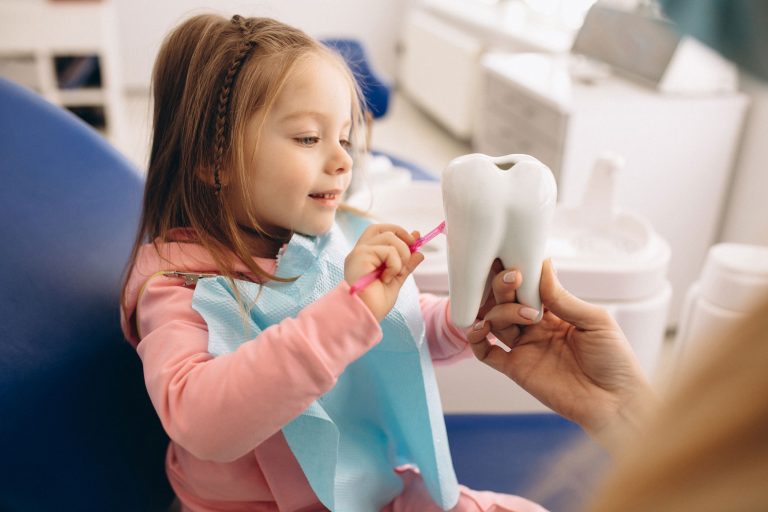
Healthy teeth do more than shape a child’s smile. They protect the whole body. Early dental care lowers pain, infection, and missed school days. It also supports clear speech, steady sleep, and confident eating. When you start care early, you catch small problems before they spread to the gums, jaw, or even the blood. That protects the heart and other organs. It also eases fear, because your child learns that checkups are calm and quick. A trusted family dentist in Brooksville, FL can track growth, guide brushing, and help you choose smart snacks. Regular visits, cleanings, and sealants work together with your child’s daily brushing. Together they block cavities, swelling, and costly treatment later. Early care is not extra. It is basic health care for your child’s whole body.
How Mouth Health Connects To The Rest Of The Body
Your child’s mouth is part of the body, not separate from it. Germs from untreated cavities and gum swelling do not stay on the tooth. They can move into the blood. They can affect the heart, lungs, and growing bones.
Research from the Centers for Disease Control and Prevention shows that untreated tooth decay is common in children. It causes pain and infection. It also raises the risk of poor sleep and poor school performance.
When you protect the mouth, you support three core parts of your child’s health.
- You protect nutrition. Children with mouth pain avoid crunchy fruits, vegetables, and protein foods.
- You protect growth. Chewing well supports jaw growth and clear speech.
- You protect learning. Less pain and fewer missed days support focus and memory.
Why Early Dental Visits Matter
The American Academy of Pediatric Dentistry and the National Institute of Dental and Craniofacial Research advise a first dental visit by the first birthday or within six months of the first tooth. That first visit sets a pattern for life.
Early visits help you in three ways.
- You learn how to clean baby teeth and gums at each age.
- You find early signs of decay or weak enamel before pain starts.
- You help your child see the dental office as a safe and familiar place.
Each short visit builds trust. Your child learns that the chair, light, and tools are not threats. That calm memory lowers fear during later care.
Everyday Habits That Protect Teeth And Body
Daily habits at home shape your child’s mouth health. They also shape heart health, weight, and blood sugar.
Focus on three simple routines.
- Brush teeth two times a day with a small smear of fluoride paste for children under three and a pea-sized amount for older children.
- Floss once a day when teeth touch.
- Offer water and plain milk. Limit sweet drinks and constant snacks.
These habits lower the sugar and acid on the teeth. They also lower the risk of weight gain and type 2 diabetes later in life. A strong routine turns into muscle memory for your child. That routine follows them into their teen years and adulthood.
How Dental Health Affects School, Sleep, and Mood
Tooth pain changes how a child eats, sleeps, and behaves. It can show up as stomach pain, irritability, or refusal to eat. Many children cannot explain mouth pain in words. You may only see tears, anger, or withdrawal.
When you prevent cavities, you support three key parts of daily life.
- School. Children with healthy teeth miss fewer days and can focus on classwork.
- Sleep. A pain-free mouth makes it easier to fall asleep and stay asleep.
- Mood. Less pain reduces stress hormones and supports steady behavior.
These gains spread through the home. When your child sleeps and eats well, mornings go more smoothly. Homework becomes less of a fight. Family time becomes calmer.
Data Snapshot: Early Dental Care and Child Health
The table below compares children who receive early and regular dental care with those who do not, based on trends reported by public health sources. Values are estimates that show the pattern you can expect.
| Health Measure | Early And Regular Dental Care | Little Or No Dental Care |
|---|---|---|
| Untreated cavities by age 8 | About 15 out of 100 children | About 30 out of 100 children |
| Missed school days in a year due to dental pain | 0 to 1 days | 3 or more days |
| Reports of trouble sleeping from mouth pain | Low | High |
| Need for emergency dental visits | Rare | Common |
| Comfort with dental visits in teen years | High | Low |
How A Family Dentist Supports Parents
You do not need to face these choices alone. A family dentist guides you through each stage of growth. That guidance often covers three main topics.
- Feeding. You learn how bottle use, nursing, and snacks affect teeth.
- Habits. You get support for thumb sucking, pacifier use, and teeth grinding.
- Protection. You receive custom mouthguards for sports and advice on injury care.
This support helps you act early. You can change course before small issues turn into pain or infection.
Taking The Next Step For Your Child’s Whole Body Health
Early dental care is not only about cavities. It shapes how your child eats, sleeps, learns, and feels. It protects the heart and other organs from infection. It lowers stress for your child and for you.
You can start with three clear steps.
- Schedule a first dental checkup by the first birthday or as soon as possible.
- Set a daily brushing routine and stick to it, even on busy days.
- Limit sugary drinks and snacks to protect both teeth and body.
Each small step today builds a strong body for tomorrow. Early care gives your child a quiet mouth, a clear mind, and a stronger future.