
How Cosmetic Dentistry Improves Confidence For Parents And Teens Alike
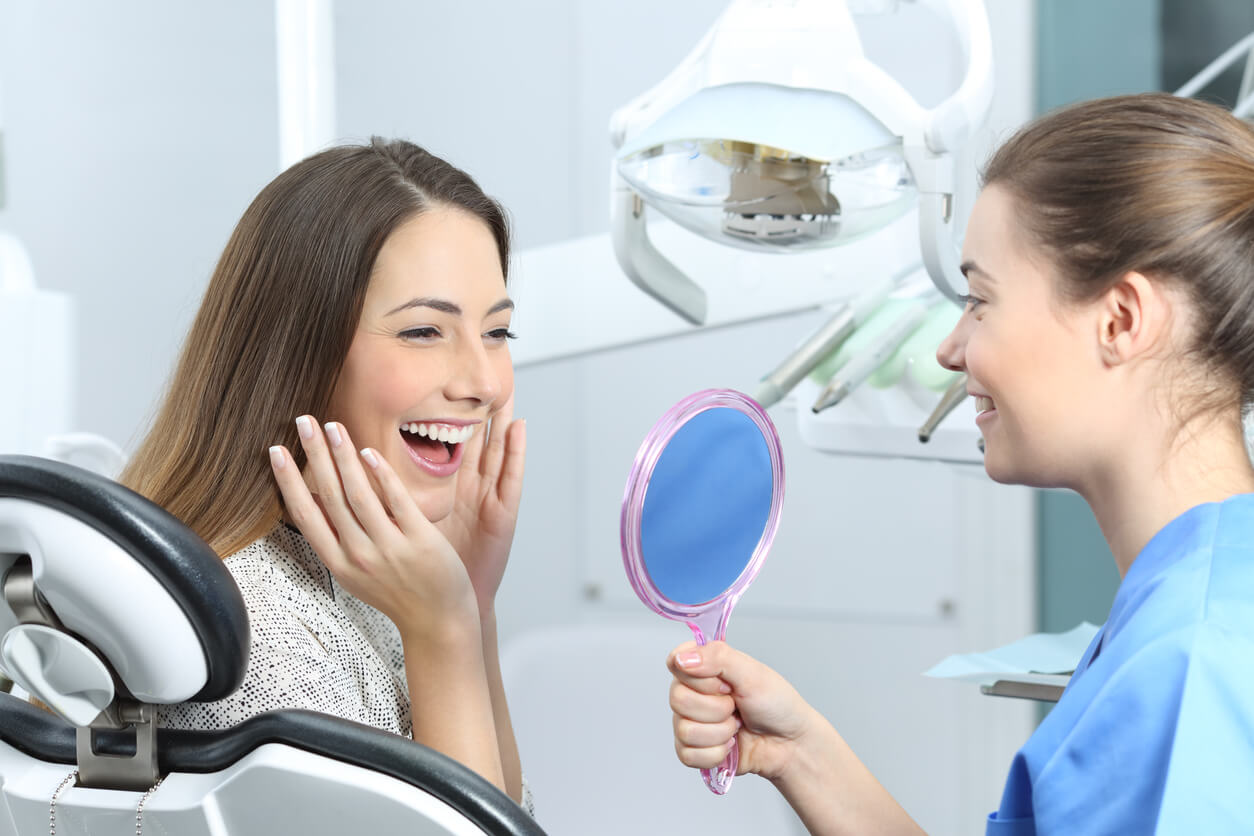
A change in your smile can change how you move through each day. As a parent, you want your teen to feel sure during school, photos, and first jobs. You might also carry old shame about your own teeth. Stains, chips, gaps, or crooked teeth can pull you out of conversations. They can keep you out of family pictures. Cosmetic dentistry offers real options that are safe and steady. It does not chase perfection. It helps you feel more at ease in your own skin. A dentist in Sunset Hills can use simple treatments that fit into busy family life. These treatments can support teens during braces, fix worn or damaged teeth for adults, and brighten smiles for everyone. As you read, you will see how small changes in your teeth can lift your mood, calm social fear, and support stronger ties at home and at school.
Why Your Smile Affects Confidence
Your mouth is one of the first things others see. Teeth shape how you speak, laugh, and eat with others. When you worry about stains or crooked teeth, you may
- Hide your mouth when you talk
- Avoid smiling in photos
- Skip social events or job interviews
Teens feel this stress in a sharp way. They face school halls, social media, and sports photos every week. Parents feel it at work, in meetings, and at family events. When you both worry about your teeth, strain can build up at home. Each person pulls back instead of reaching out.
Cosmetic dentistry focuses on how teeth look. Yet it often improves how teeth work. Straighter, cleaner teeth are easier to brush and floss. The Centers for Disease Control and Prevention links good oral health with better daily function. When teeth hurt less and look better, you feel more sure of yourself. That feeling shows in how you sit, speak, and meet new people.
Common Cosmetic Options For Teens And Parents
Cosmetic care can stay simple. You can start small and build over time. Many families begin with three core options.
- Whitening. Brightens stained teeth from soda, coffee, or some medicines. Helps with yearbook photos and work events.
- Bonding. Uses tooth colored material to fix chips, small gaps, or worn edges. Often done in one visit.
- Orthodontic care. Aligns crooked or crowded teeth. Can use braces or clear aligners based on age and needs.
Parents may also ask about
- Veneers. Thin shells that cover the front of teeth to change shape or color.
- Crowns. Covers damaged teeth to protect and improve shape.
- Implants. Replaces missing teeth with posts and crowns.
Teens may not need complex work. Early, small changes can prevent larger problems. Careful planning with a dentist keeps treatments safe for growing mouths. The American Dental Association explains that braces and other alignment tools can improve bite and cleaning.
Comparing Options For Teens And Parents
This table shows how common treatments can match needs for both age groups. Costs and times are general and can change by clinic and state.
| Treatment | Best For Teens | Best For Parents | Typical Time |
|---|---|---|---|
| Whitening | Surface stains from food and drinks | Long term coffee or tobacco stains | One to three visits |
| Bonding | Chipped front tooth from sports | Small gaps or worn edges | One visit per tooth |
| Braces or aligners | Crowded teeth and bite problems | Mild crowding or shifting after past braces | One to three years |
| Veneers | Usually for older teens with full growth | Stains that do not respond to whitening | Two to three visits |
| Crowns | Large cavities after full growth | Broken or heavily filled teeth | Two visits in most cases |
Emotional Benefits For Teens
Teens often judge themselves harshly. A cracked front tooth or crooked smile can feel like a label. When a dentist fixes that flaw, many teens
- Look up more during class
- Speak up during group work
- Join sports, theater, or clubs
These changes protect mental health. The CDC notes clear links between self-image and social connection. When a teen stops shrinking in photos, they often feel more present at home. They smile in family shots. They share more about their day. That small shift can cut through the silence at the dinner table.
Emotional Benefits For Parents
Parents often put their own teeth last. You may pay for braces and school fees and leave your own care on hold. Over time, worn teeth and stains can feed quiet shame. You might cover your mouth at work or in front of your partner.
When you repair your own smile, you show your teen that care does not stop at a certain age. You model self-respect. You also feel more at ease during
- Job interviews or staff meetings
- Parent teacher meetings
- Social events and holidays
This confidence often leads to clearer speech and stronger eye contact. Those changes can support work growth and closer family ties.
Talking About Cosmetic Care As A Family
Cosmetic choices can stir strong feelings. Some teens beg for quick fixes. Some parents fear pressure to look perfect. You can keep the focus on health and comfort.
Try these steps.
- Ask your teen what bothers them most about their teeth. Listen without judgment.
- Share your own worries in plain terms. Show that everyone has concerns.
- Set shared goals. Aim for a healthy mouth, a steady bite, and a natural smile.
Then you can meet a dentist together. You can ask which changes are safe now and which should wait. You can also discuss costs, time, and care at home.
Building Daily Habits That Protect Confidence
Cosmetic work will not last without simple daily steps. You and your teen can protect your smiles with three core habits.
- Brush twice each day with fluoride toothpaste.
- Clean between teeth with floss or other tools once each day.
- See a dentist every six months for cleanings and checks.
These steps help prevent cavities, gum disease, and bad breath. They also keep cosmetic work stable. When you and your teen share these habits, you build a sense of shared effort and care.
Moving Forward Together
Cosmetic dentistry does more than change photos. It can ease old shame, calm social fear, and open new chances for both parents and teens. When you treat your own needs with the same respect you give your child, you send a strong message. You show that health, comfort, and self-respect matter at every age. With steady care, simple treatments, and clear talks at home, your family can face each school year and work week with a calmer, more open smile.