
6 Ways Family Dentistry Supports Healthy Development In Kids
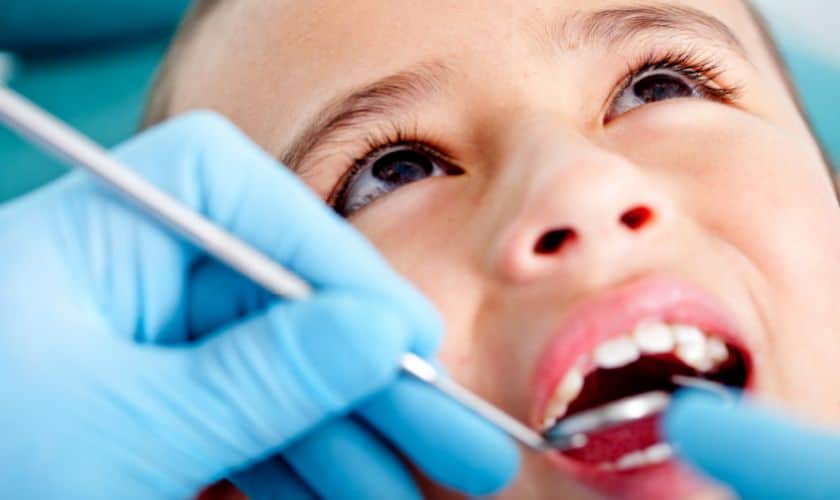
Healthy teeth shape how your child eats, speaks, and grows. Early care is not about perfect smiles. It is about steady development and fewer problems later. A family dentist in Rutledge, GA can guide you through each stage so you do not feel lost or blamed. Regular visits catch small issues before they turn into pain. They also teach your child simple habits that protect teeth at home. Over time, these visits build comfort, not fear. You see changes in how your child chews, sleeps, and focuses at school. You also get clear answers about thumb sucking, snacks, sports injuries, and crooked teeth. This blog explains six ways family dentistry supports your child’s growth. You will see how steady care, honest talk, and age based treatment protect both health and confidence. You can use these steps right away to support your child’s daily life.
1. Prevents Cavities Before They Start
Cavities hurt. They also affect eating, speech, sleep, and mood. A family dentist watches for early signs so your child avoids that kind of pain.
At each visit, the dentist can:
- Check for soft spots and early decay
- Clean away plaque and hard buildup
- Apply fluoride to strengthen teeth
- Place sealants on back teeth where food hides
The Centers for Disease Control and Prevention explains how sealants cut cavity risk in school-age kids by a large margin.
You support this care at home with three simple steps. You brush with your child two times a day. You offer water instead of sweet drinks. You keep treats small and with meals, not all day.
2. Guides Jaw Growth And Tooth Alignment
Your child’s jaw and face grow fast. Teeth move during this time. Early checks help keep that growth steady and balanced.
A family dentist can:
- Watch how baby teeth fall out, and adult teeth come in
- Check how your child bites and chews
- Look for mouth breathing or tongue pushing
- Spot crowding or gaps before they get worse
Timely action can avoid complex treatment later. Sometimes the dentist only needs to remove a baby tooth at the right time. Other times, your child may need a simple appliance that guides growth.
Early care can mean fewer extractions, shorter orthodontic treatment, and lower cost later in life.
3. Supports Clear Speech And Confident Eating
Teeth and tongue work together. Problems with teeth often show up when your child talks or eats.
Family dentistry helps by:
- Checking for tongue ties or lip ties that affect speech sounds
- Watching how your child chews and swallows
- Looking for open bites from thumb sucking or pacifier use
When teeth meet well, chewing takes less effort. Your child can handle a wider range of foods. That supports growth and energy. Clear speech also supports learning and social life. Your child feels less guarded when speaking up in class or with peers.
4. Builds Lifelong Habits And Emotional Safety
Dental fear often starts in childhood. Calm, steady visits can break that pattern.
A family dentist sets the tone by:
- Using simple words your child understands
- Explaining what will happen before it starts
- Letting your child ask questions and say “stop”
- Praising effort, not perfection
Over time, your child learns three key habits. They show up for care. They speak up about pain. They take daily care of their own teeth.
These skills carry into adult life. They also support other health visits. Your child learns that care is a shared effort, not a punishment.
5. Links Oral Health To Overall Health
Mouth health connects to the whole body. Pain, infection, and poor sleep from dental problems affect growth and school life.
Family dentistry supports overall health by:
- Finding infections early so they do not spread
- Watching for signs of teeth grinding and poor sleep
- Reviewing medicines that cause dry mouth
- Checking for signs of nutrition problems
The National Institute of Dental and Craniofacial Research shares clear facts about how oral health is linked to child growth. You can read their guide on children’s oral health to see how dental care fits into full body health.
With this support, you can act early. You can ask your child’s doctor about sleep, focus, and behavior when the dentist sees signs in the mouth.
6. Gives You Clear Guidance Through Each Stage
Parents carry a heavy load. A trusted dentist reduces guesswork and guilt.
During visits, you can ask about:
- When to stop bottles and bedtime snacks
- How to handle thumb sucking or pacifier use
- Sports mouthguards and injury prevention
- Safe whitening choices for teens
Each stage comes with new questions. A family dentist knows your child’s history and habits. That history makes advice more personal and more accurate.
Comparison: Routine Care Versus No Regular Dental Home
| Factor | Child With Regular Family Dentistry | Child Without Regular Family Dentistry |
|---|---|---|
| Cavity detection | Found early. Often treated with small fillings or sealants. | Often found late. May need large fillings or extractions. |
| Pain and infections | Lower risk. Problems handled before pain starts. | Higher risk. Care often starts only after severe pain. |
| Jaw and tooth growth | Growth watched and guided. Fewer complex treatments. | Issues missed until the teen years. Treatment may be longer. |
| School impact | Fewer missed days. Better focus in class. | More missed days. Pain affects focus and mood. |
| Dental fear | Lower fear. Visits feel routine and safe. | Higher fear. Visits are linked with emergencies and pain. |
| Parent confidence | Clear plan and support at each stage. | More doubt about what is normal or urgent. |
Taking The Next Step For Your Child
You do not need to fix everything at once. You only need to start.
You can schedule a checkup. You can ask for a clear plan for the next year. You can keep brushing, flossing, and offering water at home.
With steady support from a family dentist, your child can grow with less pain, more comfort, and stronger daily habits. That kind of care protects both health and confidence for many years.
