
Complete Guide to Plaster Installation for Modern Homes
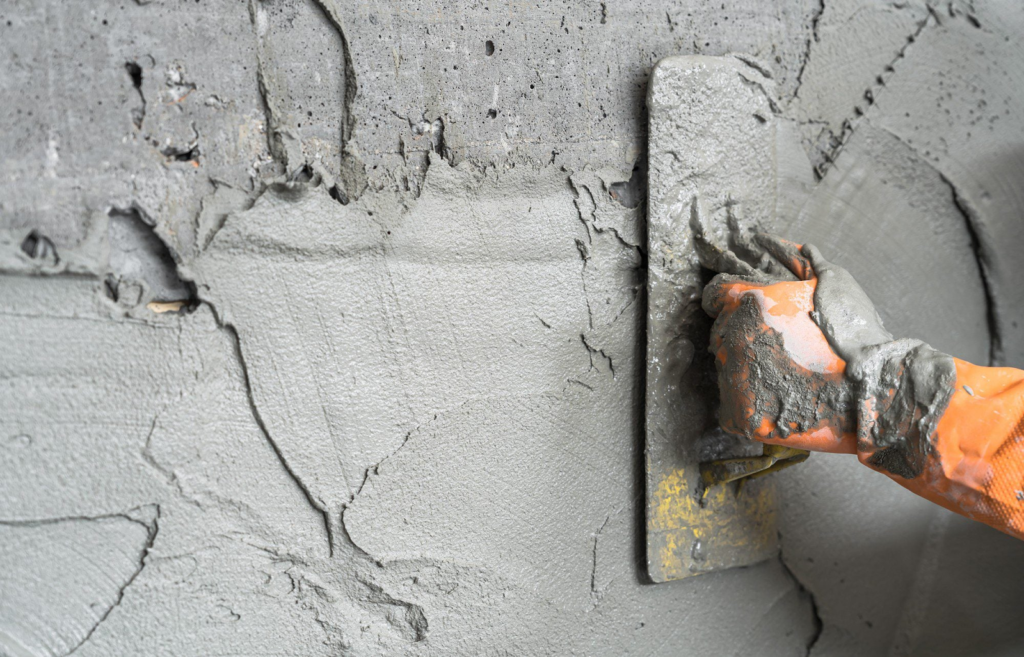
Modern homes are designed to look clean, smooth, and long-lasting. One of the most important parts of achieving that polished look is proper Plaster Installation. Whether you are building a new house or renovating an old one, good wall finishing plays a major role in both appearance and durability. Strong and well-applied plaster protects walls, improves insulation, and creates the perfect surface for paint or wallpaper.
Many homeowners think plastering is just about spreading material on walls, but it is actually a skilled process that requires preparation, the right materials, and proper technique. When done correctly, it can last for decades without cracks or damage. When done poorly, it can lead to uneven surfaces, moisture problems, and costly repairs.
This complete guide explains everything you need to know about Plaster Installation in modern homes. You will learn about materials, preparation steps, installation methods, common mistakes, and maintenance tips. By understanding these basics, you can make better decisions whether you plan to hire professionals or manage a home improvement project yourself.
Understanding the Importance of Quality Wall Finishing
Walls are more than just structures that divide spaces. They define the beauty, strength, and comfort of a home. Proper wall finishing improves both the interior and exterior appearance while also protecting the structure from weather damage and daily wear.
Plaster Installation creates a smooth and even surface that improves paint adhesion and overall design quality. Without a proper finish, paint may peel, surfaces may look rough, and walls may develop cracks over time. This is why professional builders always focus on high-quality plaster work before moving to decoration stages.
Another major benefit is durability. Plaster adds a protective layer that helps resist moisture, minor impacts, and temperature changes. In modern construction, where materials like concrete blocks and drywall are commonly used, plaster acts as a finishing shield that keeps walls strong and stable.
Energy efficiency is another hidden advantage. Properly applied plaster helps seal small gaps and cracks, improving insulation. This helps maintain indoor temperature and can reduce energy costs over time. In regions with extreme weather conditions, this can make a noticeable difference in comfort levels.
Sound control is also improved with good plaster work. Thick and well-applied wall coatings can reduce noise transfer between rooms. This is especially important in modern homes where open layouts and shared walls are common.
Beyond function, aesthetics remain the biggest reason homeowners invest in expert finishing services. Smooth walls allow better paint finishes, modern textures, and decorative designs. From minimalist interiors to luxury finishes, good plastering provides the foundation for beautiful design.
Materials Used in Modern Wall Finishing Projects
Choosing the right materials is one of the most important parts of any successful Plaster Installation project. Different materials are used depending on the type of building, climate conditions, and design goals. Understanding these materials helps homeowners make smart decisions and avoid future problems.
Cement plaster is one of the most widely used options. It is made from cement, sand, and water, creating a strong and durable finish suitable for both interior and exterior walls. This type of plaster is popular because it resists moisture and provides a solid base for paint.
Gypsum plaster has become very popular in modern interior design. It provides a very smooth finish and dries faster than traditional cement mixtures. Many contractors prefer gypsum because it reduces project time and creates a high-quality decorative surface. It is especially common in living rooms, bedrooms, and office spaces.
Lime plaster is another traditional option that is still used today, especially in eco-friendly construction. It is flexible, breathable, and resistant to mold growth. While it takes longer to cure, it offers long-term durability and a natural look that many homeowners appreciate.
Ready-mix plaster products are also gaining popularity. These pre-mixed solutions help ensure consistent quality and reduce errors during mixing. They are often used in modern construction where speed and quality control are both important.
Additives are sometimes included to improve performance. These may include bonding agents, waterproofing chemicals, and crack resistance compounds. Using these enhancements can greatly improve the life and performance of wall finishes.
The choice of sand is also important. Fine sand is used for smooth finishing coats, while coarser sand is used for base coats. Using the wrong type can affect the final appearance and strength of the wall.
Water quality also matters. Clean water free from chemicals and impurities ensures proper bonding and curing. Many people overlook this detail, but it can affect the long-term quality of plaster work.
Selecting the right materials is not just about cost. It is about matching the right product to the right purpose. This ensures better results and fewer repairs in the future.
Step-by-Step Process for Professional Wall Surface Preparation
Preparation is the foundation of successful Plaster Installation. Without proper surface preparation, even the best materials will fail to deliver strong and smooth results. Professional contractors often say that preparation is just as important as the application itself.
The first step is cleaning the surface. Walls must be free from dust, oil, and loose particles. Any dirt left behind can weaken bonding and cause plaster to fall off over time. Cleaning is usually done with brushes or air pressure tools.
Next comes surface inspection. Contractors check for cracks, holes, and uneven areas. These defects are repaired before plastering begins. Filling gaps early prevents future structural issues and ensures a consistent finish.
Wall dampening is another important step. Slightly wetting the surface helps prevent rapid water absorption from the plaster mix. If walls are too dry, they may absorb moisture quickly, leading to weak bonding and cracks.
Applying a bonding coat may be necessary in some cases. This layer improves adhesion, especially on smooth concrete surfaces. Bonding agents help plaster stick properly and reduce the risk of peeling.
Guide strips or leveling markers are sometimes installed to ensure even thickness. These markers help workers maintain straight lines and uniform surfaces. This step is especially important in modern homes where design precision is expected.
Mixing the plaster correctly is also part of preparation. The correct ratio of materials ensures proper strength and workability. Too much water weakens the mixture, while too little makes it hard to apply.
Tools must also be prepared before starting work. Trowels, floats, mixing trays, and measuring tools should be clean and ready. Using proper tools helps achieve better finishing quality.
Timing is another key factor. Once mixed, plaster must be used within a certain time before it begins to harden. Planning the workflow ensures smooth application without waste.
By following these preparation steps carefully, contractors ensure that the final finish is strong, smooth, and long lasting. Skipping these steps often leads to visible defects and future repairs.
Common Mistakes That Affect Wall Finishing Quality
Even experienced builders can make mistakes during Plaster Installation if proper care is not taken. Understanding these common errors can help homeowners avoid poor workmanship and ensure better results.
One of the most common mistakes is poor surface preparation. Applying plaster on dusty or uneven walls leads to weak bonding. This can cause flaking and cracks within a short time.
Incorrect material mixing is another frequent issue. Using the wrong ratio of cement and sand can reduce strength. Overwatering the mix is especially harmful because it weakens the structure and causes shrinkage cracks.
Applying plaster too thickly in one layer is also a problem. Thick layers may not dry evenly, leading to internal stress and surface cracks. Professionals usually apply plaster in controlled layers to avoid this issue.
Rushing the curing process is another mistake. Proper curing helps plaster gain strength. Without it, surfaces may remain weak and prone to damage. Light water curing over several days is often recommended for cement-based finishes.
Ignoring environmental conditions can also create problems. Extremely hot or windy weather can cause rapid drying, leading to cracks. Professionals often adjust their methods depending on weather conditions.
Poor workmanship is another major factor. Uneven trowel pressure, lack of leveling, and improper smoothing can affect the final look. This is why hiring skilled workers is often worth the investment.
Using low-quality materials to reduce costs often leads to expensive repairs later. Cheap materials may not provide proper bonding or durability. Quality products usually provide better long-term value.
Skipping inspection after completion is another mistake. Small cracks or defects should be fixed immediately before painting. Early repairs prevent larger issues from developing.
Understanding these mistakes allows homeowners to monitor projects more effectively and ask the right questions when working with contractors.
Maintenance Tips to Extend Wall Life and Appearance
Once Plaster Installation is complete, proper maintenance helps preserve the appearance and strength of the walls. Many people assume plaster requires no care, but simple maintenance can greatly extend its life.
Regular inspection is important. Small cracks may appear over time due to natural building movement. Fixing them early prevents moisture entry and further damage.
Keeping walls dry is essential. Water leakage from roofs or plumbing can damage plaster. Fixing leaks quickly helps prevent stains and weakening of wall surfaces.
Using quality paint also protects plaster. Paint acts as a protective layer against moisture and dust. Choosing breathable paint products helps maintain wall health.
Avoid drilling too many holes in finished walls. Excessive drilling can weaken plaster layers. When mounting items, proper anchors should be used to prevent damage.
Cleaning walls gently also helps maintain appearance. Dust and marks can be removed with soft cloths or mild cleaning solutions. Harsh chemicals should be avoided as they may damage paint and surface texture.
Repainting after several years can refresh both appearance and protection. This not only improves aesthetics but also strengthens the protective barrier of walls.
Monitoring humidity levels inside the home can also help. Excess moisture may lead to mold growth or surface damage. Good ventilation helps maintain a healthy indoor environment.
Professional inspections every few years can also be helpful, especially in older homes. Experts can identify hidden issues and recommend preventive repairs.
By following these maintenance practices, homeowners can protect their investment and ensure their walls remain strong and attractive for many years.
How Modern Trends Are Changing Wall Finishing Techniques
Modern construction trends are changing how Plaster Installation is performed. Today’s homeowners want faster construction, eco-friendly materials, and stylish finishes that match contemporary designs.
One major trend is the use of machine-applied plaster. This method improves speed and consistency. Machines can apply material evenly, reducing human error and saving time on large projects.
Decorative textures are also becoming popular. Instead of plain walls, many homeowners now choose textured finishes that add character to interiors. These finishes can create luxury looks without expensive materials.
Eco-friendly construction is also influencing material choices. Builders are exploring low-carbon materials and natural finishes that reduce environmental impact. This shift supports sustainable building practices.
Lightweight materials are also gaining attention. These reduce structural load and improve application speed. Modern gypsum solutions are a good example of this trend.
Smart homes are also affecting wall finishing choices. Hidden wiring, integrated lighting, and smart panels require precise wall preparation. This makes professional planning more important than ever.
Minimalist design trends also demand higher finishing quality. Smooth surfaces and sharp edges require skilled craftsmanship. Even small defects become visible in modern lighting conditions.
Waterproof finishing systems are also becoming common in kitchens and bathrooms. These systems help prevent moisture damage and improve hygiene.
Digital project planning is another modern improvement. Contractors now use digital measurement tools and design software to plan wall finishing with better accuracy.
These innovations show that wall finishing is no longer just a basic construction step. It is becoming a specialized field that combines design, engineering, and sustainability.
Conclusion
Plaster Installation remains one of the most important steps in creating strong, beautiful, and long-lasting modern homes. From selecting the right materials to ensuring proper preparation and maintenance, every step plays a role in the final result. When done correctly, it improves durability, enhances appearance, and supports better living conditions.
Homeowners who understand the basics of wall finishing can make smarter choices, avoid common mistakes, and communicate better with contractors. Investing in quality workmanship and proper care ensures that walls remain smooth, attractive, and damage-free for many years.
As construction methods continue to evolve, modern plastering techniques will keep improving. By staying informed and focusing on quality, you can ensure your home maintains both its strength and style well into the future.