
The Impact of Accounting Firms on Risk Management
You might be feeling the pressure of trying to keep a business steady while risk seems to come from every direction at once. A Clarkdale accountant can help reduce that pressure by bringing structure and insight to your financial processes. Cash flow can tighten without much warning, controls can break down quietly, and one reporting mistake can create problems that spread into tax, lending, compliance, and trust. When that happens, it is easy to think of accounting as a back-office task, when in reality it often shapes whether small issues stay small or turn into expensive ones. The short version is simple. The impact of accounting firms on risk management is often much bigger than people expect, because a strong firm helps you spot weak points early, improve controls, and make decisions with cleaner financial information.
Why does risk feel harder to manage when your numbers are unclear?
Risk rarely arrives with a label. It usually shows up as something subtle first, a reconciliation that keeps getting delayed, revenue that looks strong but cash that feels thin, or a manager who relies on guesswork because reports come too late to help. Because of this tension, you might wonder whether the issue is operations, leadership, or just bad luck. In many cases, the real problem is that the financial picture is not clear enough to guide action.
An accounting firm can help reduce that uncertainty. Good accountants do more than record transactions. They test assumptions, review internal controls, and look for patterns that suggest fraud, waste, weak oversight, or reporting errors. That work matters because risk management depends on timing. If you catch a control problem in March, you can fix it. If you find it after an audit issue, a lender concern, or a tax notice, the cost is usually much higher.
This is one reason accounting firms and risk oversight are so closely connected. A firm that understands your reporting process can flag areas where duties are not separated, where approvals are too loose, or where estimates are being made without support. The Public Company Accounting Oversight Board explains the importance of understanding the company and its environment, including internal control, in its guidance on identifying and assessing risks of material misstatement. Even if your business is not public, the principle still applies. You cannot manage what you have not properly assessed.
What kinds of business risks can an accounting firm actually help you control?
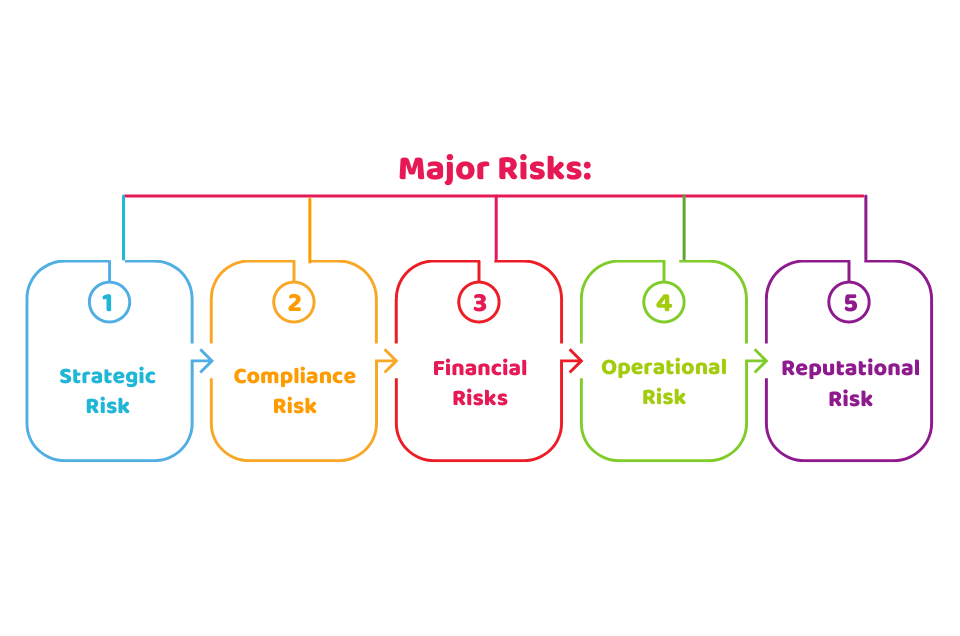
People often think first about tax filing or annual audits, but the reach is wider than that. An accounting firm can help with financial reporting risk, fraud risk, compliance risk, cash flow risk, vendor payment controls, payroll accuracy, and planning risk. That last one matters more than it gets credit for. When owners make hiring, borrowing, or expansion decisions using weak data, the risk is not just an accounting issue. It becomes a business strategy issue.
Consider a simple what-if scenario. What if one employee can create vendors, approve invoices, and release payments? That may save time in the short term, but it creates a clear opening for error or abuse. Or what if inventory adjustments are not reviewed each month? Losses can build quietly, and leadership may not realize margins are slipping until much later. In both cases, an accounting firm can help design practical checks, not just theoretical ones.
Public guidance supports this focus on controls. The Government Accountability Office offers useful direction through its Financial Audit Manual, which lays out audit and control concepts that help organizations think more clearly about risk. Recent federal reporting also shows that weak internal controls continue to create real concern. The GAO’s latest audit report on the U.S. government points to ongoing material weaknesses in financial management and reporting. The setting is different from a private business, but the lesson is familiar. Weak controls do not stay contained.
Should you handle risk internally or bring in an accounting firm?
That depends on your team, your systems, and the level of risk you can realistically monitor on your own. Internal staff knows the day-to-day details, which is valuable. An outside firm brings distance, structure, and a trained eye. Often the best answer is not one or the other. It is a blend of internal ownership and outside review.
| Approach | Best For | Main Strength | Main Risk |
| Internal only | Very small operations with simple transactions | Fast access to daily data | Blind spots, weak segregation of duties, limited review depth |
| Accounting firm only | Businesses needing periodic oversight or specialized support | Independent review and technical skill | Less visibility into daily habits if communication is weak |
| Internal team plus accounting firm | Growing businesses with compliance, lending, or reporting pressure | Stronger controls, better monitoring, better planning | Requires clear roles and follow through |
If your business is growing, borrowing, or facing more regulation, risk management in accounting usually works best when someone independent reviews the system from time to time. That outside perspective can catch patterns your team has stopped noticing.
What can you do right now to lower risk with accounting support?
1. Map your highest risk processes. Start with cash receipts, vendor payments, payroll, inventory, and financial close. Ask who starts the task, who reviews it, and where errors could slip through. If one person controls too much of the process, that is worth fixing first.
2. Review your reports for decision quality, not just accuracy. Ask whether your monthly reports arrive in time, whether they explain changes clearly, and whether you trust them enough to make decisions. A good accounting firm can help turn reports into tools, not just records.
3. Set a recurring control review. Do not wait for a crisis, a tax issue, or an audit finding. Schedule a quarterly or semiannual review of reconciliations, approvals, unusual entries, and policy changes. Small reviews done consistently are often more useful than one large cleanup later.
Where does that leave you if the risks already feel bigger than your team can handle?
If things already feel messy, that does not mean you have failed. It usually means the business has reached a point where informal habits are no longer enough. That is common, especially during growth, staffing changes, or economic pressure. The good news is that risk can be reduced when you have clearer numbers, stronger controls, and outside support that helps you see what is really happening.
The impact of accounting firms on risk management is not just about compliance. It is about giving you steadier ground to stand on, so problems are found earlier and decisions are made with more confidence. If now is the moment to tighten controls, improve reporting, or get a second set of eyes on your financial process, take that next step and speak with a qualified accounting professional.
