
Fencing for Rainy Climates: What Experienced Fence Contractors Do Differently
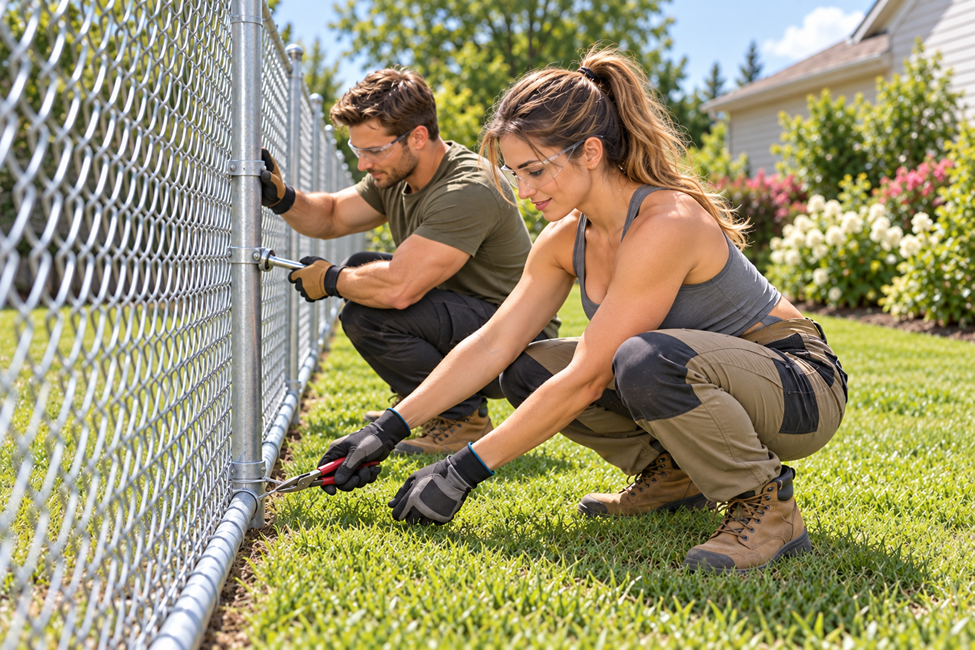
Quick answer: Experienced fence contractors handle rainy climates differently by choosing moisture-resistant materials, installing proper drainage systems, using galvanized or coated hardware, and sealing posts against water absorption. These practices prevent rot, rust, and foundation shifting, extending fence lifespan by years compared to standard installations.
Rain doesn’t just fall from the sky — it seeps into wood grain, pools around posts, and quietly corrodes metal fasteners until a fence that looked solid on installation day starts leaning, rotting, or rusting within a few short seasons. If you live somewhere wet, you already know the frustration of watching a fence age faster than it should.
The good news? This isn’t inevitable. Seasoned fence contractors who work regularly in rainy regions have developed specific techniques, material choices, and installation methods that dramatically outperform standard approaches. They’ve learned — often the hard way — exactly where moisture attacks a fence and how to stop it before it starts.
This post breaks down what these experienced contractors actually do differently, from material selection to post-setting techniques, so you can make smarter decisions whether you’re hiring a professional or evaluating a quote. Let’s get into it!
Why Does Rain Damage Fences So Quickly?
Water is relentless. It finds every gap, crack, and untreated surface, and once it’s inside a material, it rarely leaves without causing damage. In wood fencing, moisture gets absorbed into the grain, causing it to swell, warp, and eventually rot from the inside out. In metal fencing, trapped water accelerates rust and corrosion, especially at joints and fasteners.
The real culprit, though, isn’t just the rain itself — it’s standing water and poor drainage. A fence post sitting in waterlogged soil will deteriorate far faster than one with proper drainage around its base, even in the same climate. This is why experienced contractors focus so heavily on what happens underground, not just the visible fence above it.
What Materials Do Experienced Contractors Recommend for Wet Climates?
Material choice often determines fence longevity before a single post goes into the ground. Contractors who specialize in rainy climates tend to steer clients toward options with proven moisture resistance.
Vinyl and PVC Fencing
Vinyl fencing doesn’t absorb water, rot, or rust, making it one of the most popular choices for wet regions. It requires minimal maintenance and holds up well against repeated freeze-thaw cycles, which are common in areas that combine rain with cooler temperatures.
Pressure-Treated and Cedar Wood
If homeowners prefer the look of natural wood, experienced contractors recommend pressure-treated lumber or naturally rot-resistant species like cedar. Pressure treatment forces preservative chemicals deep into the wood fibres, significantly slowing decay. Cedar, meanwhile, contains natural oils that resist moisture and insects without chemical treatment.
Aluminum and Galvanized Steel
For metal fencing, aluminum is naturally rust-resistant, making it a strong choice for wet climates. When you need steel for its strength, galvanized or powder-coated steel provides a protective barrier against corrosion that untreated steel doesn’t have.
Chain Link With Protective Coatings
Chain link remains a practical, budget-friendly option, but only when properly coated. Vinyl-coated or galvanized chain link resists rust far better than bare steel wire. This is especially relevant for property owners researching chain link fencing contractors in Langley, where consistent rainfall makes coated materials a smarter long-term investment than untreated alternatives.
How Do Fence Contractors Protect Posts From Water Damage?
Posts are the foundation of any fence, and they’re also the most vulnerable point for water damage. Experienced contractors focus on three things: depth, drainage, and sealing.
Setting Posts Below the Frost Line
In regions with both rain and freezing temperatures, water that collects around a shallow post can freeze, expand, and heave the post out of alignment. Contractors set posts below the local frost line to prevent this movement, ensuring the fence stays level year after year.
Adding Gravel for Drainage
Rather than pouring concrete directly around a post in a hole, experienced installers often add a few inches of gravel at the bottom of the post hole first. This layer allows water to drain away from the post base instead of pooling against it, which is one of the simplest and most effective ways to prevent rot and corrosion over time.
Sealing Wood Posts Before Installation
For wood fencing, contractors often apply a water-resistant sealant to the portion of the post that will be buried underground, sometimes called “end-cutting.” This step treats the most vulnerable, moisture-exposed section of the post before it ever goes into the soil.
What Hardware and Fasteners Hold Up Best in Wet Conditions?
It’s easy to overlook screws, brackets, and hinges, but experienced contractors know these small components often fail before the fence panels themselves do. Standard steel hardware rusts quickly when exposed to constant moisture, weakening joints and causing gates to sag.
Stainless steel or galvanized fasteners resist corrosion far better and are standard practice among contractors who specialize in rainy-climate installations. The slightly higher upfront cost pays off through fewer repairs and a fence that stays structurally sound for longer.
How Important Is Drainage Planning Around the Entire Fence Line?
Beyond individual posts, experienced contractors assess a property’s broader drainage pattern before installation begins. If a yard has low spots where water naturally collects, installing a fence directly through that area without addressing drainage first invites trouble.
Solutions might include:
- Grading the soil slightly away from the fence line to redirect water flow
- Installing a French drain alongside a fence section that runs through a persistently wet area
- Choosing gravel or crushed stone as ground cover near the base of the fence instead of mulch, which retains moisture against the wood
This kind of planning takes more time upfront, but it’s exactly the step that separates a fence built to last from one that needs repairs within a year or two.
Does Fence Orientation and Airflow Matter in Rainy Climates?
Yes, and it’s a detail many homeowners never consider. Fences installed in shaded, poorly ventilated areas stay damp longer after rainfall, creating ideal conditions for mould, mildew, and wood rot. Experienced contractors consider sun exposure and airflow when planning fence placement, and they may recommend slightly wider gaps between pickets in consistently wet, shaded yards to help materials dry out faster between storms.
What Maintenance Schedule Do Professionals Recommend for Rainy Regions?
Even the best materials and installation techniques benefit from regular upkeep. Contractors working in wet climates typically recommend:
- Annual inspections of posts, hardware, and panels for early signs of rot or rust
- Resealing wood fences every two to three years, depending on exposure
- Clearing debris like leaves and mulch away from the base of the fence to prevent moisture buildup
- Checking gate hardware regularly, since gates experience more movement and stress than fixed panels
Staying ahead of small issues—a loose screw, a slightly soft post—prevents them from becoming expensive, full-section replacements down the road.
Choosing the Right Fence for Your Climate: What Should You Prioritize?
Not every property has the same needs, so the right choice depends on your specific situation.
Choose vinyl or aluminum if low maintenance is your top priority and you want a fence that won’t need resealing or repainting. Choose pressure-treated wood or cedar if you prefer a natural aesthetic and are willing to commit to periodic maintenance. Choose galvanized or vinyl-coated chain link if budget matters most, but make sure the coating is rated for consistent moisture exposure rather than opting for bare steel.
Whatever material you choose, the installation details—drainage, post depth, hardware quality—matter as much as the fence itself. A premium material installed poorly will still fail early in a rainy climate.
Ready to Build a Fence That Actually Lasts?
A fence is a long-term investment, and in a rainy climate, the margin for error is smaller than people expect. The good news is that every challenge outlined here has a proven solution, and experienced contractors have already worked out exactly what works. You don’t have to guess your way through material selection or drainage planning!
If you’re planning a new fence installation, start by asking potential contractors how they handle drainage, post-setting depth, and hardware selection specifically for wet conditions. Their answers will tell you a lot about how long your fence will last. With the right materials and the right team behind the build, your fence can stay strong, straight, and beautiful through every rainy season ahead!