
What Qualifications Do You Need to Become an Arborist in the UK?
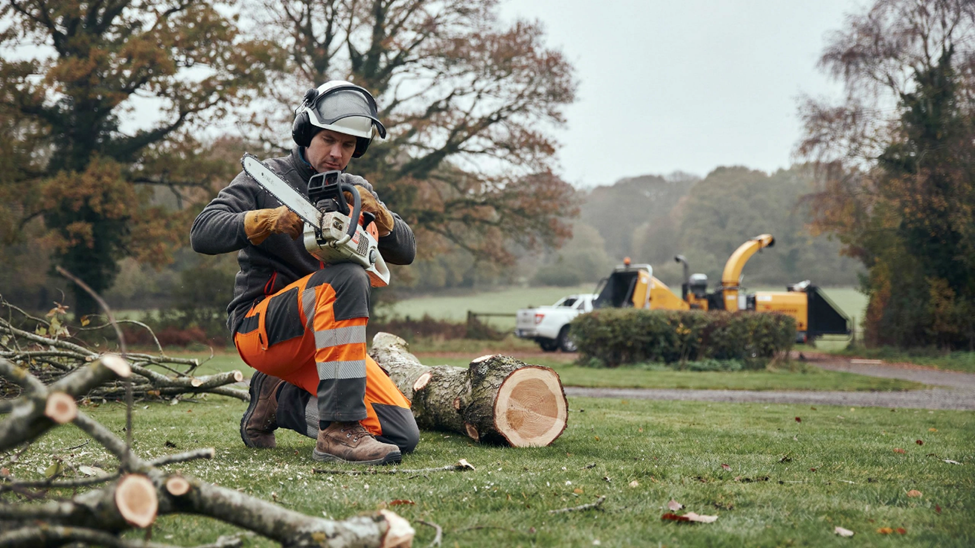
You do not need a formal licence to work with trees in the UK. However, you do need a specific set of vocational certificates before anyone will let you near a chainsaw or send you up a rope. At minimum, this means:
- CS30/CS31 – Chainsaw maintenance and cross-cutting.
- CS38 – Tree climbing and aerial rescue.
- CS39 – Using a chainsaw from a rope and harness.
- Emergency First Aid at Work (Forestry) – A dedicated outdoor first aid certificate.
Beyond this baseline, most people build their career through a Level 2 or Level 3 diploma in Arboriculture, an apprenticeship, or a blend of both. Anyone searching for arborist training in Northamptonshire will find that most local employers ask for this exact combination before they will even consider an interview.
That is the short answer. The longer answer, and the part most guides skip entirely, is that the right combination depends on where you are starting from and where you want to end up. A school leaver, a career-changer in their thirties, and a ground worker who already wants to start climbing are three different people who need three different plans. This guide is built around that reality rather than treating every reader the same.
At a Glance: The Core Qualifications
| Qualification | What It Covers | Who Needs It | Typical Cost | Typical Duration |
| CS30/CS31 | Chainsaw maintenance, cross-cutting, felling up to 380mm | Everyone doing hands-on tree work | £400-£600 | 2 days plus assessment |
| CS38 | Climbing with rope and harness, aerial rescue | Anyone who wants to climb | £400-£800 | 2-5 days |
| CS39 | Chainsaw work aloft | Climbers progressing to aerial cutting | £450-£500 | 2 days plus assessment |
| Emergency First Aid (Forestry) | Outdoor-specific first aid and remote emergency response | Every professional tree worker | £100-£150 | 1 day |
| Level 2/3 Diploma | Broader theory: biology, ground and climbing skills | Beginners wanting a structured route | Free if funded, or £2,000+ | 1-2 years |
| Apprenticeship | On-the-job training with college release | School leavers and career changers | Paid role, no learner fees | 1-2 years |
Prices move around depending on the training provider and region, so treat this table as a working guide rather than a fixed price list. Learners based in the Midlands often find that booking with a local, well-established centre such as Brampton Valley Training keeps travel costs down while still delivering the full NPTC and Lantra qualification range.
Choose Your Path: Which Route Actually Fits You?
Qualifications on their own do not tell you much. What matters is which combination suits your circumstances. Work through the options below and pick the one that matches where you are right now.
- You are 16 to 18 and leaving school. An apprenticeship is usually the strongest starting point. You are paid from day one, your employer covers training costs, and you finish with genuine hands-on experience. Intermediate apprenticeships typically ask for a handful of GCSEs including English and maths. Advanced apprenticeships usually want four or five GCSEs at grades 9 to 4.
- You are changing career as an adult. Starting an apprenticeship on a training wage is not always realistic once you have a mortgage or a family to support. A more practical route is booking the standalone NPTC units privately, starting with chainsaw maintenance and cross-cutting, then adding climbing units once you have some ground experience behind you.
- You already work as ground crew and want to start climbing. You do not need to return to college. You need the climbing and aerial rescue certificate, followed by the chainsaw-from-harness unit once you are confident, plus logged hours under supervision. This is the fastest route from where you already are to a noticeably higher day rate.
- You are aiming for consultancy, local authority tree officer work, or specialist surveying. The practical tickets are only the entry point here. You will want a Level 4 or 5 diploma, or a degree in Arboriculture or Urban Forestry, followed by professional membership through a recognised body.
The Core Practical Certificates (NPTC / City & Guilds)
These are the certificates that actually get you hired. Employers, insurers, and site managers check for them by name, and turning up without them means you will be kept off a chainsaw regardless of how confident you feel.
Chainsaw Maintenance and Cross-Cutting (CS30/CS31). This is where everyone starts. The course covers:
- Safe chainsaw maintenance and pre-use checks.
- Basic cross-cutting technique.
- Felling small trees up to 380mm.
Training usually runs two to three days, followed by an independent assessment day. Providers such as Brampton Valley Training run this course regularly, working closely alongside the Health and Safety Executive to keep the content and materials current. It is also the prerequisite for almost every other unit that follows, so getting it booked early keeps your training plan moving.
Tree Climbing and Aerial Rescue (CS38). This unit lets you get into a tree using a rope and harness, and, just as importantly, teaches you how to bring an injured colleague down safely in an emergency. No reputable employer will let you climb without it. An aerial rescue plan is a legal expectation on any climbing site, not an optional extra.
Aerial Cutting with a Chainsaw (CS39). Once you can climb, this unit adds controlled chainsaw work from a rope and harness. It is a genuine step up in risk, which is why CS38 is a strict prerequisite. No training provider will let you skip ahead. Completing it is usually the point where day rates jump, since it separates a ground worker from a working climber.
Emergency First Aid at Work (Forestry specific). Standard workplace first aid does not cover the realities of tree work, including remote sites, height-related injuries, and delayed emergency response times. The forestry-specific version does. It is typically a one-day course and needs renewing roughly every three years, a detail worth calendaring the moment you qualify.
Academic and Vocational Pathways
Practical tickets get you working. A structured qualification builds the theory underneath them, covering tree biology, disease identification, soil science, and legislation, which gives employers more confidence in your judgement rather than just your cutting technique.
- Level 2 Diploma in Forestry and Arboriculture. Aimed at ground-based assistants. Covers the fundamentals and often includes several NPTC units within the course.
- Level 3 Diploma in Forestry and Arboriculture. Built for climbers heading toward supervisory roles. Goes deeper into tree assessment, risk management, and site planning.
- Arboriculture Apprenticeships. Available at intermediate and advanced levels, combining paid on-the-job training with block or day-release college study. According to the National Careers Service, apprentice tree surgeons typically start on wages around £15,700 a year, rising with age and experience.
- GCSE requirements. These matter specifically for apprenticeship and diploma entry, not for booking standalone NPTC courses privately, a distinction most search results blur together. If you are going the apprenticeship route, expect to need English and maths at minimum.
What You Can Actually Earn
Money is usually the unspoken question behind “what qualifications do I need,” so it is worth answering directly. Figures vary by source and region, but the pattern across UK industry data is consistent:
- Trainee or ground-level workers typically start around £18,000 to £25,000 a year.
- Once qualified with climbing tickets, £25,000 to £35,000 is a realistic range, matching the National Careers Service’s own published figures for the role.
- Experienced climbers with several years behind them can move into the £35,000 to £40,000 bracket, and Office for National Statistics data has recorded average full-time earnings for the trade pushing above £37,000 in recent years.
- Self-employed tree surgeons quoting their own jobs often charge day rates between £250 and £380, though this depends heavily on region, equipment owned, and reputation.
None of this happens without the certificates. Employers and clients use certification as their main filter, so the qualifications are not a bureaucratic hurdle. They are the thing that actually unlocks the pay.
Realistic Costs and Timelines
Here is roughly what each route looks like in practice:
- Standalone NPTC units, self-funded. The core certificates together typically cost between £1,200 and £1,600, spread across separate training blocks. Someone working ground jobs alongside this could realistically be climbing and cutting aloft within six months to a year, depending on how quickly each unit is booked and passed.
- Full-time college diploma. A Level 2 or 3 diploma usually takes one to two years and is free for many learners under 19, with fees applying for adults depending on the college and funding available.
- Apprenticeship. No fees to the learner, a wage from day one, and typically one to two years to completion depending on level. Slower to reach a higher salary than the self-funded ticket route, but far less financially risky while training.
There is no single right answer here. It comes down to whether speed, structure, or financial safety net matters most while you are starting out. Learners weighing this up often find it helpful to speak directly with a training centre such as Brampton Valley Training, since course dates and combined-unit discounts can shorten the timeline considerably.
Advanced and Professional Recognition
For those aiming beyond hands-on tree work, there is a clear next tier.
- Level 4/5 Diplomas, HND, BSc, or MSc in Arboriculture or Urban Forestry. These open doors into consultancy, expert witness work, and local authority tree officer roles, where the job involves as much assessment, reporting, and planning law as it does cutting.
- Professional body membership. Joining a recognised organisation such as the Arboricultural Association and progressing through its grades, from Technician to Professional Member, is how consultants and senior officers demonstrate credibility to clients. Membership requires ongoing proof of competence, which clients increasingly expect before hiring a consultant.
Common Mistakes People Make When Starting Out
A few patterns show up again and again among people entering the trade. Knowing them in advance saves both time and money.
- Booking CS39 before CS38. It is simply not possible, since CS38 is a mandatory prerequisite. People occasionally try to book the wrong order and waste a course fee.
- Enrolling in a full diploma when only ground-work certification was needed. If the goal is quick entry into paid ground work, standalone NPTC units get there faster and cheaper than a full college programme.
- Skipping insurance and PPE requirements before going self-employed. Certification alone does not cover you legally or financially once you start quoting jobs under your own name.
- Letting first aid or refresher tickets lapse. These qualifications expire and need renewing on a cycle. Turning up on site with an out-of-date certificate can mean being turned away from a job.
- Underestimating the physical side. Climbing and chainsaw work are demanding on the body in a way research alone does not convey. A taster day or work shadowing before committing to a full training budget is time well spent.
Frequently Asked Questions
Do I need qualifications to become an arborist?
Not legally, but almost every employer requires proof of competence before letting you operate a chainsaw or climb professionally. In practice, qualifications are essential for paid work.
How long does it take to become an arborist in the UK?
Someone focused purely on the core certificates can be climbing and cutting aloft within six months to a year. A fully rounded skill set takes several years of on-the-job experience on top of that.
Can you become a tree surgeon without a degree?
Yes. Most working arborists build their career through NPTC units and on-the-job experience rather than a degree. A degree mainly helps for consultancy or officer-level roles.
What is the difference between an arborist and a tree surgeon?
The terms are largely interchangeable in everyday use. Tree surgeon usually describes hands-on climbing and pruning work, while arborist leans toward the broader discipline of tree health and management.
How much does it cost to become a qualified arborist?
The core practical certificates together typically cost between £1,200 and £1,600. A college diploma or degree adds more time and cost but is not required to start working.
Getting Started
The qualifications themselves are straightforward once broken down by stage rather than treated as one long list. What matters is matching the route to your situation:
- An apprenticeship if you are starting young and want to earn while training.
- Standalone NPTC units if you want the fastest route to paid ground and climbing work.
- A diploma and eventual degree if consultancy or officer-level work is the long-term goal.
Every path runs through the same core certificates at some point. The only real decision is which order to tackle them in, and how quickly you want to get there. For anyone based in the Midlands weighing up their options, the course calendar at Brampton Valley Training is a practical place to check upcoming dates and plan a realistic training timeline.