
The Architecture of Life: A STEM CELL Overview and Definition
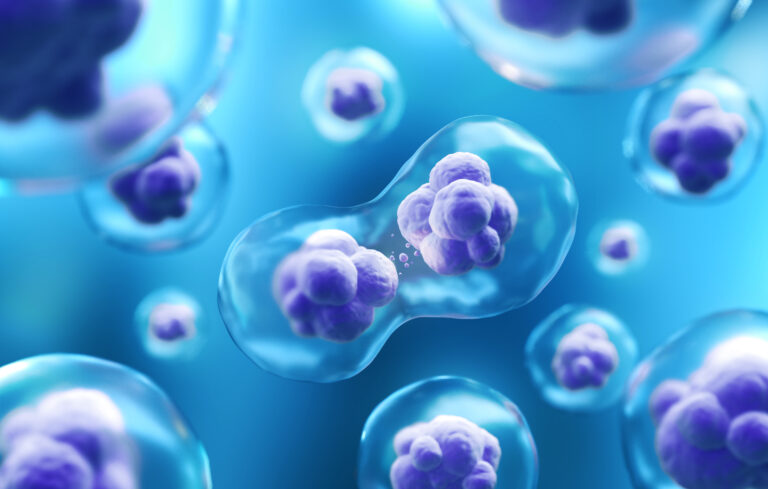
The human body possesses an extraordinary capacity to heal, adapt, and regenerate. At the very core of this biological resilience lies a microscopic powerhouse: the stem cell. To truly grasp the future of modern regenerative medicine, one must first establish a foundationalSTEM CELL Overview and Definition. These unique biological entities serve as the master builders of the human anatomy. Unlike standard cells that have fixed roles—such as pumping blood through the heart or transmitting electrical signals across neural pathways—stem cells begin as entirely unspecialized structures. They hold the profound developmental potential to transform into the myriad of specialized cell types that construct, maintain, and repair the body’s complex tissues and organs.
The Defining Hallmarks of Foundational Cells
What definitively separates a stem cell from a regular somatic cell within the human biological system? Cellular biologists identify these foundational building blocks by two universal and defining characteristics that make them medically invaluable.
The first hallmark is the property of prolonged, often indefinite, self-renewal. Through standard cellular division processes, a stem cell can replicate itself countless times, producing exact copies that retain their pristine, unspecialized state. This unique biological mechanism ensures that a localized reservoir of raw repair material is continuously available throughout a person’s lifespan.
The second defining characteristic is known as potency, or the inherent capacity for cellular differentiation. When stem cells divide, the newly formed daughter cells face a crucial biological juncture. They can either remain in the regenerative pool as unspecialized stem cells, or they can undergo a complex genetic transformation to become specialized cells with dedicated physiological functions. This remarkable biological flexibility is the absolute cornerstone of all human development and natural tissue repair.
Primary Classifications and Cellular Potency
The scientific community categorizes these regenerative entities based heavily on their origin and their level of developmental flexibility. Evaluating these classifications is crucial for recognizing their vast therapeutic potential.
Embryonic Stem Cells (Pluripotent)
At the very top of the developmental hierarchy are embryonic stem cells. Derived from incredibly early-stage embryos known as blastocysts—usually merely three to five days old—these cells are highly prized for a scientific trait known as pluripotency. Pluripotency dictates that they possess the unparalleled ability to divide and mature into virtually any of the more than 200 distinct cell types found in the fully formed human body. This extreme developmental versatility makes them the ultimate biological blank slate for advanced scientific research and theoretical organ regeneration.
Adult or Somatic Stem Cells (Multipotent)
As the human body physically matures, it maintains localized reserves of adult stem cells, also referred to as somatic stem cells. These are strategically hidden away in specific microenvironments within developed tissues such as the bone marrow, the brain, adipose (fat) tissue, and the liver. Unlike their pluripotent early-stage counterparts, adult stem cells are generally classified as multipotent. Their differentiation pathways are naturally restricted, typically limited to generating the specific cell types of the tissue in which they reside. For instance, hematopoietic stem cells located deep within the bone marrow possess the remarkable ability to generate all types of blood components—red blood cells, white blood cells, and platelets—but they will not naturally transform into liver or nerve cells.
Induced Pluripotent Stem Cells (iPSCs)
A revolutionary advancement in modern genetics introduced a transformative third category: induced pluripotent stem cells (iPSCs). Through highly sophisticated genetic reprogramming, molecular biologists discovered how to take ordinary, specialized adult cells—such as mature skin or blood cells—and force them to revert to an embryonic-like, pluripotent state. This monumental breakthrough allows researchers to utilize a patient’s own genetic material, drastically minimizing the risks of catastrophic immune system rejection during potential therapeutic treatments while bypassing historical ethical constraints.
Medical Applications and Advanced Care Infrastructure
Translating complex cellular biology into tangible, life-saving medical therapies remains the primary objective of the field. Today, the most scientifically established and widely recognized clinical application involves bone marrow transplantation. Medical professionals routinely utilize healthy, blood-forming stem cells to aggressively replace diseased, malfunctioning, or radiation-damaged bone marrow. This highly specialized cellular therapy is a critical lifeline for patients battling severe hematological malignancies, severe immune deficiencies, and aggressive bone marrow failure disorders.
Executing these highly sensitive cellular replacement procedures requires world-class medical infrastructure and meticulous patient isolation protocols. Leading international healthcare institutions, such asLiv Hospital, provide the advanced technological environments and specialized multidisciplinary expertise required to safely perform these intensive therapies. Ensuring a sterile, highly monitored environment is strictly paramount while a patient’s compromised immune system slowly rebuilds itself from the newly introduced cellular grafts.
The frontier of cellular biology expands at an unprecedented global rate, shifting the medical paradigm from merely managing disease symptoms to fundamentally repairing damaged anatomy from the inside out. Rigorous scientific investigations continually explore how targeted cellular therapies might eventually reverse severe neurodegenerative diseases, repair ischemic cardiac tissue following a major heart attack, or potentially restore natural insulin production in autoimmune conditions. As modern laboratory techniques continuously refine the processes of safely isolating, rapidly expanding, and precisely directing the differentiation of these microscopic building blocks, cellular biology promises to redefine disease eradication and human longevity for decades to come.