
How General Vets Partner With Specialists For Complex Cases
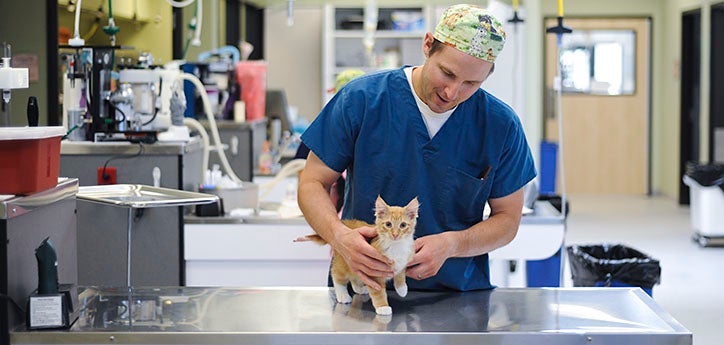
When your pet faces a serious health problem, you want clear answers and steady care. Your family vet knows your pet’s history and daily needs. Yet some problems demand extra skill. In those moments, your vet turns to trusted specialists. Together they form one focused team. They share test results, compare treatment choices, and agree on a single plan for your pet. You still return to your regular clinic for follow-up and comfort. At the same time, you benefit from advanced tools and focused training at a referral center or animal hospital in Guelph. This partnership protects you from confusion and mixed messages. It also cuts delays. You hear one clear voice, backed by many minds. That support matters when you face hard news, high costs, or risky surgery. You do not walk through those decisions alone.
Why Your General Vet Stays At The Center
Your general vet stays as the main point of contact. That structure keeps care steady for your pet and easier for you.
First, your vet knows your pet’s full story. This includes past illnesses, reactions to medicine, stress triggers, and your home routine. Second, your vet understands your limits with time, money, and travel. Third, your vet protects your pet from repeat tests or missed details by sharing records and notes with every specialist.
You speak to one clinic that helps you sort what matters most now. That calm voice can feel like a guardrail when you feel scared or rushed.
When Your Vet Recommends A Specialist
Some problems need tools or training that most general clinics do not keep on site. Your vet may suggest a specialist when your pet has:
- Sudden loss of sight, balance, or strength
- Lasting pain that does not improve with first treatment
- Heart murmur, fainting, or breathing trouble
- Seizures or strange behavior
- Complex fractures or joint damage
- Fast growing lumps or suspected cancer
- Kidney or liver failure
The American Veterinary Medical Association explains that veterinary specialists complete extra years of training and testing in narrow topics. Your vet uses that skill when your pet’s needs go beyond routine care.
Common Types Of Veterinary Specialists
Each specialist focuses on certain body systems or problems. This simple table shows how they differ from your general vet.
| Type Of Vet | Main Focus | Typical Reasons For Referral |
|---|---|---|
| General Veterinarian | Checkups, vaccines, common illness, minor injuries | Yearly exams, skin infections, ear infections, simple dental care |
| Surgeon | Advanced surgery and complex injuries | Cancer removal, joint repair, spinal surgery, major trauma |
| Internal Medicine Specialist | Organs and long term disease | Diabetes, kidney failure, chronic vomiting, unexplained weight loss |
| Cardiologist | Heart and blood vessels | Heart murmurs, fainting, fluid in lungs, high blood pressure |
| Neurologist | Brain, spine, and nerves | Seizures, paralysis, back pain, loss of balance |
| Oncologist | Cancer diagnosis and treatment | Masses, blood cancers, treatment plans for chemo or radiation |
| Ophthalmologist | Eyes and vision | Sudden blindness, ulcers, glaucoma, complex eye surgery |
How Information Flows Between Clinics
Good teamwork depends on clean and fast sharing of information. Your vet and the specialist usually agree on three clear steps.
- Your vet sends records before the visit. This includes past lab work, X-rays, medicine lists, and a summary of the problem.
- The specialist examines your pet and runs any needed tests. Then the specialist writes a report with findings and treatment advice.
- Your vet reviews the report with you and helps you pick the next step.
Sometimes the specialist speaks with you as well for complex choices. Yet your vet stays involved. That shared approach lowers the risk of mixed instructions or missed follow-up.
What You Can Expect During A Referral Visit
You can prepare for a referral visit in three quick ways. You can bring past test results if you have them. You can list your pet’s current food and medicine. You can write down your main questions.
At the visit, the specialist will:
- Review your pet’s history from your general vet
- Perform a focused exam
- Explain possible causes in plain words
- Offer test or treatment paths with clear pros and cons
After the visit, your general vet receives a written summary. You then return to your home clinic for many follow-up checks, rechecks of blood work, and medicine refills. That pattern keeps travel and cost under better control.
How This Partnership Protects Your Pet
Shared care between general vets and specialists gives three strong gains for your pet.
- Earlier diagnosis. Advanced tools such as ultrasound, CT, or scopes can find the cause of illness sooner. The United States Food and Drug Administration Center for Veterinary Medicine notes that early detection can improve treatment success for many conditions.
- Targeted treatment. Specialists help choose exact drugs, doses, or surgery types that fit your pet’s body and disease stage.
- Safer long-term follow-up. Your general vet watches for side effects, new signs, or changes at home and checks back with the specialist when needed.
This partnership also helps you. You face fewer surprise costs, fewer repeat visits, and less confusion about who does what.
Your Role As A Strong Partner In Care
You hold a key place in this team. You see your pet every day. You notice small changes that no chart can show. You can support this shared care by:
- Keeping all records and invoices in one folder or digital file
- Using one written list of questions for both your vet and the specialist
- Sharing honest limits about money, time, and travel
You can also ask both clinics how to reach someone in an urgent situation. Clear contact plans ease panic when your pet’s condition changes at night or on weekends.
Moving Through Hard Choices With Support
Serious illness in a pet can strain every part of your life. It can test your budget, your schedule, and your heart. A close partnership between your general vet and trusted specialists offers structure in that chaos. You gain one shared plan, clear steps, and steady people who know your pet by name. You still make the final choices. Yet you do so with full facts and real support.