
How Vets Monitor Senior Pets For Age Related Issues
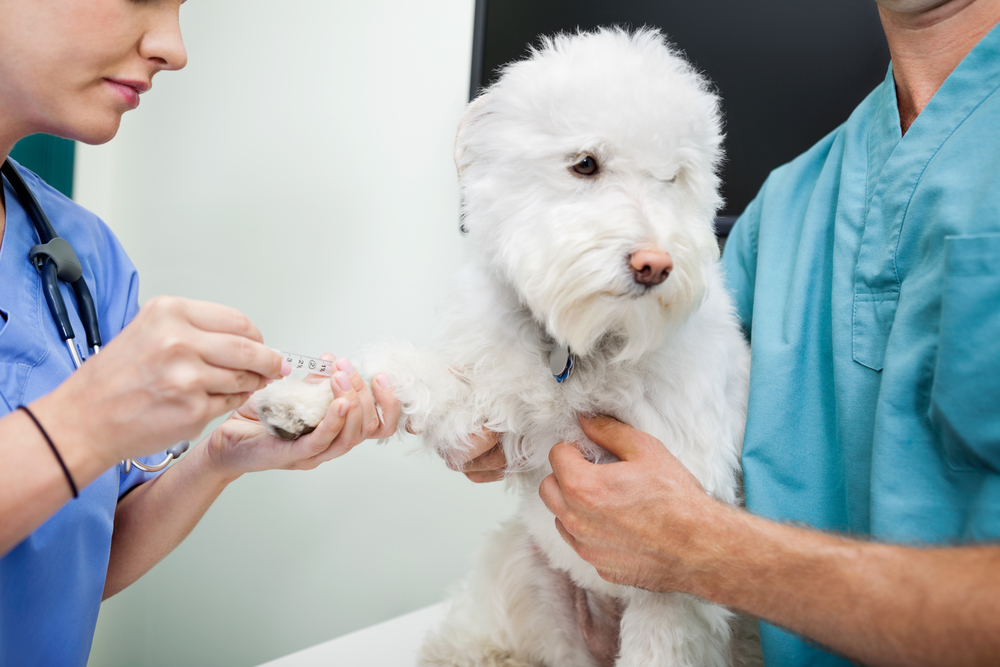
As your pet grows older, small changes can signal real health trouble. You might notice slower walks, cloudy eyes, or accidents in the house. You may feel fear or guilt and wonder if you missed something. Vets watch senior pets with a sharp eye for these age related issues. They rely on regular exams, blood tests, and simple questions about daily habits. They look for early signs of pain, memory loss, heart strain, and hidden disease. You do not need to figure this out alone. You just need to know what to share and what to ask. This guide explains how vets track aging in pets, what you can expect at each visit, and when to push for more tests. It also shows how grooming spots, like a pet salon in Brandon, FL, can help you notice small changes first.
When Your Pet Counts As A Senior
Age sneaks up fast. You see the gray muzzle and longer naps. Vets use rough age ranges to decide when to start senior checks.
Typical Senior Age By Pet Size
| Pet Type | Size | Approximate Senior Age |
|---|---|---|
| Dog | Small (under 20 lb) | 9 to 10 years |
| Dog | Medium (20 to 50 lb) | 8 to 9 years |
| Dog | Large (over 50 lb) | 6 to 7 years |
| Cat | Most breeds | 10 to 11 years |
These numbers are only a guide. Some pets age sooner. Some later. Once your pet reaches this range, you should plan checkups at least twice a year.
What Happens During A Senior Vet Visit
A senior visit is more focused. The vet looks for small warning signs that you may not see at home.
First, the vet asks about daily life. You can expect questions about:
- Eating and drinking
- Bathroom habits and accidents
- Energy level and interest in play
- Sleep patterns and night pacing
- Stiffness, limping, or slow rising
- Behavior changes, such as confusion or sudden anger
Next, the vet does a full body exam. This includes:
- Weight and body shape checks
- Heart and lung sounds
- Eye and ear checks
- Teeth and gum checks
- Joint and muscle checks for pain
- Feeling the belly for lumps or large organs
These steps help catch disease early, when treatment is more effective and less harsh for your pet.
How Blood And Urine Tests Help
Blood and urine tests often feel scary. The words sound harsh. Yet these tests give clear answers that the exam alone cannot show.
Common tests include:
- CBC. Checks red and white blood cells for signs of infection, anemia, or cancer.
- Chemistry panel. Checks kidneys, liver, blood sugar, and electrolytes.
- Thyroid test. Finds slow or fast thyroid function, common in older cats and some dogs.
- Urinalysis. Checks kidney function, infection, and crystals or stones.
The American Veterinary Medical Association explains that regular lab tests help catch kidney and liver disease long before your pet acts sick.
Screening For Hidden Pain And Arthritis
Many senior pets hurt in silence. They do not cry. They just slow down. You might think this is normal age change. Often it is pain.
Vets use three simple tools to spot pain:
- Careful joint exam during the visit
- Questions about stairs, jumping, and getting into the car
- Sometimes X rays to see joint damage
Once pain shows up, the vet can use a plan with three parts. These often include weight control, pain medicine, and changes to daily life, such as softer beds and shorter walks.
Watching For Brain And Mood Changes
Senior pets can show memory and mood problems that look like human dementia. Common signs include:
- Wandering or staring at walls
- Getting stuck in corners
- Forgetting house training
- Waking and pacing at night
- Less interest in family touch
Vets use your stories to spot this pattern. There is no single test. Yet blood work and exams help rule out other causes, such as pain or kidney disease. The Cornell University College of Veterinary Medicine shares more on behavior changes and aging at Cornell Aging Cats. Many of the same ideas also apply to dogs.
Heart, Lungs, And Blood Pressure
Heart strain grows more common with age. The vet listens for heart murmurs and odd rhythms. The vet also checks breathing rate and effort.
If there is concern, the vet may suggest:
- Chest X rays
- Heart ultrasound
- Blood pressure checks
High blood pressure can damage eyes, kidneys, and the brain. Early treatment can protect these organs.
The Role Of Groomers And Home Checks
Groomers and bath times at home give you a close look at your pet. You or a groomer may notice:
- New lumps or bumps
- Skin redness or thick patches
- Overgrown nails that change walking
- Mattes that hide sores
- Strong new odors from ears or mouth
These small signs matter. A good groomer or a careful pet salon in Brandon, FL can alert you early. You can then bring these changes to your vet before they turn into deep disease.
How Often To Visit And What To Track
For most senior pets, plan three simple steps.
- Visit often. See the vet every six months for a full exam and lab tests as advised.
- Watch daily life. Keep notes on appetite, water intake, bathroom use, energy, and mood.
- Share small changes fast. Call the clinic if you see sudden weight loss, heavy breathing, collapse, seizures, or sudden confusion.
You can bring photos or short videos of odd behavior. These help the vet see what you see at home.
Your Role In Your Senior Pet’s Health
You know your pet best. Your stories guide the vet. Your job is clear.
- Ask direct questions about pain, quality of life, and what to expect.
- Be honest about food, treats, and missed pills.
- Set up a plan you can keep, not one that sounds perfect but fails at home.
Age brings change, but it does not have to bring silent suffering. With steady vet checks, clear tests, and your watchful care, your pet can stay comfortable and calm through the senior years.
