
Key Steps to Take After Being Hit by a Commercial Truck
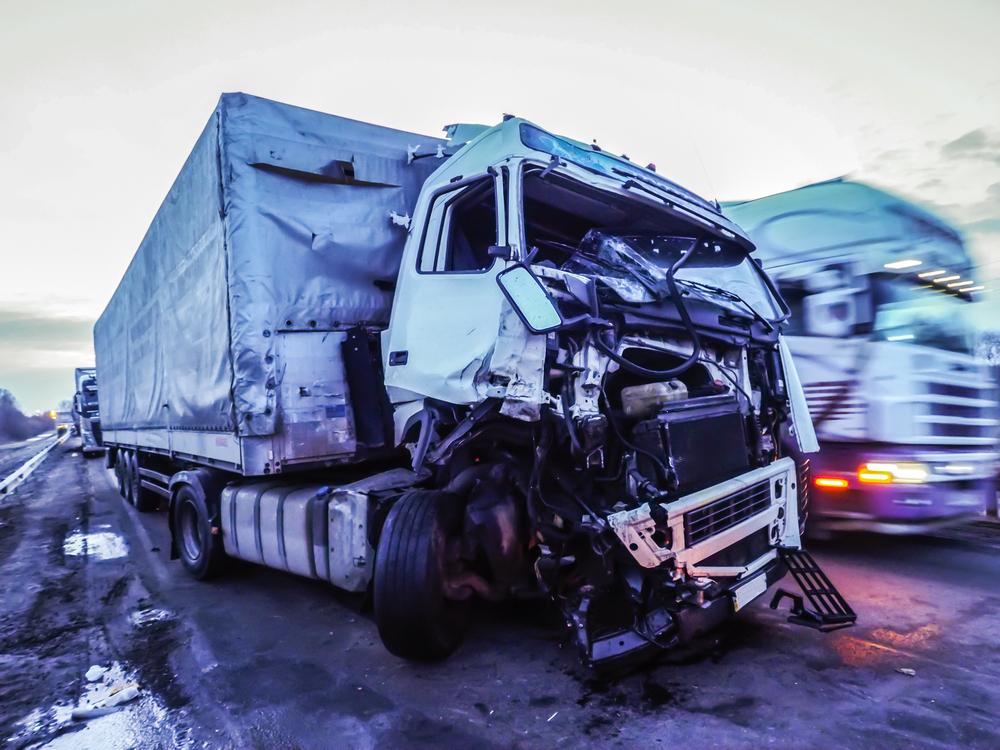
Charlotte, NC is a fast-moving city where daily commutes, commerce, and interstate travel all intersect and when heavy commercial trucks enter the mix, one moment can change everything. In 2023, Charlotte recorded more than 32,900 reportable traffic crashes, the highest in North Carolina, with major routes like I-85 and I-77 continuing to see a high volume of large-truck traffic. These numbers highlight just how quickly a routine drive in the Queen City can turn into a serious emergency, especially when a commercial truck is involved.
If you’re struck by a commercial truck in Charlotte, understanding what to do next is essential for your safety and your legal options. Taking the right steps early can protect evidence, support your recovery, and help a Charlotte truck accident lawyer build a strong claim on your behalf. This introduction walks you through those critical first actions so you’re better prepared in the aftermath of a truck-related crash. This guide highlights the essential steps individuals should follow after being struck by a commercial vehicle.
Ensure Safety First
Although no collision is ever easy to rebound from, particularly not when huge vehicles are involved, well-being is always the priority. If safe to do so, move vehicles off the road to avoid further accidents. First, make sure that all passengers and drivers are safe and not injured. Don’t move anyone who looks hurt unless there is a danger. Call emergency services to get the necessary medical attention and, more importantly, to record this crash.
Contact Law Enforcement
After an accident involving a commercial truck, another key step is calling the police. Law enforcement composes a formal report documenting all involved parties and statements. This is a pivotal document, especially for insurance and legal matters. Comply with responding officers and provide all relevant information. Do not make assumptions about blame or make statements that are unnecessary.
Document the Scene
Collecting comprehensive on-site evidence aids in submitting an insurance claim or dealing with any legal issues you may encounter after the fact. Photograph all cars, visible injuries, and signs in the area, as well as road conditions. Read number plates and any markings on the road. Note the time, location, and weather. If there are witnesses, ask for their contact details and a summary of what they witnessed.
Exchange Information
Get the necessary information from the truck driver and other drivers. Get the name, address, license number, and insurance details of the driver. Always ask for information. Ask for the trucking company’s name, phone number, and driver’s insurance details. Give out your own details too. Don’t talk about blame or fault in this exchange.
Seek Medical Attention
Even if injuries seem minor, a medical evaluation remains important. Some issues might not surface immediately but could become serious later. Medical records from this visit serve as proof of injury and help link it to the accident. Follow the healthcare provider’s instructions and attend all recommended appointments.
Notify Insurance Providers
Report the incident to insurance companies as soon as possible. Fill in accurate information and report any evidence that was collected at the scene. Reporting the accident early can help expedite the claims process and increase the possibility of receiving fair compensation. Record all conversations with insurers so you can refer to them later.
Preserve Evidence
Preserve any items connected with the accident. This might comprise damaged property or clothing or documents such as invoices for warranty repairs and treatment. Keep safe digital copies of photos, medical records, and letters. If disagreements come up later, organized documentation can save the day.
Consider Professional Advice
Commercial vehicle accident claims can be more complex than a normal collision. Commercial drivers have different regulations than private motorists. Speaking to a professional can often clarify rights and/or responsibilities. If your grievance remains unresolved, you can seek compensation, and legal action can aid negotiations.
Monitor Physical and Emotional Health
The impact of being struck by a large vehicle can do more than injure a person physically. Traumatic experiences trigger emotional pain and anxiety. Monitor your mood, your sleep, or other health aspects. Seek counseling or talk to your family and friends when needed. Your mind is also a part of the most important factor on your road to recovery.
Stay Informed Throughout the Process
Stay alert for communication from your insurance agencies, healthcare providers, and any attorneys you may have. Respond to information requests promptly and save copies of all documentation. Just remember that patience and persistence lead to greater rewards.
Conclusion
A collision with a commercial truck can be a traumatic experience. Well-organized, easy-to-follow steps taken in the wake of such an event also safeguard health and legal interests. And practicing safety, documenting the event, getting medical attention if necessary, and following the news can help in recovery so people can act in their best interests.