
The Future of Water Flow: Harnessing the Power of Water Blades
Introduction to Water Blades
Water has always been an essential part of human life, but with the increasing need for sustainable solutions, the focus has shifted towards how we use and manage water efficiently. One of the most innovative tools that are reshaping our interaction with water is the water blade. This tool not only offers aesthetic appeal but also serves practical purposes in a variety of applications. The water blade is gaining recognition across multiple sectors, including energy, conservation, and design. This article delves into the future of water blades and their potential impact on society.
What is a Water Blade?
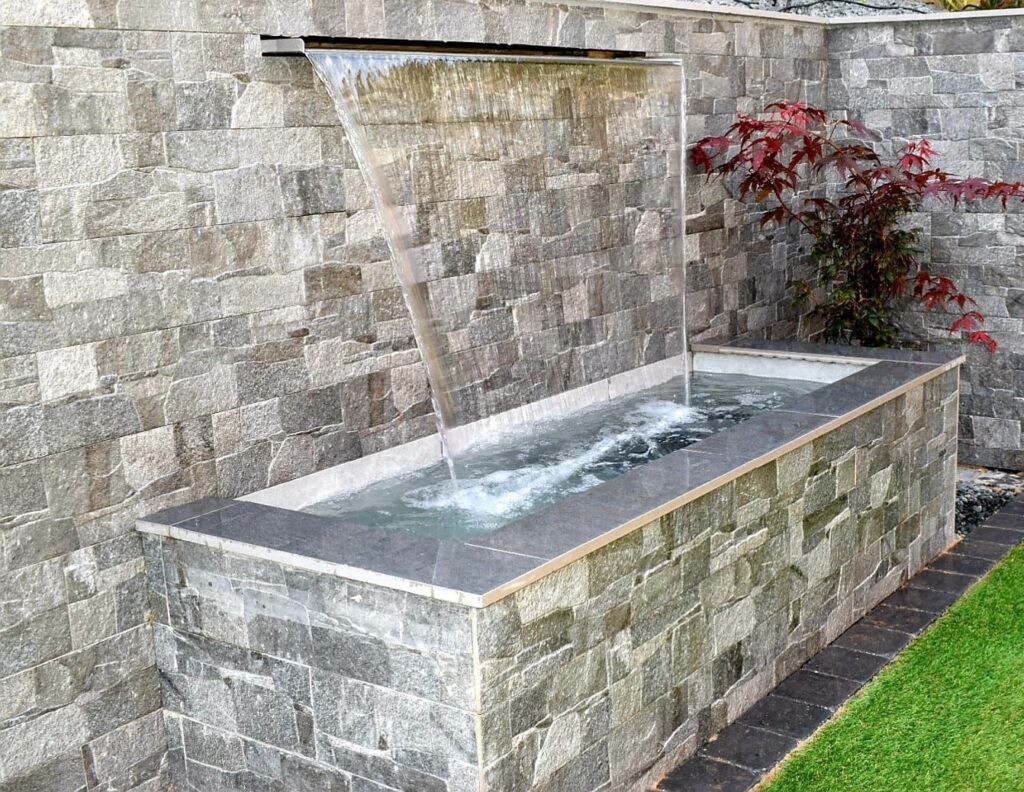
Water blades are specialized tools designed to direct and control the flow of water. The key characteristic of a water blade is its thin, sharp edge that allows water to flow in a uniform, controlled sheet, which creates a visually striking effect. This functionality makes water blades highly desirable in modern landscaping, architecture, and even in renewable energy systems. Their sleek, streamlined design contrasts with traditional water flow mechanisms, offering a more efficient and aesthetic solution.
Design and Functionality
The water blade’s design is both practical and visually appealing. The thin edge ensures that water flows in a smooth, sheet-like form, which can be used for a variety of purposes. Whether used in ponds, fountains, or as part of a larger architectural feature, the water blade offers controlled water movement, reducing waste and improving the overall appearance of the feature. The key benefits of its design include the uniform flow of water, which avoids the erratic splashing common in traditional water features.
Applications Beyond Aesthetics
While water blades are popular for landscaping and decorative features, their applications extend far beyond this. Water blades are becoming integral in energy systems, water conservation technologies, and even in industrial operations. Their ability to efficiently manage water flow makes them ideal for use in low-flow environments, where traditional water flow mechanisms would be less effective.
Water Blades and Renewable Energy: A New Era of Sustainable Power
One of the most exciting applications of water blades is their potential in renewable energy systems. Traditional hydropower relies on large bodies of water, such as rivers and dams, to generate electricity. However, these systems often have significant environmental impacts and require large-scale infrastructure. Water blades, in contrast, can function efficiently in smaller, low-flow water sources, making them an excellent option for decentralized power generation.
Small-Scale Hydropower with Water Blades
Water blades are increasingly being integrated into small-scale hydropower systems, which can generate power from small streams, rivers, or even urban water systems. These small-scale solutions are ideal for rural or off-the-grid locations where larger hydropower systems would not be feasible. The water blade’s ability to manage low-flow water efficiently makes it a key component of these micro-hydropower systems.
The Waterotor Turbine: A Breakthrough in Energy Generation
An example of a technology that utilizes water blades for energy generation is the Waterotor turbine. This turbine is designed to capture kinetic energy from slow-moving water currents and convert it into usable electricity. The design incorporates water blades that optimize the flow of water, enhancing the efficiency of the system. Such innovations are paving the way for more sustainable and localized power generation.
Water Conservation with Water Blades: Saving Resources
As global water resources become scarcer, finding ways to conserve water is increasingly important. Water blades are playing a vital role in reducing water wastage in domestic, commercial, and industrial settings. By providing a more controlled and efficient flow of water, water blades help to minimize waste, making them an ideal solution for water conservation.
Efficient Water Use in Domestic and Commercial Fixtures
In everyday applications, water blades are being incorporated into faucets, showerheads, and other water fixtures. Traditional water fixtures often waste significant amounts of water due to inefficient flow and pressure. Water blades, however, ensure a steady, efficient flow while reducing overall water usage by up to 75%. This makes them ideal for both homeowners and businesses looking to reduce their water footprint and lower their utility bills.
Water Blades in Industrial and Agricultural Applications
Water blades are also being used in industrial and agricultural settings to optimize water usage. In industries like car washes, water blades are used to streamline the drying process, reducing the need for excessive rinsing or additional water use. Similarly, in agriculture, water blades are integrated into irrigation systems to provide precise water distribution, preventing overwatering and minimizing runoff.
Aesthetic Impact of Water Blades in Landscape Design
Beyond their functional benefits, water blades have made a significant impact on landscape and architectural design. Their sleek, linear appearance offers a modern, minimalist alternative to traditional fountains and water features. Water blades are particularly popular in contemporary gardens, where they create a visually stunning effect, enhancing the atmosphere of outdoor spaces.
Enhancing Outdoor Spaces with Water Blades
In landscape design, water blades have become a symbol of modern sophistication. Whether in residential gardens, corporate campuses, or public parks, water blades offer a unique and captivating way to incorporate water features into a design. Their controlled flow adds to the serenity of outdoor spaces, providing a calming and visually appealing environment.
Maintaining Healthy Ecosystems
In addition to their aesthetic value, water blades also serve an important function in maintaining the health of aquatic environments. For example, water blades can improve the aeration of ponds and other water features, preventing stagnation and promoting a healthier environment for plants and fish. This helps to ensure the sustainability of water features while keeping them looking their best.
The Future of Water Blades: Innovations and Advancements
As technology continues to evolve, the future of water blades looks incredibly promising. Advances in design, materials, and energy efficiency are likely to open up new applications and increase the effectiveness of water blades in various sectors.
Smart Water Management Systems
One area where water blades are likely to see further development is in the integration of smart technology. With the rise of the Internet of Things (IoT), it is becoming possible to create smart water management systems that monitor water usage in real time. By combining water blades with sensors and data analytics, these systems can optimize water flow and improve efficiency, reducing waste and conserving resources.
The Role of Water Blades in Sustainable Landscaping
As demand for sustainable landscaping practices grows, water blades will continue to play an important role in creating eco-friendly water features. Designers are finding innovative ways to incorporate water blades into both residential and commercial projects, ensuring that water is used efficiently and responsibly. The sleek design of the water blade aligns perfectly with the principles of sustainable landscaping, making it an essential tool for future projects.
Conclusion: A Powerful Tool for the Future
The water blade is a versatile tool that is revolutionizing the way we manage water. Its efficiency, combined with its aesthetic appeal, makes it an essential component in a range of applications, from renewable energy generation to water conservation and landscape design. As technology continues to advance, the water blade will likely play an even greater role in shaping the future of water management. Whether it is helping to conserve water, generate renewable energy, or enhance the beauty of outdoor spaces, the water blade represents an exciting innovation in the way we interact with one of our most precious resources.
Frequently Asked Questions (FAQs)
What is a water blade?
A water blade is a device designed to create a controlled, smooth sheet of water by directing its flow through a thin, blade-like edge.
How do water blades work in landscaping?
Water blades create a uniform flow of water that enhances the appearance of water features such as ponds and fountains, while also improving aeration and preventing stagnation.
Can water blades be used in low-flow environments?
Yes, water blades are highly efficient in low-flow environments and are often used in small-scale hydropower systems, irrigation systems, and other applications that require minimal water flow.
Are water blades energy-efficient?
Yes, water blades are energy-efficient, especially when used with low-wattage pumps, reducing both water and energy consumption.
How do water blades contribute to water conservation?
Water blades improve the efficiency of water flow in fixtures and irrigation systems, reducing wastage and ensuring that water is used more effectively across various applications.
