
Essential Steps for Safe and Efficient Home Wiring Projects
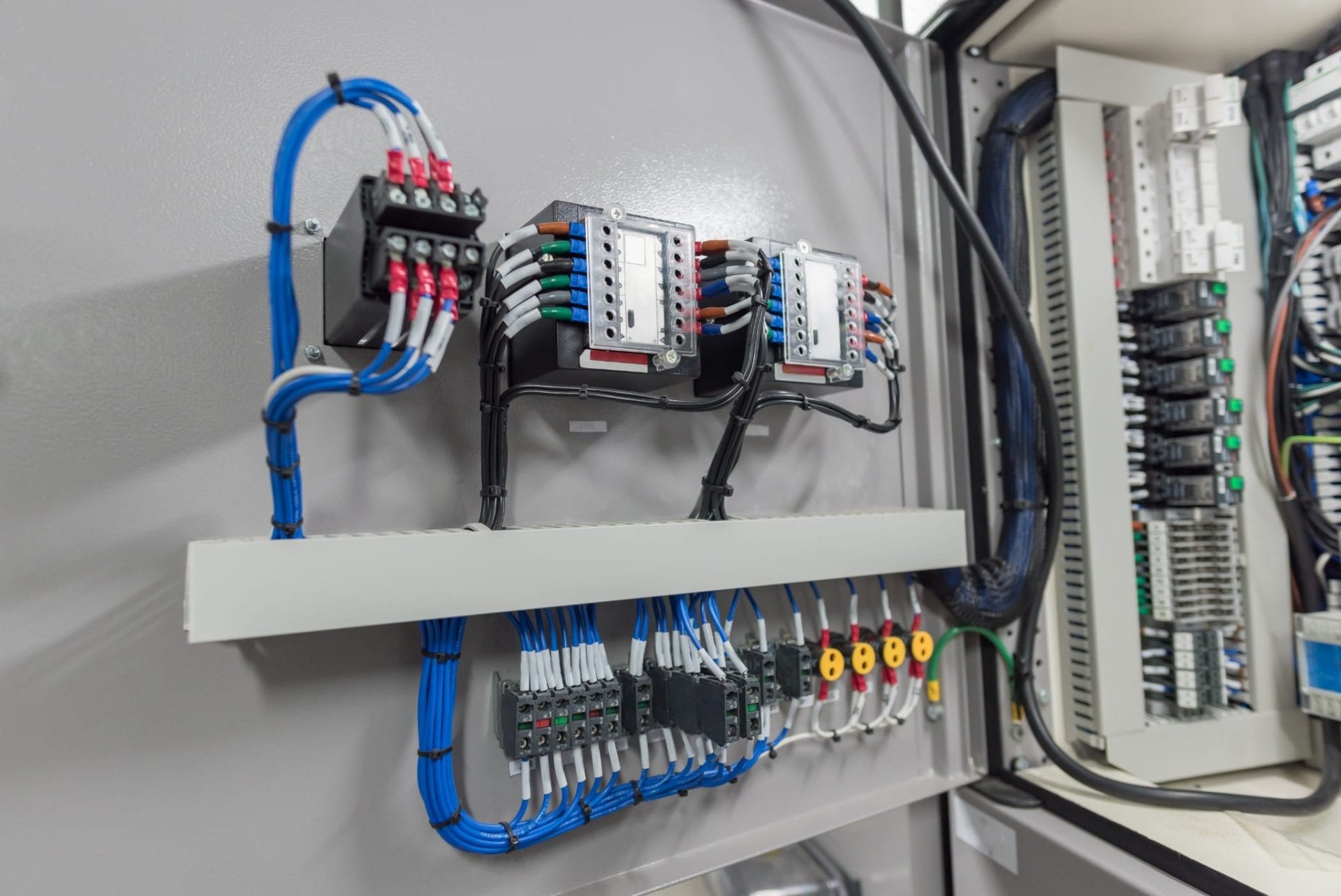
Key Takeaways
- Prioritize safety by turning off power and using appropriate protective gear.
- Plan your electrical layout in compliance with local codes.
- Select high-quality materials that suit your home’s specific needs.
- Ensure proper grounding and install necessary protective devices.
- Conduct thorough testing and regular maintenance.
Table of Contents
- Safety Precautions
- Planning the Electrical Layout
- Choosing the Right Materials
- Ensuring Proper Grounding and Protection
- Installation Best Practices
- Testing and Inspection
- Regular Maintenance
- Incorporating Energy Efficiency
Undertaking a home wiring project is a significant responsibility that demands more than just basic DIY skills. Whether you’re wiring a new space or upgrading an existing electrical system, meticulous preparation, safety awareness, and attention to detail are non-negotiable. Homeowners must not only secure quality components but also comply with codes and protect their loved ones from potential hazards. Planning is vital for a successful project that ensures reliable and safe power for years to come.
Electrical installations can be intricate, and mistakes during the process can lead to equipment failures, fires, or personal injuries. Every phase—from initial design and layout to ongoing maintenance—requires a methodical approach that balances efficiency, cost-effectiveness, and, most importantly, safety. Understanding key procedures and adhering to industry best practices helps ensure a smooth and secure project from start to finish. For those seeking professional guidance on planning electrical services Philadelphia PA, we can provide expert support, helping homeowners and businesses navigate complex installations while minimizing risks and ensuring reliable, code-compliant results.
Modern homes are filled with electronics, appliances, and lighting fixtures that place heavy demands on your wiring system. Choosing solutions that are tailored to your living space is crucial for preventing overloads and enhancing energy efficiency—a key factor in reducing utility costs in the long run. Compliance with local codes protects your investment and meets insurance requirements, adding another critical layer to your planning phase.
It’s best practice to consult expert resources, such as those found on angi.com, throughout the process. DIYers should also know when to involve certified electricians for complex tasks such as installations involving the main service panel or troubleshooting persistent faults.
Safety Precautions
Every successful home wiring project starts with safety. Before you pick up any tools, always switch off the power at the main service panel and lock it out if possible. Use a voltage tester on wires to double-check that power is indeed off. Protective equipment, such as insulated gloves, safety goggles, and primary non-conductive footwear, should be worn at all times to guard against accidental shocks and other injuries.
- Turn Off Power: Always shut down the main breaker before beginning work, and verify with a voltage tester.
- Personal Protective Equipment (PPE): Essential gear includes gloves, goggles, and suitable footwear, especially in damp or confined areas.
Planning the Electrical Layout
Designing an efficient and compliant electrical layout will dictate the project’s success. Assess each room’s expected electrical load, mimicking how you and your family use appliances, eprofoundics, and light fixtures. Outline switch locations and outlet placement for accessibility and code compliance. Consult local building authorities for guidelines on room-specific requirements, especially for kitchens, bathrooms, and outdoor spaces, where moisture protection and outlet spacing are crucial.
- Assess Power Needs: Inventory appliances and equipment to estimate amperage, avoiding the risk of overloaded circuits.
- Code Compliance: Review your city or county’s code requirements; many municipalities base their rules on the National Electrical Code (NEC).
Choosing the Right Materials
The durability and safety of your home’s electrical system depend on the quality and suitability of the materials you select. Use the correct wire gauge according to circuit demand—12-gauge is standard for outlets, while larger appliances may require 10-gauge or thicker wire, based on their amperage draw. All switches, outlets, and circuit breakers should bear certification marks indicating they meet safety standards.
- Wire Gauge: Size wires to match load requirements correctly, to minimize the risk of overheating and fire.
- Quality Components: Opt for UL-listed outlets, switches, and breakers for long-term reliability and assurance of safety.
Ensuring Proper Grounding and Protection
Solid grounding systems are your main defense against electric shock and surges. Attach the home’s ground wire to a grounding rod or other approved grounding electrode and test for low resistance. Install Ground Fault Circuit Interrupters (GFCIs) and Arc Fault Circuit Interrupters (AFCIs) where required, such as in bathrooms, kitchens, and bedrooms, to protect against shock and electrical fires. Thoroughly research or consult code guidelines to determine correct placement.
- Grounding: Earth connections balance voltage surges and protect electronics and people in the event of faults.
- Install GFCIs/AFCIs: Prevent serious shock and reduce fire risk with these life-saving devices.
For additional insights on home wiring codes, see insideoutelectricllc.com.
Installation Best Practices
Precision during installation ensures safe and reliable performance. Insulate all wire ends and secure connections using wire nuts or push-in connectors rated for the specific wire gauge. Every splice or connection must be enclosed in a properly installed, accessible junction box. When adding circuits to a panel, label each one for future reference, making troubleshooting and expansion easier in the long run.
- Secure Connections: Tight wiring connections reduce arcing and improve power delivery.
- Label Circuits: Clearly label each circuit on your main panel for quick identification during inspections or in the event of an emergency.
Testing and Inspection
After all wires are connected and devices installed, rigorous testing is essential. A multimeter or voltage tester checks for proper voltage and verifies that neutral and ground wires are properly configured. Before powering up, conduct continuity checks to detect shorts. Arrange for a professional inspection—often required by local code—to ensure your system is safe and up to standard before it is permanently energized.
- Test Thoroughly: Verify correct voltage, continuity, and grounding with appropriate tools.
- Inspection: Hire a licensed electrician or a city inspector to identify any issues that may have been overlooked during installation.
Regular Maintenance
Routine observation helps extend system life and prevent surprises. Visually inspect outlets and switches for cracks or discoloration, which may be a sign of overheating. If you detect flickering lights or tripped breakers, address problems without delay. Schedule periodic reviews of your service panel and replace outdated or underperforming components as needed.
- Routine Checks: Inspect electrical points for wear and damage periodically, at least a few times a year.
- Prompt Repairs: Fix or replace malfunctioning outlets, switches, or breakers as soon as issues arise.
Incorporating Energy Efficiency
Building energy-efficient habits and utilizing modern technology can significantly reduce your utility bills and your home’s environmental footprint. Replace incandescent bulbs with LEDs and look for Energy Star-certified appliances for your kitchen, laundry room, and HVAC system. These options use less electricity for the same or better performance. Consider installing programmable thermostats and smart outlets to optimize energy use without sacrificing convenience.
- LED Lighting: LEDs last up to 25 times longer and use at least 75% less energy than incandescent bulbs.
- Efficient Appliances: Energy Star-rated appliances reward homeowners with reliable, lower-cost operation while preserving comfort and utility.
Proper planning, technique, and regular attention ensure your wiring will serve you safely and efficiently for years to come. Whether you undertake the task yourself or hire an expert, the investment in safety and quality will always pay off.
