
Why Animal Clinics Are Expanding Telemedicine Services
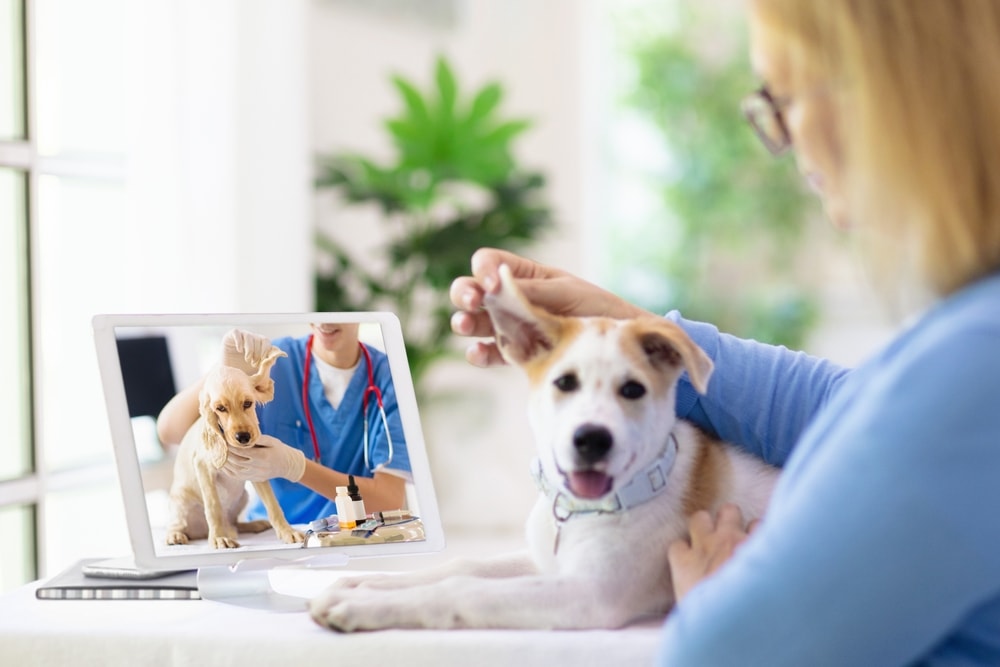
More pet owners now expect quick answers, clear guidance, and less stress for their animals. Telemedicine meets that need. You can talk with a trusted West Palm Beach veterinarian from your couch. Your cat can stay off the cold exam table. Your dog can avoid a scary waiting room. This shift is not a trend. It is a direct response to your real worries about cost, time, and comfort. Clinics use telemedicine to handle follow up visits, minor skin issues, stomach trouble, and behavior questions. They also use it to decide if your pet needs urgent in person care. You get faster support. Your pet gets steady care. Clinics gain a clearer picture of home life, which often explains symptoms. The result is simple. You spend less time anxious and confused. You spend more time knowing what to do next for the animal you love.
How Telemedicine Works For Your Pet
Telemedicine lets you connect with a clinic through video, phone, or secure chat. You share your concern. You show your pet on camera. You answer clear questions from the care team. They study what they see and hear. Then they guide you.
Most clinics follow rules from state boards and groups such as the American Veterinary Medical Association. These rules protect you and your pet. They set limits on what can be done without an in-person exam. They also explain when a clinic must see your pet on site.
In a typical visit, you can expect three steps.
- First, you share your main concern and any photos or short videos.
- Next, the clinician watches your pet move, breathe, and respond.
- Then you receive clear next steps, such as home care, a prescription, or an in-person visit.
Why Clinics Are Expanding These Services
Clinics are not adding telemedicine for convenience alone. They see three strong reasons.
- Rising demand. More families work long hours and care for children and older adults. Trips to a clinic feel heavy.
- Workforce strain. Many clinics have more patients than staff. Telemedicine helps manage time and reduces burnout.
- Public health lessons. During COVID, remote visits became common. Many pet owners still want that choice.
Research from universities and public health agencies shows that remote care can support safe, early action for both people and animals. Guidance from the Centers for Disease Control and Prevention’s One Health program also stresses the close link between human and animal health. Fast advice through telemedicine supports that link.
What Telemedicine Can And Cannot Do
Telemedicine helps most when a hands-on exam is not yet needed. It also helps when you feel unsure if a problem is an emergency.
Common uses include three groups of issues.
- Skin and ear concerns such as rashes, itching, or mild redness.
- Stomach issues such as mild vomiting, soft stool, or small appetite changes.
- Behavior questions such as new anxiety, pacing, or changes in sleep.
Telemedicine does not replace urgent care. Severe injury, trouble breathing, uncontrolled bleeding, or sudden collapse always need in-person help. Telemedicine can still play a role. It can tell you to seek emergency care right away and help you prepare for that visit.
Comparing Clinic Visits And Telemedicine
You may wonder how a remote visit compares with a clinic visit. The table below offers a simple side-by-side view. It is a guide, not a strict rule. Each clinic may set different options based on state laws and staff skills.
| Feature | Telemedicine Visit | In Person Clinic Visit |
|---|---|---|
| Main purpose | Advice, follow up, triage | Full exam, testing, treatment |
| Where you are | Home or any quiet place | Clinic exam room |
| Hands on exam | Not possible | Complete physical exam |
| Typical visit length | 10 to 20 minutes | 20 to 40 minutes |
| Stress for most pets | Lower | Higher |
| Best for | Minor issues, check-ins, questions | New serious illness, injury, surgery |
| Need for travel | None | You transport your pet |
How Telemedicine Protects Your Time And Money
Clinic visits cost time. You plan the trip. You load the carrier. You sit in traffic. You wait in the lobby. For many families, that means unpaid time away from work and school. Telemedicine cuts much of that strain.
You save in three main ways.
- Fewer unnecessary trips when an issue is mild and can be watched.
- Faster referral to in-person care when a problem looks serious.
- Better follow up after surgery, dental work, or chronic care visits.
These gains help clinics, too. Staff can focus in person time on exams and urgent cases. That leads to shorter wait times for you and steadier schedules for staff.
Why Telemedicine Feels Easier For Many Pets
Many animals fear travel and new spaces. The car ride may cause drooling or shaking. The lobby may trigger barking or hissing. By using telemedicine, your pet stays in a known space. That calm setting can show the clinic how your pet acts on a normal day.
This home view helps with three types of problems.
- Long-term pain. The clinician can watch how your pet walks on familiar floors.
- Behavior issues. They can see triggers in the home, such as sounds or other animals.
- Skin issues. Good light and clear photos can show rashes and hair loss.
When stress drops, you can focus. You can listen to advice. You can remember instructions. That leads to better follow through and better comfort for your pet.
How To Prepare For A Telemedicine Visit
Good planning makes a short visit more useful. Before your call, take three steps.
- Write a short timeline. Note when the problem started and what changed.
- Gather records. Have recent meds, food labels, and any lab reports nearby.
- Check your tech. Charge your device and test your camera and sound.
During the call, move to a quiet room. Use a steady light. Keep your pet close but calm. Speak in simple, clear terms. If you do not understand a term, ask for plain language. A good clinic will respect that request.
When To Choose Telemedicine And When To Go In
Use telemedicine when you feel worried but not panicked. Use it when your pet acts somewhat normal, eats a little, and breathes with ease. Also, use it when you need clear next steps after a recent visit.
Skip telemedicine and go straight to an in-person or emergency clinic when you see any of these signs.
- Struggling to breathe or open-mouth breathing in cats.
- Repeated vomiting with no break.
- Large open wounds or heavy bleeding.
- Seizures, collapse, or sudden loss of use of legs.
- Known poison or possible toxin exposure.
Trust your instincts. If you feel deep fear for your pet, seek in-person help right away. You can still ask the clinic to follow up through telemedicine after the crisis.
The Future Of Care For Your Pet
Telemedicine is now a core part of animal care. It gives you faster access, clearer guidance, and more control. It gives clinics a fuller picture of life at home. When you use it with in-person care, your pet receives steady support through every stage of life.
You do not need to wait for the next scare to explore your options. Ask your clinic what telemedicine services they offer. Then keep that plan ready. When worry hits, you will already know how to reach help.