
Why Preventive Dentistry Reduces the Likelihood of Major Procedures
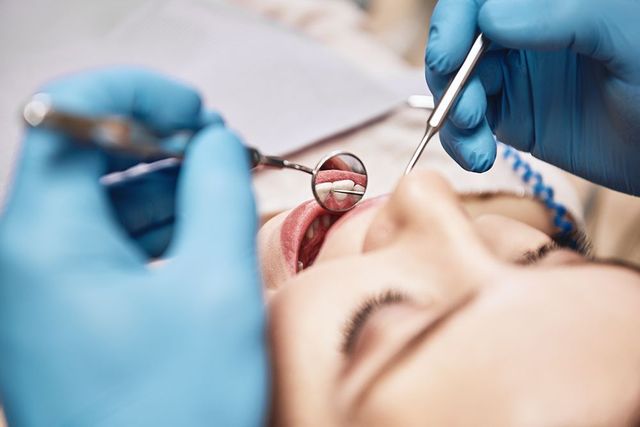
You might not think much about your teeth when nothing hurts, and that is often how bigger dental problems begin. A little bleeding when you brush, a spot that feels sensitive, or a missed cleaning can seem easy to put off, especially when life is busy and money feels tight. Then the story changes, and a visit to a dentist in Chillicothe OH becomes more urgent than expected. What could have been a simple visit turns into talk of fillings, root canals, crowns, or extractions, and that shift can feel frustrating, expensive, and avoidable.
That is why preventive dentistry matters so much. In simple terms, regular exams, cleanings, sealants, fluoride, and early treatment help stop small issues before they become painful and costly procedures. If you have ever wondered why a general dentist keeps stressing routine care, the answer is usually this straightforward. Prevention is often easier on your body, your schedule, and your budget than repair.
Why do small dental problems turn into major procedures so quickly?
Tooth decay and gum disease rarely appear all at once. They tend to build slowly, often without obvious pain at first. According to the National Institute of Dental and Craniofacial Research on tooth decay, cavities develop when bacteria in the mouth produce acids that wear down tooth enamel. At the start, you may not notice anything. But if that decay keeps moving deeper, the tooth can need a filling, then a crown, and in more advanced cases, root canal treatment or removal.
The same pattern shows up with gum health. Mild inflammation may look like occasional bleeding when you floss. Ignore it long enough, and the gums can pull away from the teeth, bone can be affected, and treatment becomes more involved. Because of this, people often feel caught off guard. They think, “How did this get so serious when I only had a little irritation?” The answer is usually time and silence. Dental disease can progress quietly.
That quiet progression is one reason preventive dental care is so effective. It interrupts the process early. A cleaning removes plaque before it hardens into tartar. An exam can catch a weak spot before it becomes a deep cavity. X-rays can reveal issues you cannot see in the mirror. When a general dentist finds trouble early, treatment is often smaller and simpler.
What does prevention actually do for your long-term oral health?
Prevention is not just about avoiding discomfort today. It protects your long-term oral health by reducing the chance that minor issues will spread. The Centers for Disease Control and Prevention explains the broader impact of oral disease, including pain, missed school or work, and effects on eating and speaking. When you stay on top of routine care, you lower the odds that a manageable problem will interrupt daily life in a much bigger way.
There is also a practical side that many people overlook. Major procedures often happen in stages. A lost filling may lead to a crown. A cracked tooth may later need a root canal. A missing tooth can create bite changes that affect nearby teeth. So, where does that leave you? It means early care is not only about one tooth. It can help protect the rest of your mouth from the ripple effects of untreated disease.
For children and teens, preventive steps can be especially helpful. The CDC notes that dental sealants can prevent cavities on chewing surfaces where decay often starts. For adults, fluoride treatments, custom advice on brushing and flossing, and regular checkups can play a similar protective role. The goal is not perfection. It is reducing risk before that risk becomes a larger problem.
How does preventive care compare with waiting until something hurts?
Many people delay care because there is no pain yet, or because they hope the issue will pass. That choice is understandable, but it often leads to more treatment later. Pain is not always the first warning sign. By the time a tooth hurts, the problem may already be deeper than it was months earlier.
| Situation | Preventive Approach | What Waiting Can Lead To |
|---|---|---|
| Plaque buildup | Routine cleaning and home care guidance | Tartar, gum inflammation, deeper periodontal treatment |
| Early cavity | Monitoring, fluoride, or a small filling | Larger filling, crown, root canal, or extraction |
| Deep grooves on molars in children | Sealants to block decay | Cavities that require fillings or more treatment |
| Minor sensitivity | Exam to find wear, decay, or gum recession early | Cracks, nerve irritation, severe pain, more involved repair |
This is the heart of preventive oral care. It gives you the chance to deal with problems while they are still manageable. That does not mean every major procedure can be avoided, because accidents, genetics, grinding, and age all play a role. But prevention improves the odds in your favor.
What can you do right now to lower the chance of major dental work?
1. Keep routine visits on the calendar.
Even if your mouth feels fine, regular exams and cleanings matter. They give your general dentist a chance to spot changes early, remove buildup, and guide you before a small issue grows. If you tend to postpone appointments, schedule the next one before you leave the office. That simple habit can save you stress later.
2. Pay attention to small changes.
Sensitivity, bleeding gums, bad breath that lingers, or a rough spot on a tooth may not seem urgent, but they are worth checking. Early attention can mean a simpler fix. Waiting for pain often means the problem has had more time to spread.
3. Make home care more intentional.
Brush twice a day with fluoride toothpaste, floss daily, and ask whether sealants, fluoride treatments, or a night guard make sense for you or your child. Good home care will not replace professional visits, but it strengthens the protection between appointments and supports every part of your oral health routine.
Can one steady routine really help you avoid bigger treatment later?
In many cases, yes. The reason preventive dentistry reduces the likelihood of major procedures is not mysterious. It works because it catches disease early, slows damage before it spreads, and gives you more options while problems are still small. That can mean fewer surprises, less discomfort, and a better chance of keeping treatment simple.
If you have been putting off a visit, you are not alone, and you do not need to wait for a crisis to act. A general dentist can help you understand where things stand now and what steps may protect you moving forward. Taking care of your teeth early often feels lighter than dealing with the consequences later, and that is a choice worth making.