
3D Scanner for 3D Printer: How Modern Scanning Technology Is Transforming Design, Prototyping, and Production
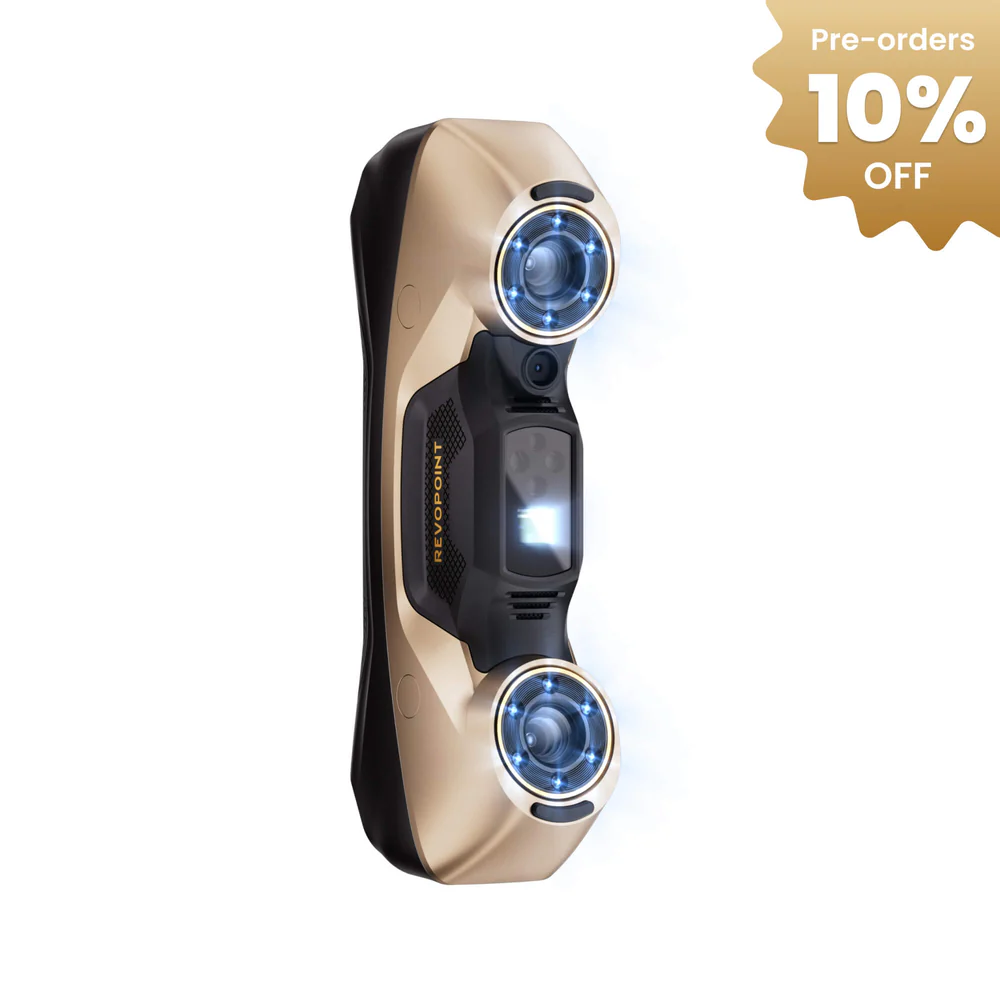
In today’s fast-moving world of design and manufacturing, speed and accuracy are everything. From hobbyists creating custom prints to engineers developing complex products, the ability to move quickly from idea to finished object is more important than ever. This is where a 3d scanner for 3d printer plays a powerful role.
Instead of building digital models from scratch, creators can now scan real-world objects and turn them into precise, ready-to-use 3D files. This shift is changing how products are designed, tested, and produced, making workflows faster, smarter, and far more efficient.
Understanding 3D Scanning Technology
A 3D scanner is a device that captures the shape and dimensions of a physical object. It works by collecting thousands of data points across the object’s surface, creating a digital representation known as a 3D mesh.
This mesh can then be edited, refined, and exported for use in CAD software or 3D printing. Unlike traditional measurement tools that capture only individual dimensions, scanning technology records the complete geometry of an object.
The result is a highly accurate digital model that reflects every curve, edge, and detail, making it ideal for design and production workflows.
From Physical Object to Digital Model
The process of converting a real object into a digital design is simple yet powerful. It usually follows a structured workflow:
- Scanning the Object: A handheld or portable scanner captures the object from multiple angles.
- Processing the Data: Software merges the scanned data into a complete digital model.
- Refining the Design: Users clean up the mesh, fix imperfections, or make adjustments.
- Preparing for Output: The model is exported for 3D printing or further design work.
This process eliminates the need for time-consuming manual modeling and allows creators to focus more on improving their designs.
Transforming Product Design
Designers often start with rough prototypes or physical models. In the past, turning these into digital files required recreating them in software, which could take hours or even days.
With scanning technology, the process becomes much faster. A prototype can be scanned and instantly converted into a digital model. Designers can then modify the model, test different versions, and prepare it for production.
This approach encourages creativity and experimentation. Instead of worrying about complex modeling, designers can focus on refining ideas and improving product performance.
Faster and Smarter Prototyping
Prototyping is one of the biggest beneficiaries of 3D scanning technology. The ability to scan, edit, and print creates a rapid development cycle:
Scan → Modify → Print → Test → Improve
This cycle allows teams to iterate quickly and identify design flaws early. Even small adjustments can be tested without starting from scratch.
As a result, products reach the market faster, and development costs are reduced. For startups and small teams, this efficiency can make a significant difference.
Enhancing Production and Manufacturing
In production environments, accuracy is critical. Even minor measurement errors can lead to faulty parts or assembly issues.
A 3d scanner helps manufacturers capture precise measurements and ensure that components meet exact specifications. Scanned models can be compared with original designs to detect any deviations.
This improves quality control and reduces the risk of costly mistakes. It also makes it easier to reproduce parts consistently, ensuring reliability in manufacturing processes.
Reverse Engineering Made Simple
Reverse engineering is another area where scanning technology excels. When original design files are missing, recreating parts manually can be difficult and time-consuming.
With a 3D scanner, existing components can be scanned and turned into digital models. These models can then be modified, repaired, or reproduced using 3D printing or traditional manufacturing methods.
This approach is widely used for:
- Replacing damaged parts
- Updating older designs
- Customizing existing products
- Maintaining legacy equipment
By simplifying reverse engineering, scanning technology saves time and increases accuracy.
Revopoint: Making Advanced Scanning Accessible
Modern scanning solutions are becoming more accessible, thanks to Revopoint. At Revopoint, users can explore a range of portable and high-precision 3D scanners designed for creators, engineers, and manufacturers.
Revopoint scanners are known for combining performance with ease of use. Many of their devices are lightweight and handheld, making them suitable for both studio and on-site applications.
Key features include:
- High-resolution scanning for capturing fine details
- Real-time tracking for smoother and more accurate scans
- Portable designs for flexible use in different environments
- Compatibility with popular CAD and 3D printing software
These capabilities make Revopoint scanners a practical choice for integrating scanning into everyday workflows.
Practical Applications Across Industries
3D scanning technology is used in a wide range of fields. Designers use it to refine product concepts, engineers rely on it for precise measurements, and artists use it to digitize creative work.
In education, students can learn design and engineering by scanning real-world objects and transforming them into digital models. In manufacturing, companies use scanning for inspection, prototyping, and production planning.
This versatility shows how scanning technology connects the physical and digital worlds in a meaningful way.
Final Thoughts
The combination of 3D scanning and 3D printing is transforming how ideas become real products. A 3d scanner for 3d printer allows users to capture objects, refine designs, and produce accurate results with less effort.
Instead of relying on manual measurements and complex modeling, creators can work faster and with greater precision. A reliable 3d scanner not only improves workflows but also opens the door to new possibilities in design, prototyping, and production.
With innovative solutions from companies like Revopoint, this technology is becoming more accessible than ever, helping makers, designers, and engineers turn their ideas into reality with confidence and efficiency.
