
Best 3D Scanner for 3D Printing: Features, Benefits, and What to Look For Before You Buy
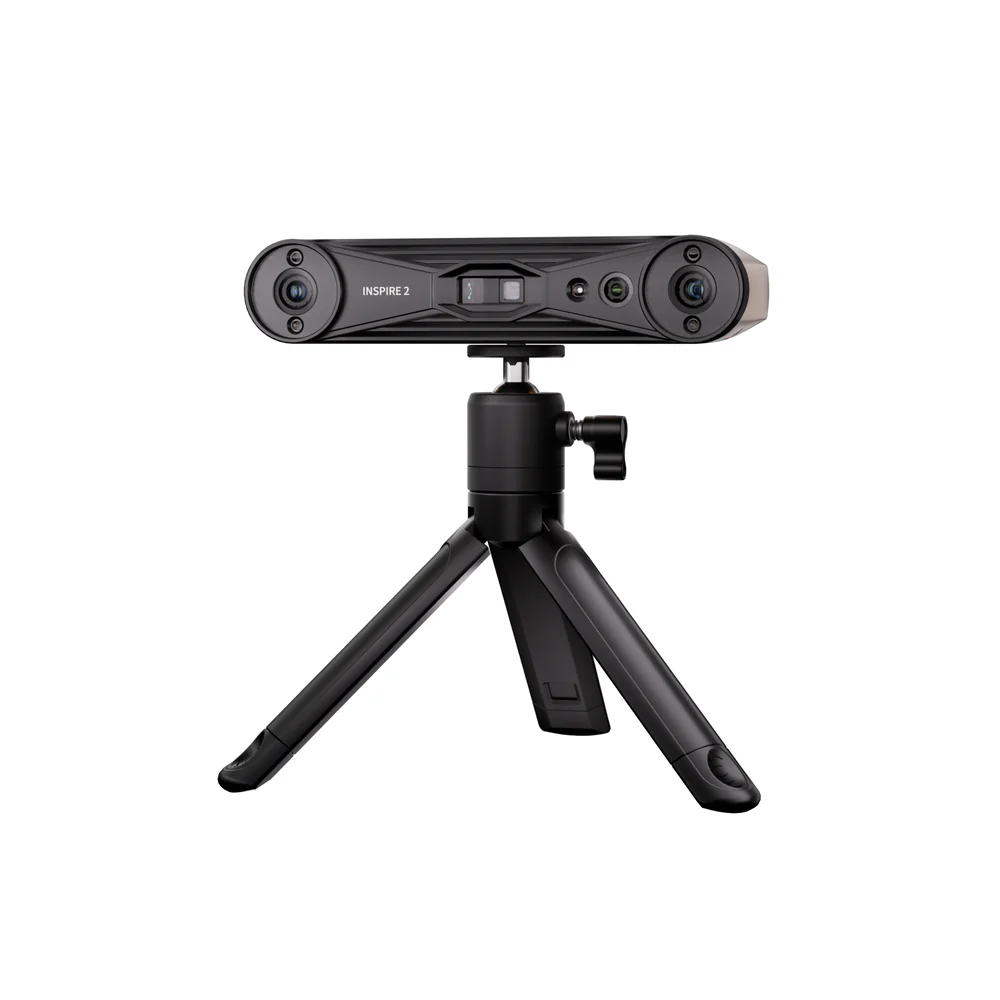
3D printing has made it easier than ever to turn ideas into real objects. But behind every successful print is a high-quality digital model. This is where a reliable 3d scanner becomes an essential tool. Instead of spending hours creating models from scratch, you can scan real-world objects and convert them into accurate 3D files ready for printing.
As more creators adopt 3D printing in 2026, choosing the right scanner has become an important decision. Not all scanners offer the same level of accuracy, speed, or ease of use. Understanding the key features and benefits will help you pick the best option for your needs.
Why You Need a 3D Scanner for 3D Printing
Designing a model manually can be challenging, especially for complex shapes or detailed objects. Even small errors in measurements can affect the final print.
A 3d scanner for 3d printer simplifies this process by capturing the exact geometry of an object. It records thousands of data points across the surface, creating a precise digital model that can be refined and printed.
This approach offers several advantages:
- Saves time in modeling and design
- Improves accuracy and detail
- Makes it easier to replicate real objects
- Allows quick modifications and customization
For both beginners and professionals, a 3D scanner improves workflow efficiency and overall print quality.
Key Features to Look For
When choosing the best 3D scanner for 3D printing, there are several important features to consider.
1. Accuracy and Resolution: Accuracy determines how closely the digital model matches the real object. High-resolution scanners capture fine details, which is essential for functional parts or detailed designs.
2. Scanning Speed: Faster scanners allow you to complete projects quickly and move through multiple design iterations without delays.
3. Portability: Handheld scanners are ideal for flexibility. They allow you to scan objects in different locations, whether in a workshop, studio, or on-site environment.
4. Ease of Use: Beginner-friendly devices with intuitive software make it easier to start scanning without a steep learning curve.
5. Software Compatibility: A good scanner should integrate smoothly with CAD programs and 3D printing software. Features like mesh editing, hole filling, and file optimization are especially useful.
Types of 3D Scanners
Understanding the different types of scanners can help you make the right choice.
- Structured Light Scanners: These scanners project light patterns onto an object and measure distortions. They are highly accurate and suitable for small to medium-sized objects.
- Laser Scanners: Laser scanners use beams of light to capture precise measurements, making them ideal for complex shapes and fine details.
- Handheld Scanners: Portable and flexible, handheld scanners are perfect for scanning objects of different sizes and shapes. Many modern devices combine portability with high accuracy, making them popular among creators.
Benefits of Using a 3D Scanner
A high-quality 3d scanner for 3d printer offers several practical benefits:
- Faster Workflow: Scanning eliminates the need for manual modeling, allowing you to move quickly from concept to print.
- Improved Accuracy: Digital models reflect the real object closely, reducing errors in the final print.
- Reverse Engineering: You can recreate parts that no longer have design files, making repairs and replacements easier.
- Customization: Modify scanned models to create personalized products or improved designs.
- Versatility: From small prototypes to larger components, scanners can handle a wide range of objects.
These benefits make 3D scanners valuable tools for designers, engineers, and hobbyists alike.
Revopoint: A Trusted Name in 3D Scanning
When exploring options, Revopoint stand out for their balance of performance and usability. At Revopoint, users can find a range of scanners designed for different needs, from beginners to professionals.
Revopoint scanners offer features such as:
- High-resolution scanning for capturing fine details
- Lightweight, portable designs for flexible use
- Real-time tracking to improve scanning accuracy
- Compatibility with popular CAD and 3D printing software
These features make them a strong choice for anyone looking to integrate scanning into their 3D printing workflow.
Tips Before You Buy
Before purchasing a 3D scanner, consider the following:
- Define Your Needs: Think about the types of objects you will scan and the level of detail required.
- Check Compatibility: Ensure the scanner works with your existing software and 3D printer.
- Consider Portability: If you plan to scan in different locations, choose a handheld device.
- Evaluate Budget vs Features: Balance cost with performance to find the best value.
Taking these steps will help you choose a scanner that fits your workflow and delivers reliable results.
Final Thoughts
Choosing the best 3D scanner for 3D printing is an important step for anyone looking to improve their design and production process. A reliable 3d scanner allows you to capture real-world objects with precision, while a powerful 3d scanner for 3d printer ensures those models are ready for accurate and efficient printing.
With modern solutions from companies like Revopoint, 3D scanning has become more accessible, portable, and user-friendly. By selecting the right scanner and understanding the features that matter most, you can unlock new levels of creativity, efficiency, and precision in your 3D printing projects.