
4 Steps Veterinarians Take To Monitor Senior Pet Health
You might be noticing small changes in your older pet and wondering what they mean. Maybe your dog sleeps a little longer after walks, or your cat seems less eager to jump to a favorite spot. These shifts can feel easy to brush off at first, yet they also have a way of sitting in the back of your mind. Is this just aging, or is something being missed? Even if you’ve previously looked into Guelph puppy wellness packages for a younger pet, it’s natural to have questions about how care needs change with age.
That tension is common, and it is one reason routine senior care matters so much. As pets age, health issues often develop slowly and quietly, which means early monitoring can make a real difference. The short version is simple. 4 Steps Veterinarians Take To Monitor Senior Pet Health usually include regular exams, weight and body condition tracking, lab testing, and mobility and behavior checks. Together, these steps help catch problems sooner and give you a clearer picture of what your pet needs now.
Why does senior pet health monitoring matter when your pet still seems mostly fine?
Older pets are good at hiding discomfort. A pet may keep eating, greeting you at the door, and following the usual routine while still dealing with pain, kidney changes, thyroid trouble, arthritis, or early heart disease. Because of this, waiting for a big symptom can mean waiting too long.
That is the hard part of aging. The changes are often gradual, and gradual changes are easy to normalize. You may tell yourself your cat is “just slowing down,” or your dog is “just getting older.” Sometimes that is true. Sometimes it is the first sign that your pet needs support. So, where does that leave you?
It helps to know what a general veterinarian actually watches for during senior pet wellness care. The goal is not just to react when something goes wrong. The goal is to build a pattern over time, so small shifts stand out before they become major problems.
What are the four steps veterinarians use in senior pet care?
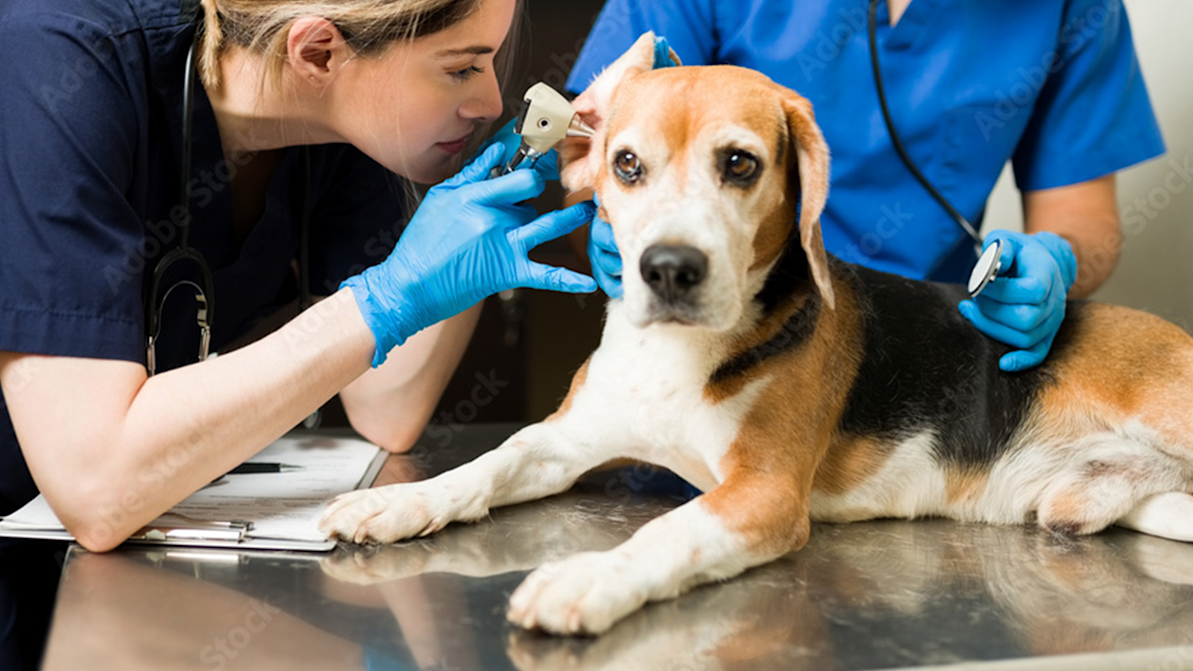
The first step is the physical exam. This is where a general veterinarian checks the eyes, ears, teeth, skin, heart, lungs, joints, and abdomen. It may look routine, but it tells a bigger story. Weight loss, dental disease, a new lump, cloudy eyes, or joint stiffness can all point to changes that need follow-up.
The second step is tracking weight and body condition. That matters more than many pet owners realize. Even a modest weight gain can strain joints and worsen disease risk, while unexplained weight loss can signal illness. The FDA offers helpful guidance on why a healthy weight matters for dogs and cats, especially as they age.
The third step is lab work. Blood tests, urine testing, and sometimes stool testing help detect issues that cannot be seen from the outside. Kidney disease, diabetes, liver problems, thyroid disease, and infection may show up in these results before your pet looks clearly sick. Virginia Tech’s guidance on care for senior pets explains why screening becomes more important with age.
The fourth step is monitoring mobility, behavior, and daily function. This includes changes in sleep, appetite, thirst, bathroom habits, stairs, jumping, walking, and social interaction. A pet who hesitates before climbing steps or starts having accidents in the house is telling you something, even if the message is easy to miss at first.
How do these senior wellness checks compare, and what can they reveal?
Each part of aging pet health monitoring serves a different purpose. One step may catch what another misses, which is why the full picture matters more than any single test or observation.
| Monitoring Step | What the Vet Looks For | Why It Matters |
|---|---|---|
| Physical exam | Lumps, dental disease, heart changes, joint pain, skin issues | Can reveal visible or felt changes before they become severe |
| Weight and body condition check | Weight gain, muscle loss, obesity, unexplained weight loss | Helps track nutrition, pain limits, and hidden illness |
| Blood and urine testing | Kidney disease, diabetes, thyroid issues, liver changes, infection | Finds internal problems early, often before symptoms are obvious |
| Mobility and behavior review | Stiffness, confusion, sleep changes, accidents, appetite shifts | Shows how aging affects daily quality of life |
If you have ever felt unsure about whether a change “counts,” you are not alone. Many owners wait because the sign feels too small to mention. Yet small signs are often the starting point of good senior care. The University of Georgia’s overview of senior wellness services reflects this approach, with regular screening used to spot age-related problems early.
What can you do right now to support your older pet?
1. Start a simple weekly log.
Write down appetite, thirst, bathroom habits, energy, sleep, and mobility. You do not need anything fancy. A few notes on your phone are enough. Patterns are easier to spot when you are not relying on memory alone.
2. Weigh your pet and watch body shape.
Ask your veterinarian what a healthy range looks like for your pet’s age and breed. If your pet is losing muscle over the hips or spine, gaining fat around the ribs, or changing shape, that is worth a closer look. This is one of the most useful ways to support regular pet health checks.
3. Schedule senior exams before a problem feels urgent.
Older pets often benefit from more frequent visits than younger adults. If your dog or cat is entering the senior stage, now is the time to plan routine care, lab screening, and follow-up based on your veterinarian’s advice. Preventive visits are usually easier on your pet, and often easier on your budget, than crisis care later.
When your pet is aging, what matters most?
You do not need to catch everything on your own. You just need to notice changes, trust your instincts, and bring those details to a general veterinarian who can help connect the dots. Aging can feel uncertain, but it does not have to feel directionless.
With steady monitoring, good records, and routine senior care, your pet has a better chance of staying comfortable and active for longer. If your older pet has been showing small changes, now is a good time to schedule a wellness visit and ask what kind of monitoring makes sense for this stage of life.