
How Dentists Help Patients Understand Their Cavity Risk
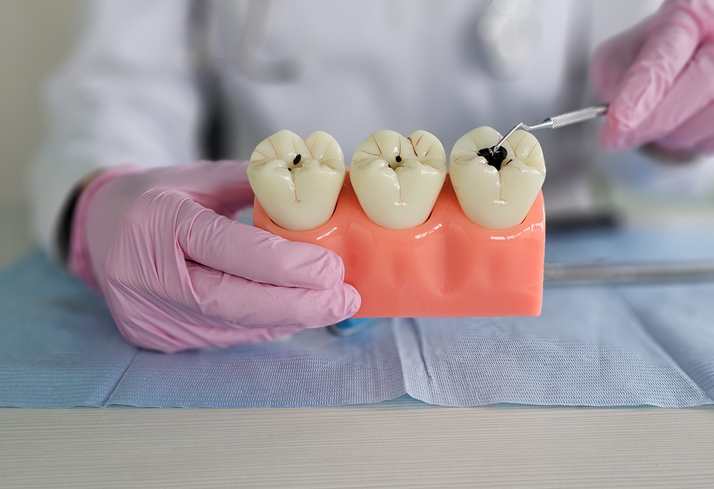
You might be doing many of the right things already, brushing twice a day, trying to cut back on sugar, showing up for cleanings when you can, and still hearing that word no one likes to hear, cavity. That can feel confusing, and for some people, a little discouraging too. If you have ever wondered why one person seems to avoid tooth decay with little effort while another gets cavities despite being careful, you are not alone. The short answer is that cavity risk is not just about brushing. It is about habits, saliva, diet, bacteria, past dental history, and how all of those pieces come together over time, something an Old Town Alexandria dentist can help you better understand.
That is where a general dentist can help. Good dental care is not only about finding decay after it starts. It is also about helping you understand your personal risk, what is driving it, and what changes may actually protect your teeth. When you know what your dentist is looking for, those appointments can start to feel less like a mystery and more like a plan.
Why can cavity risk feel so hard to understand?
Part of the problem is that tooth decay does not always announce itself early. You may feel fine, see nothing unusual, and still have areas where enamel is weakening. According to the CDC overview of cavities and tooth decay, cavities are one of the most common chronic conditions, which means this is a widespread issue, not a personal failure. That matters, because shame often keeps people from asking good questions.
So, what makes one mouth more vulnerable than another? A dentist usually looks at several things at once. Your history matters. If you have had cavities before, your risk may be higher now. Your daily routine matters too, especially how often you eat or drink sugary or starchy foods. Dry mouth can raise risk because saliva helps wash away food particles and neutralize acids. Even factors like medications, orthodontic appliances, or grinding can affect what is happening in your mouth.
Because of this, how dentists assess cavity risk is usually more personal than people expect. It is less about one single test and more about reading patterns. A dentist may review X rays, examine weak spots in enamel, ask about your diet, check for plaque buildup, and talk through symptoms like sensitivity or dry mouth. That conversation can reveal quite a lot.
What does a dentist actually look for during a cavity risk assessment?
If you have ever sat in the chair wondering what the dentist sees that you do not, the answer is often early warning signs. White spots on teeth can point to mineral loss before a cavity fully forms. Gumline recession can expose softer tooth roots. Fillings that are old or cracked may create places where decay can start again. A dentist is also paying attention to whether plaque collects in certain areas again and again, because repeated buildup often tells a story about brushing technique, flossing challenges, or diet patterns.
This is why understanding tooth decay risk can be so helpful. Once you know your weak points, prevention becomes more focused. If your biggest issue is frequent snacking, the plan may center on timing and food choices. If dry mouth is the problem, your dentist may suggest fluoride products, more water, or a review of medications with your physician. If deep grooves in molars are trapping food, sealants may come up as an option.
Need a clearer picture of the bigger issue? The CDC oral health surveillance findings show that tooth decay remains common across age groups, which helps explain why dentists put so much attention on prevention instead of waiting for pain to appear.
How does professional guidance compare with guessing on your own?
It is easy to assume that if you brush more aggressively or switch toothpaste brands, things will improve. Sometimes that helps, but sometimes it misses the real cause. A person with dry mouth, for example, may need a very different plan than a person whose main issue is sipping sweet drinks throughout the day. That is one reason a cavity risk assessment can save time, money, and frustration.
| Approach | What It Usually Looks Like | Likely Outcome |
|---|---|---|
| Guessing at home | Changing products without knowing the cause, brushing harder, cutting one food but not the pattern behind decay | May help a little, but hidden risks can stay in place |
| Professional dental evaluation | Exam, X rays when needed, review of habits, saliva concerns, past cavities, and current weak spots | More targeted prevention and earlier treatment when needed |
| Ongoing prevention plan | Fluoride guidance, diet changes, cleanings, sealants, home care coaching, follow up | Better chance of slowing or stopping decay before it becomes larger and more costly |
If you want a plain language review of how decay starts and progresses, MedlinePlus explains tooth decay in a way that helps many patients connect the science to daily habits.
What can you do right now to lower your risk?
You do not need to change everything overnight. In fact, small, steady changes usually work better because they are easier to keep. So where does that leave you today?
1. Track your eating and drinking pattern. For two or three days, notice how often your teeth are exposed to sugar or starch, including snacks, soda, sports drinks, sweet coffee, and even frequent crackers. It is often the frequency, not only the amount, that raises risk.
2. Ask direct questions at your next dental visit. Ask, “What is raising my cavity risk most right now?” and “What one change would help me most?” That turns a routine visit into useful guidance. A good general dentist can explain whether the concern is plaque, dry mouth, old dental work, diet, or something else.
3. Build a prevention routine that fits your life. Brush with fluoride toothpaste, clean between teeth daily, and follow through on any product your dentist recommends for your specific needs. If your routine is too hard to maintain, it usually will not last. Simple and consistent is better than perfect for one week.
What does all of this mean for your next dental visit?
It means your appointment can be about more than finding cavities. It can be a chance to understand why they happen and what can be done to lower the odds going forward. That shift matters. When you understand your risk, you are in a better position to protect your teeth, avoid bigger treatments, and feel less blindsided by dental news.
If you have been feeling confused, frustrated, or a little worried about repeated cavities, that feeling makes sense. The good news is that risk can often be reduced once the causes are clear. Reach out to a trusted general dentist and ask for a conversation about your personal cavity risk, your daily habits, and the next steps that make the most sense for you.