
Why Preventive Dentistry Builds Trust Between Dentist And Patient
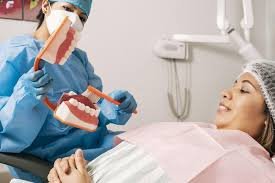
Preventive dentistry does more than protect your teeth. It shapes how you feel about your dentist and your own health. When you come in before there is a crisis, you see problems early. You also see how your dentist thinks, explains, and plans. That steady pattern builds trust. You know what to expect. You see clear steps, honest talk, and no pressure. Regular cleanings, checkups, and simple X rays give you proof that your mouth is either on track or needs care. That proof matters when you must face bigger choices, such as fillings, root canals, or implant-supported dentures in Livermore. You already know your dentist listens and respects your limits. You already know your dentist explains costs and choices in plain words. So you can say yes or no with a calm mind. Preventive care turns a quick visit into a long term partnership.
How Preventive Visits Build Safety And Respect
Trust grows when you feel safe, heard, and prepared. Preventive visits give that structure. You come in when you are not in pain. So you can think clearly. You can ask questions. You can learn.
During these visits, your dentist can:
- Check your teeth and gums for early signs of trouble
- Clean away plaque and tartar that you cannot remove at home
- Review your brushing and flossing habits without blame
You see your dentist focus on your long term health, not just on the problem of the day. That steady care shows respect. It also shows you matter as a person, not just as a case.
Clear Information Reduces Fear
Fear grows in silence. Trust grows with clear facts. During preventive visits, your dentist has time to explain what is going on in your mouth. There is no rush to stop pain. There is time for straight talk.
Your dentist can show you:
- Where early decay is starting
- Where gums are starting to pull back
- How old fillings or crowns are holding up
The Centers for Disease Control and Prevention explains that tooth decay and gum disease often start without pain. Preventive care lets you see trouble before it hurts. That knowledge gives you control. You can choose care based on facts, not fear.
Routine Care Builds A Shared Routine
Trust also comes from simple routine. When you visit every six months, you and your dentist follow the same rhythm.
Each visit often includes three parts:
- Review of your health history and any new concerns
- Cleaning and screening for decay and gum disease
- Short talk about next steps at home and in the office
You know the steps. You know the cost range. You know how long it will take. That steady pattern lowers stress. It also helps your child or partner feel calm when they come with you.
Preventive Care Makes Treatment Feel Fair
When you only see a dentist in a crisis, every visit involves pain, urgency, and cost. That can feel unfair. Preventive care changes that story.
You see small issues while they are still simple. You can compare choices such as:
- Waiting and watching a tiny spot
- Placing a small filling now
- Planning for a crown later if needed
Because you saw the early signs, a larger treatment later does not feel sudden. It feels like the next step in a plan you helped build. That sense of fairness builds trust.
Comparison Of Preventive And Emergency Dental Care
| Type of visit | Typical timing | Your stress level | Average cost and time | Impact on trust |
|---|---|---|---|---|
| Preventive visit | Every 6 to 12 months | Lower | Lower cost. Shorter visit | Higher. You see planning and clear talk |
| Early treatment visit | When a small issue is found | Moderate | Moderate cost. Moderate visit time | Steady. You feel heard and involved |
| Emergency visit | When pain or breakage starts | High | Higher cost. Longer visit | Lower if this is the only pattern you know |
Regular visits shift most of your care into the first two rows. That shift protects your mouth. It also protects the trust you place in your dentist.
How Preventive Dentistry Supports Your Whole Health
Your mouth connects to the rest of your body. The National Institute of Dental and Craniofacial Research notes links between gum disease and conditions such as diabetes and heart disease. When your dentist checks your mouth, you gain clues about your general health.
During a preventive visit, your dentist may:
- Check for signs of dry mouth from medicines
- Look for signs of grinding or stress
- Screen for oral cancer
When your dentist shares these findings with care and clarity, you feel seen as a whole person. That deepens trust far beyond one tooth or one sore spot.
Steps You Can Take To Build Trust Through Prevention
You play a strong role in this partnership. You can build trust through simple steps.
First, keep regular checkups. Do not wait for pain. Set reminders and treat visits as part of your normal health routine.
Second, ask questions. Ask what the dentist sees. Ask what can wait and what cannot wait. Ask how home care can change the picture.
Third, share your worries. If money, time, or fear is holding you back, say so. A good dentist will adjust the plan, explain options, and respect your pace.
Why This Trust Matters When You Need Bigger Care
At some point, you may need major treatment. That may include crowns, root canals, or tooth replacement. When that day comes, trust becomes critical.
If you already know your dentist from years of preventive care, you bring a history into that hard moment. You know how they talk. You know how they handle your pain. You know they have warned you early when they could.
That history lets you face big choices with a steadier mind. You can weigh options. You can ask for time. You can ask for a second opinion without shame. That is the true strength of preventive dentistry. It protects not only your teeth. It protects the bond between you and the person who cares for them.