
Why Vaccination Programs Begin At Animal Hospitals
You might be feeling a quiet worry every time you look at your dog or cat and wonder if you are really doing enough to keep them safe. Maybe the veterinarian in Queen West, Toronto mentioned vaccines at your last visit and you nodded along, but later you thought, “Do they all really need to start at the animal hospital? Couldn’t I just space this out or skip a few?”end
It often starts with a reminder card, an email, or a quick note at checkout. Your pet is due for vaccines. Life is busy, money is tight, and your pet seems perfectly healthy. Because of that tension, you might feel torn between wanting to protect them and wanting to avoid one more appointment and one more bill.
Here is the short version. Vaccination programs begin at animal hospitals because that is where your pet can be safely examined, given the right shots at the right time, and monitored for any reaction. It protects your pet, the other animals they meet, and even the people in your home. You are not just paying for a needle. You are paying for medical judgment, proper storage, and follow up care.
So where does that leave you, standing between worry and action, wondering what actually happens behind those clinic doors and why it matters so much?
Why do vaccination schedules usually start at the animal hospital?
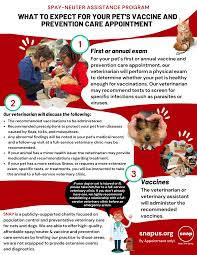
Think about how fragile a young puppy or kitten is. They are curious, they lick everything, and their immune systems are still waking up. That is why pet vaccination programs usually begin early, often around six to eight weeks of age, and almost always at an animal hospital.
At that first visit, your vet is not only giving shots. They are checking your pet’s heart, lungs, weight, hydration, and overall development. If a puppy has a fever, diarrhea, or is underweight, the timing or type of vaccine might need to change. Without that exam, the same shot that helps one healthy animal could overwhelm another that is already struggling.
The other reason these programs start at animal hospitals has to do with safety and quality. Vaccines need careful handling. They must be stored at the right temperature and mixed correctly. In a clinic, staff are trained to prepare and give vaccines in a way that protects both your pet and themselves. If something goes wrong, they have emergency medications ready and know what to do.
Because of this, an animal hospital vaccination program is less about giving as many shots as possible and more about tailoring a plan that fits your pet’s age, lifestyle, and health history. A mostly indoor cat, for example, may need a different schedule than a dog that goes to daycare, dog parks, and hiking trails every weekend.
What happens if vaccines are skipped or delayed?
It can feel tempting to put vaccines off. Maybe your cat hates the carrier, or your dog shakes at the sight of the clinic door. You might think, “They never leave the house, what are the chances?” That thought is very human, and very common.
Here is the hard part. Many of the diseases vaccines prevent are serious, fast moving, and expensive to treat. Parvovirus in puppies can lead to days in intensive care with IV fluids and strong medications. Rabies is almost always fatal once symptoms appear, and it carries legal consequences if your pet bites someone and is not up to date.
Even indoor pets are not completely safe. People can bring viruses in on their shoes and clothes. A bat or other wildlife can sneak into a home. According to public health guidance for cats and other companion animals, many infections that start in pets can affect humans too. You can read more about that in this practical overview from the CDC on cats and human health risks.
So when vaccines are skipped or delayed, the cost is not just emotional. It can become financial as well. A single emergency visit and hospital stay for a preventable disease often costs far more than years of routine checkups and vaccines.
How do the risks and benefits of starting vaccines at an animal hospital compare?
You might be wondering how to weigh the hassle and cost of regular clinic visits against the protection they provide. A simple way to see this is to compare the main concerns side by side.
| Question | Starting vaccines at an animal hospital | Delaying or skipping vaccines |
|---|---|---|
| Immediate cost | Predictable visit fees and vaccine charges spread over time | No cost up front, but risk of very high emergency bills later |
| Health risk to your pet | Lower risk of serious diseases like parvo, distemper, and rabies | Higher risk of infection, suffering, and possible long term damage |
| Health risk to people | Lower risk of pet transmitted diseases in the home and community | More concern if someone in the home is very young, elderly, or immune compromised |
| Legal and community requirements | Helps stay compliant with local rabies laws and boarding or daycare rules | Possible legal trouble after a bite or exposure, limits on travel and boarding |
| Monitoring and follow up | Vet checks for side effects, tracks boosters, adjusts schedule as needed | No professional oversight, reactions or early disease signs might be missed |
Veterinary groups such as the American Veterinary Medical Association offer clear explanations of core and non core vaccines. If you want to see which vaccines are usually recommended and why, you can review their resource on pet vaccinations and schedules.
What practical steps can you take right now?
When you are already feeling overwhelmed, it helps to have simple, concrete actions you can take without needing to become an expert overnight.
1. Ask for a personalized vaccine plan, not a one size fits all list
At your next visit, tell your vet about your pet’s life in real detail. Do they go to boarding? Travel with you? Live with small children or an elderly relative? A thoughtful vaccination service for pets should factor in lifestyle, age, and health conditions. Ask which vaccines are “core” for all pets and which are optional based on risk. This turns the appointment into a conversation instead of a lecture.
2. Plan ahead for the emotional and financial side
If your pet is nervous, ask the clinic how to make the visit easier. Some hospitals allow you to wait in the car until a room is ready. Others suggest calming aids or practice visits where nothing scary happens. On the financial side, ask for an estimate of the full puppy or kitten series, or adult boosters, so you can budget in advance. Many clinics offer wellness plans or spread out vaccines over several visits to make it more manageable.
3. Watch your pet closely after each vaccine and keep records
Most pets do very well with vaccines. They might be a little sleepy or sore at the injection site for a day. Still, you know your animal best. After each visit, keep an eye on their appetite, energy, and breathing. If something feels off, call the clinic right away. Also, ask for a printed or digital vaccine record and keep it in a safe place. This makes boarding, grooming, or travel much easier later on.
How can you feel more at peace with starting vaccines at an animal hospital?
You care enough to read and worry, which already says a lot about the kind of guardian you are. The goal is not to turn you into a veterinarian. The goal is to give you enough clarity that your choices feel deliberate rather than rushed or driven by fear.
When you choose to start your pet’s vaccine program at an animal hospital, you are choosing trained eyes on your pet, safe handling of vaccines, and a partner who can adjust the plan as your pet grows and your life changes. You are also choosing to lower the chances of painful disease, emergency visits, and heartbreaking decisions later.
You do not have to sort this out alone. Reach out to your local animal hospital, share your worries openly, and ask for a clear, step by step plan. Your questions are not an inconvenience. They are part of how you protect the animal who depends on you.