
How Veterinary Hospitals Handle Complex Surgeries When Your Pet Needs More Than “Routine” Care
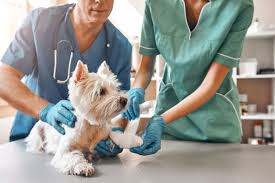
You might be staring at a treatment estimate or a referral note right now, wondering how life flipped so quickly. One day, your pet was just “a little off.” Now you are hearing words like “orthopedic repair,” “tumor removal,” or “advanced procedure,” from your Whitinsville veterinarian, and it feels like the room got smaller.end
You may be scared about anesthesia, worried about pain, confused by the medical language, and quietly asking yourself if you are making the right choice. That mix of love, fear, and responsibility is heavy. You are not overreacting. Any caring person in your shoes would feel the same.
Here is the short version of what follows. Modern veterinary hospitals have structured systems for complex surgeries. They do careful pre-op testing, team-based planning, advanced anesthesia monitoring, and detailed aftercare. You will learn how that process usually works, what questions to ask, how to weigh risks and benefits, and what steps you can take now to feel more confident about your pet’s surgery.
Why does “complex surgery” feel so overwhelming for pet owners?
When a veterinarian says your pet needs more than a simple procedure, your brain often jumps straight to worst-case scenarios. You think about the operating room, the machines, the risk of not waking up, and the cost. It is not just a medical event. It is an emotional and financial decision wrapped around a living being you love.
The first challenge is uncertainty. You might not fully understand what the surgery is trying to fix or what happens if you wait. For example, a dog with a torn cruciate ligament might still walk, so surgery can feel optional, yet delaying repair can lead to arthritis and lifelong lameness. A cat with a small mass in the abdomen may seem “fine” today, but that mass could be cancer that grows silently.
The second challenge is fear of regret. You might worry, “What if something goes wrong under anesthesia?” or “What if I put my pet through this and it does not help?” That fear can keep you stuck between doing something and doing nothing, and both choices feel risky.
The third challenge is cost and logistics. Complex procedures often mean advanced imaging, specialized equipment, or referral to a teaching hospital. That can mean higher fees, travel, and more time away from work. It can feel like you are choosing between your budget and your pet’s health, which is an awful position to be in.
So, where does that leave you? It helps to know what actually happens behind the scenes when a veterinary hospital prepares for and performs a complex operation.
What really happens inside a veterinary hospital before and during complex surgery?
When people talk about how veterinary hospitals handle complex surgeries, it is not just about a surgeon and a scalpel. It is a series of steps designed to reduce risk and increase comfort for your pet.
First comes assessment and planning. Your veterinarian or surgical specialist reviews medical records, does a full physical exam, and orders tests like bloodwork, imaging, or sometimes advanced scans. At some teaching hospitals, you may also be asked to review detailed consent documents, such as the type of clinical consent used for innovative procedures like histotripsy, which you can see in this example of a client surgical consent form. These documents are not meant to scare you. They are meant to clarify risks, benefits, and alternatives.
Next is anesthesia planning. An anesthesiologist or trained veterinary team member looks at your pet’s age, breed, medical history, and test results. They choose drugs and monitoring methods tailored to your pet. For an older cat with kidney disease, for instance, they may adjust fluids and avoid certain medications. For a brachycephalic dog with a short nose, they prepare for airway support before, during, and after the procedure.
During surgery, there is usually a small team. The surgeon focuses on the operation itself. Anesthesia staff monitor heart rate, blood pressure, oxygen levels, and breathing in real time. Veterinary technicians manage equipment, sterile technique, and patient positioning. In advanced centers that handle many complex pet surgeries, there are strict protocols for checklists, infection control, and emergency response, very similar to human hospitals. You can see an overview of how a large teaching hospital organizes different types of procedures for cats and dogs in this resource on small animal surgery care.
After the operation, the focus shifts to pain control and recovery. Your pet is monitored as they wake up. Pain medications are adjusted, and the staff watches for bleeding, breathing issues, or nausea. Only when your pet is stable and comfortable do they move to a regular ward or go home with you.
Knowing this, you might ask the next logical question. How do you weigh the real risks and benefits of advanced surgery against doing less or doing nothing?
How can you compare your options for complex veterinary surgery?
There is no one right answer for every pet. What matters is understanding what you gain and what you risk with each path. The table below offers a general comparison for a pet facing a serious but treatable condition, such as a tumor that can be removed or a major orthopedic injury.
| Option | Potential Benefits | Key Risks or Downsides | Best Fits When |
|---|---|---|---|
| Advanced surgery at a veterinary hospital | Addresses the root problem, can extend life, improves comfort and mobility, access to specialized equipment and trained teams | Higher cost, anesthesia risk, recovery time, possible complications that may require follow-up | The condition is likely fixable or manageable with surgery, and your pet is strong enough for anesthesia |
| Conservative or medical management only | Lower upfront cost, no surgical wound, less immediate stress on the body, easier logistics | May not fix the underlying issue, ongoing pain or disability, higher long-term care costs, condition may worsen silently | Surgery is too risky, prognosis with surgery is poor, or the problem is mild and closely monitored |
| Watchful waiting with close monitoring | Buys time to gather more information, avoids rushing, can be appropriate for slow-growing issues | Risk of disease progression, options may narrow if the condition worsens, ongoing uncertainty for you | Your veterinarian believes a short delay is safe, and you are tracking clear signs that would trigger more active treatment |
These are not abstract choices. For example, if your dog has a removable skin tumor and is otherwise healthy, surgery at a hospital that regularly performs advanced veterinary surgery may give the best chance at cure or long remission. If your elderly cat has multiple organ issues and a very aggressive cancer, conservative care focused on comfort may be kinder and more realistic.
The “right” decision is the one that respects your pet’s quality of life, your family’s limits, and the medical facts in front of you. To get there, you need clear, concrete steps.
What can you do right now to prepare for your pet’s complex surgery?
1. Ask your veterinary team very specific questions
Vague reassurance does not help much. Ask your veterinarian or surgeon questions like:
- What is the exact goal of this surgery for my pet?
- What happens if we do not do the surgery, or if we delay it?
- Who will be in the room during the operation, and who monitors anesthesia?
- How many times has this hospital performed this type of procedure?
- What should I watch for at home during recovery, and when is it an emergency?
Write the answers down. This reduces confusion later when your mind is tired or emotional.
2. Plan for the financial and practical side in advance
Ask for a written estimate that includes pre-op tests, the surgery itself, hospitalization, medications, and follow-up visits. Clarify which items are “must-haves” and which are optional. If cost is a serious concern, say that out loud. Many hospitals can suggest phased diagnostics, payment options, or slight adjustments that do not compromise your pet’s safety.
On the practical side, arrange your schedule for the surgery day and early recovery. You may need to:
- Have someone drive you, especially if you feel very anxious.
- Set up a quiet, safe space for your pet at home.
- Plan for time to give medications and supervise activity.
Thinking about these details now can prevent last-minute stress when your pet comes home.
3. Prepare emotionally and set clear expectations for recovery
Complex surgery is not only about the day of the operation. Recovery can involve bruising, swelling, cone collars, restricted movement, and temporary changes in appetite or mood. Ask your veterinary team what a “normal” recovery looks like and what a red flag is.
It can help to remind yourself that some short-term discomfort is often the price of long-term comfort. If you know ahead of time that your dog may not put full weight on the leg for several weeks, or that your cat might hide more while healing, you can respond with calm support instead of panic.
Finally, give yourself grace. You are making thoughtful decisions with the information available. That is all anyone can do.
Finding your footing when your pet needs complex veterinary surgery
When you first hear that your pet needs a serious operation, it can feel like you are being pushed onto a fast-moving train with no chance to catch your breath. Understanding how veterinary hospitals manage complex surgeries, from planning and anesthesia to post-op care, can slow that train just enough for you to feel more grounded.
You do not have to become a medical expert. You only need to be your pet’s advocate, ask clear questions, weigh the options honestly, and work with a veterinary team you trust. With that partnership, even a frightening diagnosis can turn into a plan that makes sense for both you and the animal you love.
Your pet does not understand the medical terms, but they understand your presence and your care. That, combined with thoughtful modern veterinary surgery, can carry both of you through this difficult season and into calmer days on the other side.

