
4 Benefits Of Choosing A Full Service Animal Hospital
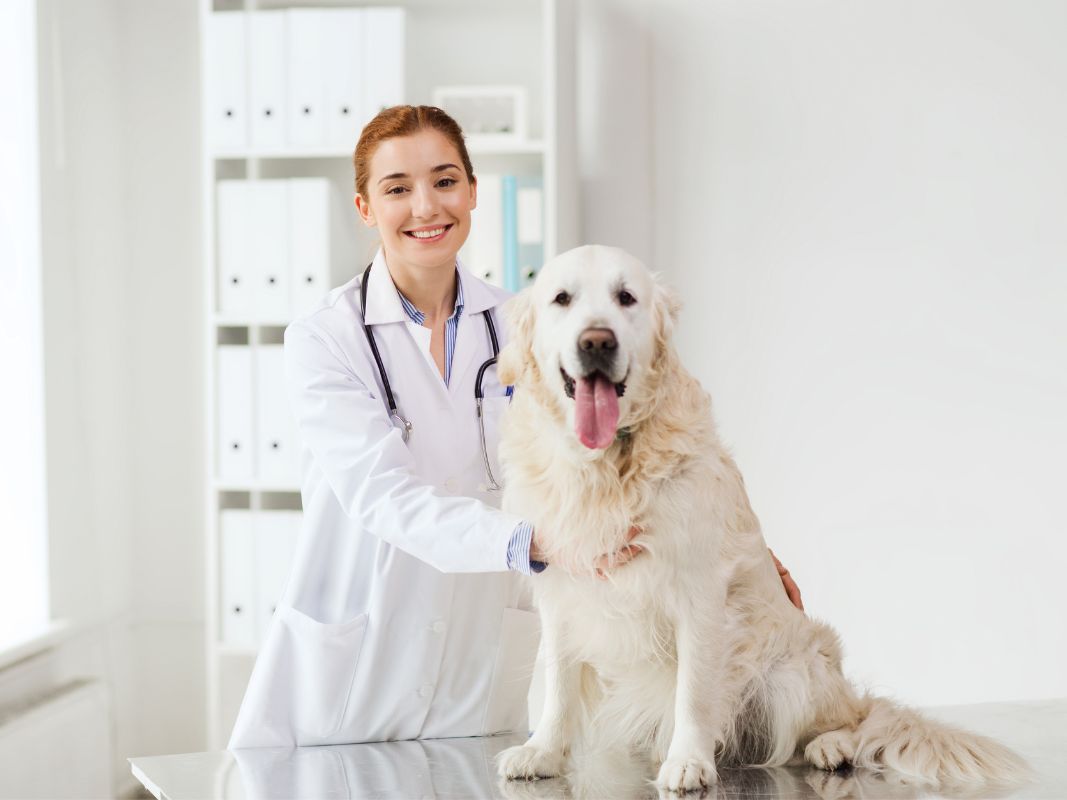
You might be feeling that quiet knot in your stomach every time your pet seems “off.” Maybe there was the late night cough you tried to ignore, the limp that came out of nowhere, or the nagging thought that you’re overdue for a checkup and need a veterinarian in Southern Pines, NC. You care deeply, you want to do the right thing, yet the world of vet clinics, emergency centers, and specialists can feel confusing and scattered.end
Because of this, you might be wondering if it would be easier and safer to have one trusted place that can handle almost everything your pet might need. That is exactly what a full service animal hospital is designed to provide.
In simple terms, a full service animal hospital is a one stop medical home for your pet. It offers wellness exams, vaccines, diagnostics, surgery, dental care, and often emergency care under one roof. The four big benefits are continuity of care, faster and more accurate diagnostics, better coordination during emergencies or surgeries, and long term cost control through prevention. When those pieces work together, you get fewer surprises, clearer plans, and a calmer mind.
Why does choosing one trusted animal hospital matter so much?
Think about how things feel when you do not have a go to veterinary team. You might visit one clinic for vaccines, another for dental work, and a third if something serious happens at night. Every time, you repeat your pet’s history. Every time, the doctor is starting from scratch, trying to put together a story they have not watched unfold.
That patchwork approach can lead to missed patterns, delayed diagnoses, and mixed advice. You may hear one opinion on allergies at one clinic, then another opinion somewhere else, and you are left in the middle trying to guess which path is right. It is stressful, and it can be risky for your pet.
A full service veterinary hospital changes that story. The same team sees your pet for routine wellness visits, follows them through illnesses, and already knows their quirks, fears, and normal behavior. Because of that, subtle changes stand out. A vet who has listened to your pet’s heart for years is more likely to notice a murmur early. A nurse who has seen your cat’s weight trend over time is quicker to see that slow, quiet weight loss that might suggest kidney disease or hyperthyroidism.
If you have ever wished that someone would just “own” the big picture of your pet’s health, that is the core promise of a full service hospital.
What problems does a full service animal hospital actually solve?
Consider a common scenario. Your older dog starts drinking more water and having accidents in the house. You try an urgent care clinic, where they suggest blood work and a urine test, but they send you to another location for imaging. By the time appointments line up, days or weeks have passed. You are worried, and your dog is no closer to a diagnosis.
Now imagine the same situation handled inside a full-service animal hospital. Your dog is seen for an exam, basic blood work and urine testing are done in-house, and if needed, an ultrasound is scheduled in the same building. The same doctor or team reviews the results together. You get a clearer answer, faster, without bouncing between clinics and repeating your story each time.
That kind of coordination does not just reduce your stress. It can directly affect your pet’s outcome. According to the American Veterinary Medical Association, regular wellness exams are one of the most effective ways to catch disease early, when treatment is more successful and often less expensive.
There is a financial side as well. When care is scattered, you can end up paying for duplicate tests or office visits. You might also delay important diagnostics because scheduling feels overwhelming. A full-service hospital cannot remove every cost, but it can reduce waste and help you plan better. One team can prioritize what truly needs to be done now and what can safely wait, based on a full picture of your pet’s health.
So, where does that leave you if you are still unsure?
It helps to look closely at the specific benefits of choosing a complete veterinary care center compared with piecing together services from multiple places.
How does a full-service animal hospital compare to piecemeal care?
To make the decision clearer, here is a simple comparison between using a full service animal hospital and relying on separate clinics for different needs. Every situation is unique, but the patterns below are common.
< td> In-house lab and imaging in one location, faster results
| Factor | Full Service Animal Hospital | Multiple Separate Clinics |
|---|---|---|
| Medical history | Centralized record with one team following long-term trends | Scattered records, higher chance of gaps or missing details |
| Diagnostics | May need referrals and travel, longer wait for answers | |
| Emergency or surgery | Same team can handle workup, procedure, and follow up | Different providers at each step, more room for miscommunication |
| Stress for your pet | Familiar staff and environment, less anxiety over time | New people and places often, higher stress for nervous pets |
| Cost over time | Better prevention planning, fewer duplicate tests | Risk of repeat exams and tests, harder to budget long term |
If you want a picture of how a modern, full-service companion animal hospital is organized, you can explore the structure and services of a major teaching facility such as the Cornell Companion Animal Hospital. Community hospitals will be smaller, but the idea of integrated care under one roof is similar.
What are the 4 key benefits you and your pet actually feel?
It is one thing to read about services on a brochure. It is another to understand how they change your day-to-day life with your pet. Here are the four benefits of choosing a full veterinary hospital that most owners feel most strongly.
1. One medical “home” and a team that truly knows your pet
When you use the same animal hospital for routine care, sick visits, and follow-ups, your pet’s story stays in one place. The staff learns that your cat hates loud noises, or that your dog does better if exams start on the floor. Over time, your pet often becomes less fearful, because the faces and voices are familiar.
For you, this means fewer long explanations every time something new comes up. You can say “He is drinking more than usual” and your vet already knows what “usual” looks like for your dog, because they have seen him for years.
2. Faster answers through in house diagnostics
Many full-service hospitals have their own lab equipment, X-ray machines, and often ultrasound. That means when your pet is sick, the team can often run blood work, take images, and start a treatment plan during the same visit. You spend less time worrying at home while waiting for outside results.
Early answers matter. For example, catching kidney disease or diabetes at a routine visit can add years of good quality life. Quick access to diagnostics is one of the biggest quiet benefits of using a full-service hospital instead of a basic vaccine clinic.
3. Smoother care during surgery or emergencies
Surgery, dental procedures, and emergencies are when you feel the most helpless. In those moments, it helps to know that the people caring for your pet already know their medical history, medications, and past reactions to anesthesia or stress.
In a full-service hospital, the same records and often the same doctors follow your pet from the first exam through pre op testing, anesthesia, surgery, and recovery. Questions are answered faster. Postoperative concerns are easier to address, because you are not trying to reach a new doctor who has never met your pet before.
4. Better prevention and clearer planning for the long run
Prevention is not just about yearly shots. It is about catching small changes before they become big problems, and designing a plan that fits your pet’s age, breed, and lifestyle. A full-service hospital can track patterns over years, recommend the right schedule of wellness exams, dental cleanings, and screening tests, and talk with you honestly about what to expect as your pet gets older.
This kind of long-term partnership can save both worry and money, because you are less likely to face sudden, avoidable crises. You also have a trusted place to ask the hard questions, from behavior issues to end-of-life planning, without starting over with a stranger.
What can you do right now to move toward safer, calmer pet care?
You do not need to change everything overnight. A few thoughtful steps can put you and your pet on a much steadier path.
1. Make a list of what you truly need from an animal hospital
Before you call anyone, write down what matters most to you. Do you need evening or weekend hours? Do you want in-house diagnostics? How far are you willing to travel in an emergency? Are you looking for help with specific issues like chronic allergies, senior care, or dentistry?
Having this list in front of you will make it easier to compare hospitals and to ask focused questions instead of feeling overwhelmed by options.
2. Schedule a wellness exam at a full-service animal hospital
Choose one hospital that seems like a good fit and schedule a routine checkup, even if your pet is not obviously sick. Use that visit to watch how the team handles your pet, how clearly they explain things, and how comfortable you feel asking questions.
Bring any previous records or vaccine history you have. Ask how they store and share records, what diagnostics they do on site, and how they handle after-hours concerns. This first visit can be the starting point of a long and reassuring relationship.
3. Create a simple “emergency plan” with that hospital
Once you have chosen a primary animal hospital, ask what you should do if something urgent happens. Do they see emergencies? If not, which emergency center do they recommend? Is there a number to call for advice after hours? Where should you go if your pet has trouble breathing, cannot stand, or is in sudden severe pain?
Write this down and keep it with your own important numbers. Having a basic plan before you need it can make a frightening moment feel far more manageable.
Moving forward with more confidence and less worry
Caring for an animal is one of the deepest responsibilities you can take on. It is normal to feel unsure, especially when something seems wrong and answers are not clear. Choosing a full-service animal hospital does not remove every risk, but it gives you a stable, familiar place to turn and a team that sees the whole picture of your pet’s life.
You deserve that kind of support, and so does your pet. Taking the step to find and commit to a trusted animal hospital today can mean fewer crises tomorrow, and more of what you really want. Quiet, everyday moments with a healthy companion by your side.