
How Implant Dentists Improve Long Term Oral Health
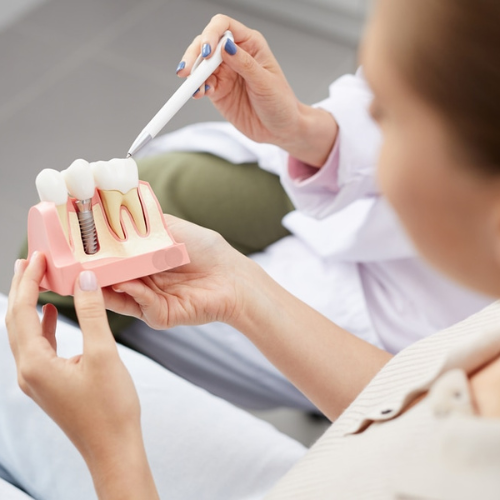
You might be feeling worn down by your teeth. Maybe you are tired of avoiding certain foods, hiding your smile in photos, or worrying that one more cracked tooth will mean another painful appointment. Talking with a dental implant specialist in Surprise, AZ could be a turning point. It often starts with one problem tooth, then another filling, then a lost crown, and before you know it you are wondering if anything in your mouth is truly stable anymore.end
That worry is not just about looks. It is about comfort, confidence, and the quiet fear that things will keep getting worse as you age. Because of this tension, you might wonder if dental implants are simply an expensive cosmetic fix or if they can genuinely protect your long term oral health.
In simple terms, an experienced oral surgeon and implant dentist can do more than replace missing teeth. The right plan can help preserve your jawbone, protect the teeth you still have, and make it easier to keep your mouth healthy for many years. You will see how implants work, what they can and cannot do, and how to decide if they fit your situation.
Why missing teeth quietly damage your long term oral health
When a tooth is lost, the problem is not only the gap you see when you smile. The root that once sat in your jawbone is gone, and that root used to stimulate the bone every time you chewed. Without that pressure, the bone begins to shrink. Over time your bite can collapse, your face can look more sunken, and neighboring teeth may tilt or loosen.
This is why many people notice that dentures that once fit start slipping. The jawbone has changed shape. It is also why some people who delay treatment for years are told they now need bone grafting before implants are possible. The longer the bone is left without a root or an implant, the more it tends to thin out.
The emotional side is just as real. You might catch yourself covering your mouth when you laugh, or skipping social events that involve eating. You may chew mostly on one side to avoid discomfort, which can strain your jaw joints and wear those teeth faster. All of this can make you feel older than you are.
So where does that leave you if you are missing one or more teeth and want a solution that lasts?
How implant dentists protect your mouth for the long run
Dental implants are small titanium posts that are placed into the jawbone where a tooth root used to be. According to the Mayo Clinic overview of dental implant surgery, the bone grows around the implant over time, creating a stable anchor for a crown, bridge, or denture.
When an oral surgeon and implant dentist plans your care carefully, the goal is not just to fill gaps. The goal is to create a stable, cleanable, and balanced bite that you can maintain. That is where the improvement in long term oral health comes in.
Here is how that plays out in real life.
Imagine you lost a lower molar a few years ago and chose to “wait and see.” Now the upper molar has grown down into the space. Food gets trapped, your gums feel sore, and the tooth in front has started to tilt. You could place a bridge, but that would require grinding down two neighboring teeth that are still mostly healthy.
A well planned implant can replace only the missing tooth. It supports the bite, helps keep the bone from shrinking in that area, and avoids sacrificing healthy enamel on the teeth next door. Over the next decade that choice may mean fewer root canals, fewer crowns, and a more stable bite.
The U.S. Food and Drug Administration notes that dental implants have high success rates when placed and cared for properly, although they are not risk free. An experienced implant dentist will walk you through both sides. That honest conversation is part of protecting your long term health, not just closing a sale.
Are implants really better for long term oral health than other options?
It is reasonable to ask whether long term dental implant treatment is truly better than a bridge or a removable denture. Every option has tradeoffs. The right choice depends on your health, your budget, and your tolerance for maintenance.
The table below gives a simple comparison for one missing tooth. It is not a substitute for a personal exam, but it can help you think more clearly about your options.
| Option | Impact on Neighboring Teeth | Bone Preservation | Typical Longevity | Daily Care |
|---|---|---|---|---|
| Single Dental Implant | No grinding of adjacent teeth | Helps maintain bone where implant is placed | Often 10+ years with good care | Brush and floss like a natural tooth, with extra attention to gumline |
| Traditional Dental Bridge | Requires reshaping two neighboring teeth | Bone under missing tooth continues to shrink | Often 7 to 10 years, sometimes longer | Special flossing under the bridge, careful cleaning around supports |
| Removable Partial Denture | Clasp pressure can wear supporting teeth over time | No stimulation of bone under missing tooth area | Often 5 to 7 years before needing adjustment or replacement | Remove to clean, may trap food and affect speech at first |
Research into modern dental materials is ongoing. The National Institute of Dental and Craniofacial Research highlights current work to improve how implant materials interact with bone and soft tissue, which may further support their long term success. You can see examples of that research on NIDCR’s dental materials page.
So, are implants always the answer? No. Some people have medical conditions, smoking habits, or bone loss that increase the risk of implant failure. Others may find a well made denture or bridge fits their needs and budget better. A thoughtful dental implant solution starts with an honest review of your health, your expectations, and what you are willing to do to care for the result.
Three practical steps you can take right now
1. Get a full-mouth assessment, not just a “tooth fix”
Ask an oral surgeon and implant dentist for a comprehensive exam that looks at your gums, bone levels, bite, and medical history. Request a conversation about how each missing or damaged tooth affects the others. When you understand the whole picture, it becomes much easier to see whether implants will genuinely support your long term oral health or whether another path makes more sense.
2. Ask specific questions about longevity and maintenance
During your consultation, ask how long the dentist expects the proposed treatment to last if you care for it properly. Also ask what daily care will look like. Will you need special brushes or floss threaders. How often will you need professional cleanings. What signs of trouble should you watch for. Clear answers here help you avoid surprise problems a few years down the line.
3. Weigh costs over 10 to 15 years, not just today
Implants often have a higher upfront cost than a bridge or a partial denture. However, they may need fewer replacements and fewer repairs over time. Ask the office to help you compare estimated costs over a decade. Include likely replacement timelines, possible bone grafting, and maintenance. This longer view can reveal that a stable implant dentistry treatment plan may be more predictable, both financially and medically, than repeated short term fixes.
Moving forward with more confidence
You do not have to keep living with uncertainty about your teeth. Understanding how implant dentists improve long term oral health gives you a clearer path. Whether you choose a single implant, an implant supported denture, or another option, the real goal is the same. You want to protect the teeth you still have, keep your jawbone as strong as possible, and feel safe chewing and smiling without fear.
The next step is simple. Schedule a thoughtful consultation with a trusted oral surgeon and implant dentist, bring your questions, and ask for a plan that respects both your health and your budget. You deserve a mouth that feels stable, comfortable, and truly yours for many years to come.