
Employment Verification Process: How Employers Confirm Work History with Confidence
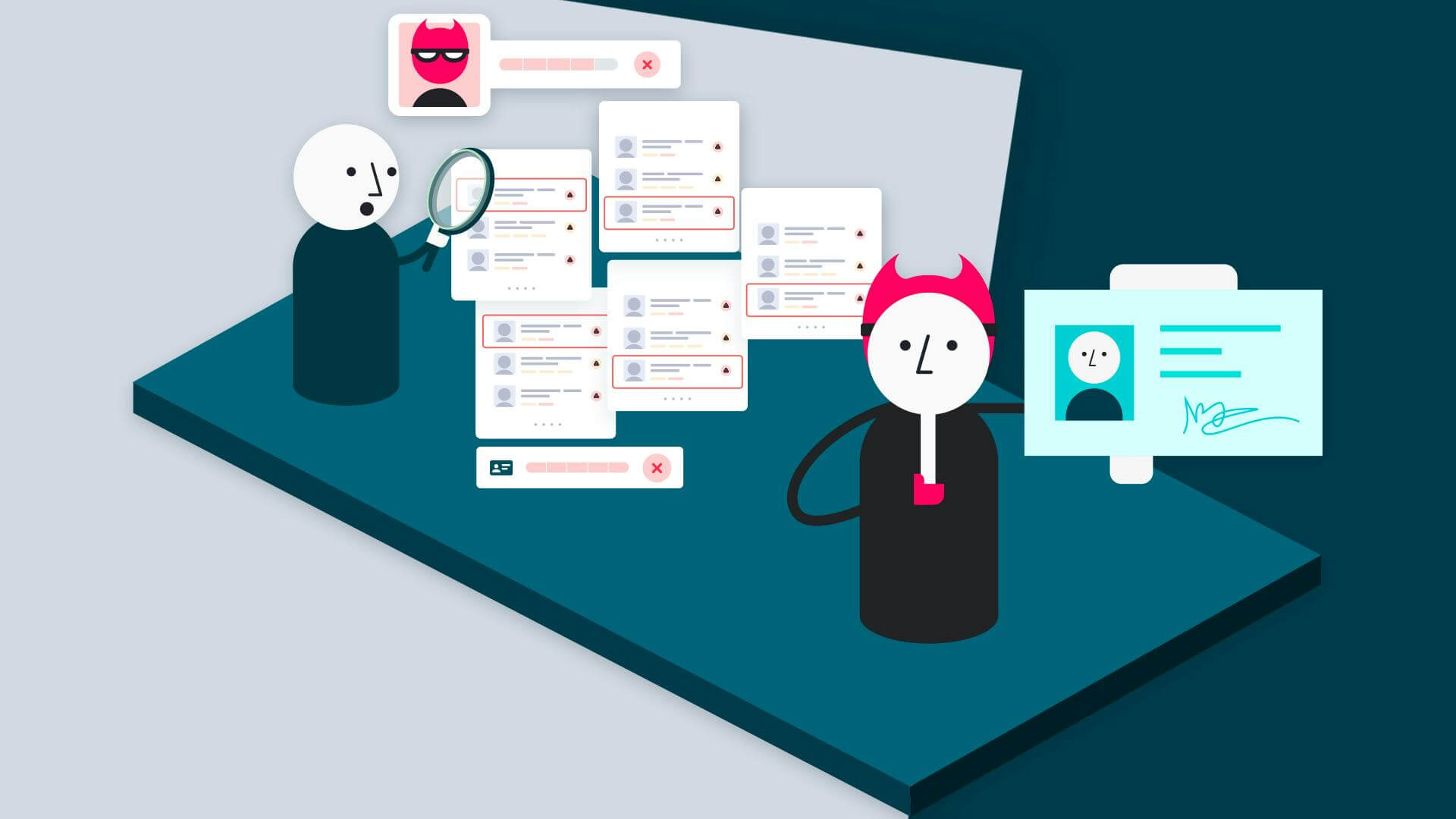
You can’t just interview and read resumes to hire the right person. Employers want proof that candidates are who they say they are. This is where employment verification process comes in. It aids companies in verifying facts before they hire.
A transparent process works in the favor of both employers and employees.
What the Employment Verification Process is?
The employment verification process is a means of verifying an individual’s past work experience. It verifies things like past employers, job titles, dates of employment, and occasionally salary information.
This process ensures accuracy. It also mitigates the risk of making a bad hire based on false or incomplete information.
Why Employment Verification Matters?
Hiring errors come at a cost. False statements regarding experience or employment gaps can result in a lackluster performance and, worse yet, potential legal concerns.
What the employment verification process does for employers:
- Confirm resume details
- Reduce hiring risks
- Maintain fair hiring standards
It also inspires confidence in the hiring process.
What Information is Usually Verified?
The typical verification is focused on the most basic facts of employment.
Common details checked include:
- Company name
- Job title
- Employment dates
- Work status (full-time or part-time)
Certain positions are subject for more in-depth checks if this is appropriate, such as where compliance or safety investigations apply.
How the Employment Verification Process Works?
- Step One: Candidate Consent
Employers are first required to obtain written permission. Privacy laws mean that signatures are needed before checks can get started.
- Step Two: Verification Request
The employer or a third party contacts the past employers and checks databases to verify.
- Step Three: Review of Results
The information received is then compared with what the candidate submitted.
Such a system maintains a structured employment verification process in place to have consistency and fairness.
Who Handles Employment Verification?
Many companies manage verification internally. Still others use third-party services to not only save time, but also hold their place in line.
Hiring an outside company to verify employment can help improve both accuracy and efficiency, particularly when in need of large quantities of hiring.
Common Challenges to Watch For
Former employers may be slow to respond or the records old. Inconsistence names can cause confusion.
Clear communication reduces these issues
Tips for Job Seekers
Applicants may take actions to help prevent the false verification of employment by:
- Keeping employment records accurate
- Informing references in advance
- Explaining gaps honestly
Preparation helps avoid delays.
Final Thoughts
Responsible hiring is created in part by the employment verification process. It protects truth, minimizes risk and promotes just decision making.
When done well, it’s a win-win for everyone and helps build trust in the workplace.