
Why Technology Plays A Key Role In Modern Dental Centers
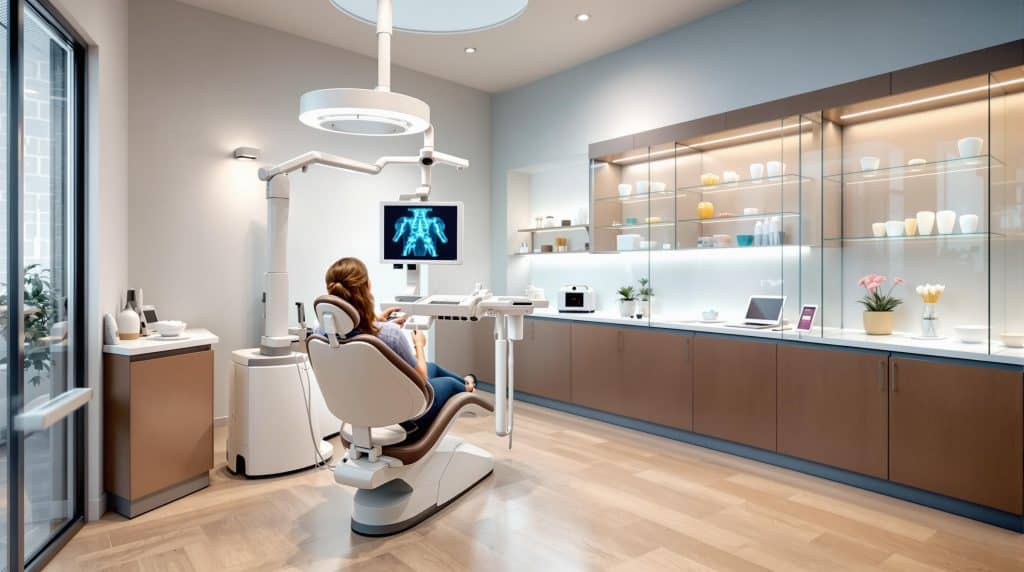
Modern dental centers rely on strong technology to protect your teeth, your time, and your comfort. You may not think about the tools behind the chair, yet they shape nearly every step of your visit. Digital X‑rays reduce radiation and give clear images in seconds. Intraoral cameras let you see what your dentist sees, so you understand each choice. Then 3D scanners and printers support precise crowns and snug aligners without messy impressions. These tools cut guesswork. They support early detection, steady planning, and faster healing. They also reduce pain and shorten visits. If you see a dentist in Englewood Cliffs, NJ, you likely already benefit from these advances, even if you never notice the devices. This blog explains how these technologies work together, how they affect your care, and what you should expect when you sit in a modern chair.
How Digital X‑Rays Change Your Visit
Traditional X‑rays used film and stronger radiation. Today, digital X‑rays use sensors that need less exposure and give instant results. The U.S. Food and Drug Administration explains that digital systems can cut radiation when used with care.
With digital X‑rays, you gain three clear benefits.
- Lower radiation exposure
- Faster images
- Sharper detail that shows early damage
Digital files also store well. They move quickly to specialists when needed. This supports quick decisions when you face pain or infection.
Seeing What Your Dentist Sees
Intraoral cameras are tiny cameras that fit in your mouth. They send clear pictures to a screen in the room. You no longer guess about a dark spot or a crack. You see it.
This simple change builds trust. You can ask better questions. You can weigh choices with less fear. Children often feel calmer when they watch the screen. It feels like a show, not a threat.
These cameras also help your dentist track changes over time. Small chips, stains, or gum changes appear side by side in past and current photos. That record supports early action before small issues turn severe.
3D Scanners And Same Day Crowns
Old impressions used trays filled with thick putty. Many people gagged. The process took time and required repeat visits.
Now many centers use optical 3D scanners. A wand moves around your teeth and creates a digital model. Then a milling unit or 3D printer shapes a crown or bridge from that model.
You gain three strong outcomes.
- No messy impressions
- Fewer visits and less time off work or school
- More accurate fit and smoother bite
Better fit protects teeth that sit near a crown. It also reduces the risk of trapped food and decay at the edges.
Comparing Traditional And Digital Dental Tools
| Type of Tool | Traditional Method | Modern Technology | Key Benefit For You |
|---|---|---|---|
| X‑rays | Film, higher radiation, slow results | Digital sensors, lower exposure, instant images | Safer imaging and faster answers |
| Impressions | Putty trays, gag risk, long wait | 3D scanner with digital model | More comfort and fewer visits |
| Crowns | Lab made, many visits | Chairside design and milling | Same day repair in many cases |
| Tooth checks | Mirror and probe only | Intraoral camera with screen images | Clear understanding and shared choices |
| Record storage | Paper charts and film folders | Electronic files and images | Quick sharing and stronger tracking |
Better Screening For Cavities And Gum Disease
Modern centers use tools that find trouble early. Some devices measure soft spots in enamel before a full cavity forms. Others use light to show changes that a simple exam might miss.
For gum health, digital probes and imaging show bone loss and pocket depth with more precision. The National Institute of Dental and Craniofacial Research explains that early gum care prevents tooth loss and pain. Technology makes this early step easier.
When your dentist spots problems early, treatment stays smaller. That means fewer shots, less drilling, and lower cost.
Comfort For Children And Older Adults
Technology supports people at every age. Children often fear strange sounds and long visits. Quiet devices and quick scans reduce that stress. Pictures on a screen also help teach brushing and flossing in a clear way.
Older adults may have joint pain, dry mouth, or past trauma. Shorter visits and fewer repeat shots reduce strain. Clear digital plans support safe care around implants, bridges, and other work that you already have.
Safety, Cleanliness, and Infection Control
Modern devices support strict safety. Many tools use single-use parts. Others withstand strong cleaning cycles. Digital records also reduce paper and clutter in treatment rooms.
Clear digital plans guide safer surgery and implant placement. Accurate imaging helps your dentist avoid nerves and sinuses. That reduces the risk of complications and repeat work.
How Technology Shapes Your Treatment Plan
All these tools work together. Your dentist can pull up X‑rays, photos, and scan data in one view. This full picture supports a plan that fits your mouth, your health, and your goals.
You can expect three main steps.
- Assessment with images and scans
- Discussion with screen views and clear options
- Treatment that matches what you saw and agreed to
This process cuts confusion. It also supports second opinions when you want them. You can send your records without new exposure or repeat scans in many cases.
What To Ask At Your Next Visit
You do not need to know every device name. Yet a few simple questions can protect your health.
- What type of X‑rays do you use and how do you limit exposure
- Can I see pictures of my teeth and gums on a screen
- Do you use digital scans for crowns or aligners
- How do you store and share my dental records
Clear answers show respect and care. They also show how well a center uses modern tools for your benefit.
Taking The Next Step With Confidence
Technology in dental centers exists for one purpose. It protects your health while saving time and easing fear. When you know what to expect, you can walk into your next visit with more control and less worry. Your questions matter. Your comfort matters. Modern tools give your dentist stronger ways to honor both.